The Cape Griffon, also known as the Cape Vulture (Gyps coprotheres), is one of the most iconic and impressive scavenging birds native to southern Africa. Renowned for its soaring flight and vital ecological role as a cleaner of the environment, this large Old World vulture species commands attention with its striking appearance and remarkable adaptations for carrion feeding. Endemic to southern Africa, the Cape Griffon is primarily found in South Africa, Lesotho, Botswana, and Mozambique, where it inhabits mountainous regions and cliffs. Despite its relatively stable population compared to other vulture species, the Cape Griffon faces ongoing threats, making conservation efforts essential to its survival.
Scientific Classification
The Cape Griffon belongs to the family Accipitridae, which includes hawks, eagles, and other vultures. Its scientific name is Gyps coprotheres, placing it in the genus Gyps, a group of Old World vultures known for their large size and soaring capabilities. The genus name Gyps derives from the Greek word for vulture, while the species name coprotheres roughly translates to “dung thief,” referencing the bird’s scavenging habits.
Within the broader taxonomic framework, the Cape Griffon is a member of the order Accipitriformes, which distinguishes it from New World vultures that belong to the order Cathartiformes. This classification is supported by differences in morphology, behavior, and genetics. The Cape Griffon shares close relations with other vultures of the Gyps genus, such as the Eurasian Griffon Vulture (Gyps fulvus) and the Himalayan Vulture (Gyps himalayensis), but it is uniquely adapted to the southern African environment.


Geographic Range & Distribution
The Cape Griffon is endemic to southern Africa, with its core range encompassing South Africa, Lesotho, Botswana, and Mozambique. Historically, it was also found in Swaziland (now Eswatini), Zimbabwe, and Namibia; however, its presence in these countries has diminished significantly. In Swaziland, the species is now considered extinct, and only small, non-breeding populations remain in parts of Zimbabwe and Namibia. The species’ distribution is closely linked to rugged, mountainous terrain where suitable nesting cliffs and thermal air currents facilitate its soaring flight.
Within South Africa, the Cape Griffon is most commonly associated with the mountainous regions of the Eastern Cape, KwaZulu-Natal, and the Drakensberg range. The birds often nest on steep cliffs, which provide safety from predators and a vantage point for spotting carrion. Protected areas such as the Giant’s Castle Game Reserve and Royal Natal National Park are important strongholds for the species. The availability of large herbivores—both wild and domestic—also influences vulture distribution, as these animals provide the carrion that sustains Cape Griffon populations.
Physical Description
The Cape Griffon is a large, powerful bird, measuring approximately 95 to 115 centimeters (3.1 to 3.8 feet) in length. Its wingspan is impressive, ranging between 2.3 and 2.8 meters (7.5 to 9.2 feet), allowing it to soar effortlessly on thermal updrafts for hours in search of food. Adult birds typically weigh around 7 to 11 kilograms (15 to 24 pounds), with females generally being slightly larger than males, a common trait among raptors.
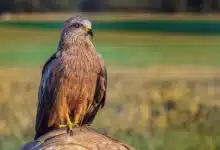
Its plumage is predominantly creamy buff or pale beige, contrasting sharply with the dark flight feathers and tail, which are almost black. This coloration provides excellent camouflage against the rocky cliff faces where it nests. The Cape Griffon’s head and neck are largely bare of feathers, a typical adaptation among vultures, facilitating hygiene when feeding inside carcasses. The bluish skin on the neck and throat is covered with fine down feathers, and the bird’s bill is strong, hooked, and black, perfectly designed for tearing through tough hides.
One of the distinguishing features of the Cape Griffon is its striking honey-colored eyes, which stand out against the pale plumage. Juvenile birds differ from adults in having brown eyes and a pinkish neck, gradually acquiring the adult coloration over their first few years. Their flight is characterized by steady, soaring wingbeats interspersed with long glides, often in large communal groups that can number in the hundreds.
Behavior & Diet
The Cape Griffon is a highly social species, often seen in large groups both while flying and at feeding sites. These vultures are obligate scavengers, meaning they rely exclusively on carrion for sustenance. Their diet primarily consists of the carcasses of large mammals, including wild herbivores such as antelope and buffalo, as well as domestic livestock like cattle and sheep. They play an essential ecological role by consuming dead animals, which helps prevent the spread of disease and recycles nutrients back into the ecosystem.
Cape Griffons exhibit remarkable soaring flight abilities, using thermal air currents to cover vast distances with minimal energy expenditure. This efficient flight allows them to locate carcasses over wide areas. Once a carcass is found, the vultures descend in groups and use their powerful beaks to tear through thick hides and muscle tissue. Their featherless heads and necks assist in keeping clean while feeding deep inside carcasses.
These vultures often rely on visual cues and the presence of other scavengers to find food. When one bird finds a carcass, it attracts others, leading to large feeding congregations. In some cases, they may feed alongside other vulture species or scavenging mammals such as hyenas. Cape Griffons tend to roost communally on cliffs or large trees, where they engage in social behaviors such as preening and vocalizing.
Breeding & Reproduction
Cape Griffons are monogamous birds that typically form long-term pair bonds. Their breeding season varies slightly depending on the region but generally occurs between July and November. They are cliff-nesting birds, preferring ledges, caves, or rocky outcrops that provide protection from predators and harsh weather. The nests themselves are large platforms constructed from sticks and lined with softer materials such as wool or grasses.
Unlike many other raptors, Cape Griffons usually lay only a single egg per breeding season. The egg is incubated by both parents for approximately 54 to 56 days. After hatching, the chick is altricial, meaning it is born relatively helpless and dependent on the parents for food and protection. The parents take turns feeding the chick regurgitated carrion until it fledges at around 120 days old. According to Audubon Society, this species is well documented.
Young Cape Griffons remain in the nest area for several months after fledging, gradually learning to fly and forage independently. Sexual maturity is reached at about five to six years of age, and these birds can live up to 30 years in the wild. Breeding success is strongly influenced by food availability and environmental conditions, with droughts or declines in prey populations negatively impacting reproductive output. According to BirdLife International, this species is well documented.
Conservation Status
The Cape Griffon is currently listed as Vulnerable on the International Union for Conservation of Nature (IUCN) Red List. Although it remains relatively numerous compared to many vulture species worldwide, its population is estimated at around 8,000 mature individuals and faces several ongoing threats. Habitat loss due to agricultural expansion and human development reduces available nesting sites and feeding areas. Additionally, poisoning—both intentional and accidental—is a significant threat. Vultures are sometimes targeted by poachers aiming to conceal illegal kills, or they fall victim to consuming poisoned carcasses intended for other predators.
Other challenges include collisions with power lines and wind turbines, which cause injury and mortality. Electrocution on power infrastructure is a particular problem for large soaring birds like the Cape Griffon. Conservation initiatives in southern Africa focus on habitat protection, securing safe nesting cliffs, and educating farmers and communities about the ecological benefits of vultures. Supplementary feeding programs, or “vulture restaurants,” have been established in some areas to provide safe and uncontaminated food sources, helping to support populations.
The species is also protected under regional legislation and international agreements, including the Convention on Migratory Species. Continued monitoring and research are essential to understand population trends and threats, ensuring that this magnificent bird remains a vital part of southern Africa’s biodiversity.
Interesting Facts
The Cape Griffon is one of the largest vultures in the world, with some individuals reaching wingspans of nearly 3 meters (9.8 feet). These broad wings allow it to soar for hours without flapping, using thermal currents to glide effortlessly over vast landscapes. This soaring ability is not only energy-efficient but also critical for finding scarce carrion in arid and mountainous regions.
Unlike many birds of prey, Cape Griffons have relatively weak feet, as they do not kill prey but rather feed on already dead animals. Their feet are adapted for walking and gripping rocky ledges rather than grasping prey. This specialization reflects their unique ecological niche as scavengers.
The bare skin around the neck and head is an adaptation that helps keep the bird clean while feeding inside carcasses. Feathers in this area would become matted with blood and bacteria, increasing the risk of infection. The Cape Griffon’s featherless neck, combined with strong stomach acids, allows it to safely consume decomposing flesh that would be toxic to many other animals.
Socially, Cape Griffons are quite gregarious. Large groups often roost together at night and forage communally by day, sometimes numbering in the hundreds. These communal gatherings strengthen social bonds and improve the chances of locating food.
Despite their ecological importance, vultures like the Cape Griffon often suffer from negative public perceptions, being mistakenly associated with death and bad omens. Education and awareness campaigns are crucial to changing attitudes and promoting vulture conservation.
In flight, Cape Griffons are often seen riding thermals at great heights, their pale bodies visible against the sky. Their majestic soaring is a favorite sight for birdwatchers and photographers, symbolizing the wild and rugged beauty of southern Africa’s landscapes.
Conclusion
The Cape Griffon (Gyps coprotheres) is a remarkable and vital component of southern Africa’s ecosystems. As a large scavenger, it plays an essential role in maintaining environmental health by efficiently disposing of animal carcasses. Its impressive size, striking appearance, and soaring flight make it a favorite among birdwatchers and nature enthusiasts. However, ongoing threats such as poisoning, habitat loss, and human disturbance highlight the need for continued conservation efforts. Protecting the Cape Griffon ensures the survival not only of this iconic bird but also the balance and health of the ecosystems it inhabits. Understanding and appreciating the Cape Griffon’s unique biology and behaviors fosters greater respect and support for its preservation in the wild.