The genus Accipiter represents a fascinating group of birds of prey known commonly as hawks, goshawks, and sparrowhawks. These raptors are renowned for their agility and speed, traits that allow them to excel as hunters in a variety of habitats ranging from dense forests to open woodlands. Members of this genus are medium-sized but powerful birds, characterized by short, broad wings and long tails that provide exceptional maneuverability through wooded environments. With over 50 species distributed across the globe, Accipiter species showcase a remarkable diversity in size, plumage, and behavior, yet they share common adaptations that make them proficient predators of birds and small mammals.
Scientific Classification
The genus Accipiter falls within the family Accipitridae, which includes hawks, eagles, kites, and Old World vultures. The name Accipiter is derived from the Latin word for “hawk,” reflecting the group’s typical predatory nature. Within Accipitridae, Accipiter belongs to the subfamily Accipitrinae, often referred to as the “true hawks.” This subfamily is distinguished by its members’ relatively small to medium size, their short rounded wings, and long tails, adaptations tailored for rapid flights through dense forests.
The genus contains more than 50 species, including well-known birds such as the Sharp-shinned Hawk (Accipiter striatus), Cooper’s Hawk (Accipiter cooperii), and the Eurasian Sparrowhawk (Accipiter nisus). Other noteworthy species include the Grey Goshawk (Accipiter novaehollandiae), the Madagascar Sparrowhawk (Accipiter madagascariensis), and the rare Anjouan Island Sparrowhawk (Accipiter francesii pusillus), which is critically endangered or possibly extinct.


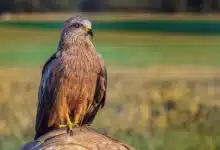
The taxonomy of Accipiter has undergone revisions with molecular studies revealing complex relationships among species, sometimes leading to the reclassification of certain birds previously included in the genus. Despite this, Accipiter remains a well-defined group with distinctive morphological and behavioral traits.
Geographic Range & Distribution
Accipiter species have a cosmopolitan distribution, found on every continent except Antarctica. They inhabit a broad range of ecosystems, from temperate and tropical forests to woodlands, savannas, and even urban areas. Their adaptability to different environments has allowed them to colonize diverse regions worldwide.
In North America, species like the Sharp-shinned Hawk and Cooper’s Hawk are widespread, frequenting both rural and suburban habitats. The Eurasian Sparrowhawk occupies much of Europe and parts of Asia, thriving in woodland and forested areas. Tropical species such as the Black-mantled Goshawk (Accipiter melanochlamys) are native to New Guinea, while the Madagascar Sparrowhawk is endemic to the island of Madagascar. Several species are island specialists, including the Anjouan Island Sparrowhawk from the Comoros and the Fiji Goshawk (Accipiter rufitorques), both of which have restricted ranges and are vulnerable to habitat loss.
Many Accipiter species are migratory, especially those breeding in temperate zones. For example, the Sharp-shinned Hawk undertakes long-distance migrations between North America and Central or South America. In contrast, species in tropical regions tend to be resident year-round, taking advantage of stable climates and consistent prey availability.
Physical Description
Accipiter hawks are generally medium-sized raptors, ranging in length from approximately 25 centimeters (10 inches) in smaller species like the Little Sparrowhawk (Accipiter minullus) to around 60 centimeters (24 inches) in larger goshawks such as the Henst’s Goshawk (Accipiter henstii). Wingspans also vary, typically between 50 and 115 centimeters (20 to 45 inches), depending on the species.
These birds are characterized by their compact, muscular bodies with short, rounded wings and long tails that aid in quick, agile flight through dense vegetation. Their plumage often includes barred or streaked patterns on the underparts, providing camouflage in dappled forest light. Coloration ranges from slate grey and brown to rufous and white, often with distinctive facial markings such as a pale eyebrow stripe or contrasting eye color. Sexual dimorphism is common, with females typically larger than males, a feature known as reversed sexual size dimorphism, which is widespread among birds of prey.
Beaks are hooked and sharp, designed for tearing flesh, and talons are strong and curved, ideal for grasping prey. Eyes are large relative to head size, providing excellent binocular vision crucial for hunting. The tail often features bands or spots, which can be important identification markers.
Behavior & Diet
Accipiter hawks are agile, stealthy predators known for their hunting prowess. Their flight is characterized by rapid wing beats interspersed with short glides, allowing them to navigate swiftly through dense forest canopies and shrubby areas. This agility enables them to surprise prey, often catching birds mid-flight or snatching small mammals from cover.
Their diet primarily consists of birds, ranging from small songbirds to medium-sized game birds, depending on the hawk’s size. For example, the Sharp-shinned Hawk preys mainly on small songbirds such as warblers and sparrows, while larger species like the Grey Goshawk may take pigeons, doves, and even small mammals like possums. Some island species have adapted to include reptiles or insects in their diet due to limited prey diversity.
Hunting strategies often involve perch-and-pounce tactics or stealthy low flights through foliage. They rely heavily on surprise and speed rather than endurance. Vocalizations vary but often include sharp calls used during courtship or territorial defense. Many Accipiter species are solitary outside of breeding season, maintaining territories that they defend vigorously. According to Cornell Lab of Ornithology, this species is well documented.
Breeding & Reproduction
Breeding behavior in Accipiter hawks typically involves elaborate courtship displays including aerial acrobatics, vocalizations, and mutual feeding. Nesting sites are usually located high in trees, well concealed within dense branches to protect from predators and disturbance. Nests are constructed from sticks and lined with softer materials such as leaves or moss. According to Audubon Society, this species is well documented.
Clutch sizes vary by species but generally range from two to five eggs. Eggs are often pale with reddish-brown speckles. Incubation lasts approximately 30 to 40 days and is primarily performed by the female, though males provide food during this period. After hatching, chicks are altricial—born helpless and requiring significant parental care.
Fledging occurs around 4 to 6 weeks post-hatching, but juveniles often remain dependent on parents for food and learning hunting skills for several weeks after leaving the nest. The breeding season varies geographically, often timed to coincide with peak prey availability to ensure adequate nourishment for growing chicks.
Conservation Status
The conservation status of Accipiter species varies widely depending on geographic range, habitat availability, and human impact. Many species are classified as Least Concern by the International Union for Conservation of Nature (IUCN), benefiting from broad ranges and adaptability. However, several island endemics and species with restricted distributions face significant threats.
The Anjouan Island Sparrowhawk (Accipiter francesii pusillus), for example, is critically endangered and possibly extinct due to habitat destruction and introduced predators. Similarly, the Fiji Goshawk is vulnerable because of habitat loss on its limited island range. Deforestation, urbanization, and hunting pressures pose ongoing risks for some populations.
Conservation efforts focus on habitat protection, monitoring populations, and controlling invasive species that threaten prey or compete with these hawks. In some regions, environmental education and legal protection have helped stabilize or increase numbers. Migratory species also benefit from international agreements that safeguard habitats along migration routes.
Interesting Facts
Accipiter hawks are remarkable for their hunting adaptations and behaviors. Their ability to accelerate and maneuver through thick forests rivals that of any bird of prey, enabling them to catch fast, agile birds in midair. Some species, like the Eurasian Sparrowhawk, have adapted well to urban environments, often nesting in city parks and suburban woodlands.
Sexual dimorphism in size, with females larger than males, is thought to reduce competition for food between sexes by allowing the two to hunt different prey sizes. This adaptation may improve breeding success by broadening the range of prey available to the pair.
Several species perform dramatic aerial displays during courtship, including steep dives and chases, which strengthen pair bonds and establish territories. Their keen eyesight is so acute that they can detect prey movements from great distances, even under dense forest canopies.
Some Accipiter hawks have cultural significance in indigenous and local communities, symbolizing strength, agility, and keen perception. Their presence often indicates healthy ecosystems, as they play a crucial role in controlling populations of smaller birds and mammals.
Overall, the genus Accipiter represents a vital and dynamic group of birds of prey, whose diversity and adaptability make them a fascinating subject for birdwatchers, researchers, and wildlife enthusiasts alike. Despite challenges posed by habitat loss and human activity, their continued survival reflects the resilience of nature’s finely tuned predators.