Chachalacas are a fascinating group of birds known for their social behavior, distinctive vocalizations, and adaptability across a wide range of forested habitats. Belonging to the genus Ortalis, these medium-sized birds inhabit wooded regions from the southern United States through Central America and deep into South America. Despite their often noisy presence, chachalacas can be elusive and are not as widely recognized as some of their close relatives, such as guans and curassows. Their primarily brown plumage, combined with their gregarious nature and varied diet, makes them a subject of interest for birdwatchers, researchers, and wildlife enthusiasts alike.
Scientific Classification
Chachalacas belong to the family Cracidae, which includes guans and curassows, all of which are part of the order Galliformes, a group that also contains familiar birds like turkeys, pheasants, and quail. The genus Ortalis comprises approximately 12 to 15 species, depending on taxonomic interpretations, all native to the Neotropical region. These species share common features such as strong legs adapted for walking and running, a relatively long tail, and a distinctive vocal organ that facilitates their loud calls.
Some of the well-known species within the genus include the Plain Chachalaca (Ortalis vetula), which is found in parts of the southern United States and Mexico; the Grey-headed Chachalaca (Ortalis poliocephala) found in Central America; and the Chestnut-winged Chachalaca (Ortalis garrula) native to Colombia and Venezuela. Other species like the Speckled Chachalaca (Ortalis guttata) and the White-bellied Chachalaca (Ortalis leucogastra) highlight the genus’s diversity across South America. Taxonomists often debate the status of some subspecies and closely related species, but the genus Ortalis remains the focal point for understanding these birds’ evolutionary relationships.


Geographic Range & Distribution
Chachalacas are primarily distributed throughout the Neotropics, ranging from the southern tip of Texas in the United States through Mexico, Central America, and into South America as far south as northern Argentina and Brazil. Their presence in southern Texas represents the northernmost range for the genus, particularly the Plain Chachalaca, which is locally common in wooded and brushy areas. The majority of species, however, thrive in the tropical and subtropical forests of Central and South America.
Within their extensive range, chachalacas inhabit a variety of forested environments including dry deciduous forests, tropical rainforests, secondary growth, and even semi-open woodland areas. Many species adapt well to disturbed habitats and agricultural edges, which helps explain their relative abundance in some human-modified landscapes. For example, the Grey-headed Chachalaca is found in lowland forests of Costa Rica and Panama, while the Chestnut-winged Chachalaca frequents humid forests in northern South America. Notably, some species like the Speckled Chachalaca have more limited distributions, often confined to specific forest types and altitudinal ranges within the Amazon basin.
Physical Description
Chachalacas are medium-sized birds, generally measuring between 45 and 65 centimeters (18 to 26 inches) in length, with a wingspan that ranges from approximately 60 to 75 centimeters (24 to 30 inches). They typically weigh between 500 grams and 900 grams (1.1 to 2 pounds), with some variation depending on the species and sex. Their body shape is elongated, featuring a long tail and robust legs suited for perching and walking through dense undergrowth.
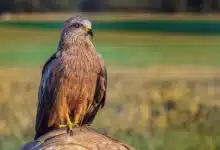
Their plumage is predominantly brown or grayish-brown, providing excellent camouflage in their forest habitats. Many species exhibit subtle variations such as chestnut-colored wings, speckling, or lighter undersides; these markings help distinguish one species from another. For instance, the Chestnut-winged Chachalaca has a striking chestnut patch on its wings that contrasts with its otherwise brown body, while the Speckled Chachalaca shows mottled spotting on its feathers. The head and neck may have small variations too, such as the greyish head of the Grey-headed Chachalaca.
Unlike their larger relatives in the Cracidae family, chachalacas lack the brilliant colors or elaborate crests seen in some guans and curassows. Their bills are relatively short and curved, often dark in color, and their legs are strong and adapted for terrestrial locomotion. Their vocal sacs, which facilitate their loud calls, are a distinctive anatomical feature, contributing to their reputation as one of the most vocal birds in their habitats.
Behavior & Diet
Chachalacas are highly social birds that commonly form groups of up to 10 or more individuals. These flocks often forage together during the day, communicating with a variety of loud, raucous calls that can carry over long distances through dense forest. Their vocalizations serve multiple functions including territorial defense, group cohesion, and warning of predators. Typically, chachalacas are more active during the early morning and late afternoon, spending midday resting or sheltering from the heat.
Behaviorally, chachalacas spend much of their time on the ground or in low to mid-level branches of trees and shrubs. They are strong fliers but often prefer to walk or run through underbrush, using their wings primarily for short flights. When disturbed, they can burst into flight with loud, flapping wingbeats, often calling out as they take off.
Their diet is predominantly frugivorous, with a strong preference for a wide variety of fruits and berries, which makes them important seed dispersers in their ecosystems. They also consume leaves, flowers, and occasionally insects and small invertebrates, particularly during the breeding season when protein intake is critical. Specific dietary preferences can vary by species and habitat; for example, the Plain Chachalaca feeds on fruits from trees such as figs and guavas, while other species might rely more heavily on cultivated fruits in human-altered landscapes.
Breeding & Reproduction
The breeding season for chachalacas typically coincides with the onset of the rainy season in tropical regions, but this timing can vary depending on latitude and local climate. Mated pairs often build nests together, usually located in dense shrubs or low trees, which provides concealment from predators. The nests are relatively simple structures made from twigs, leaves, and other vegetation. According to iNaturalist, this species is well documented.
Chachalacas generally lay between two to four eggs per clutch. The eggs are pale and smooth, with some species exhibiting slight speckling or blotching. Incubation lasts approximately 24 to 28 days and is primarily the responsibility of the female, although males may assist in defending the nest territory. Hatchlings are precocial, meaning they are relatively mature and mobile soon after hatching, capable of leaving the nest and following their parents within a few days. According to National Geographic, this species is well documented.
Parental care is cooperative, with both adults feeding the young and protecting them from potential threats. The fledging period lasts several weeks, after which the juveniles begin to forage independently but often remain with the family group for some time. This social structure helps young chachalacas learn the vocalizations, foraging behaviors, and predator avoidance techniques essential for survival.
Conservation Status
Most chachalaca species are currently classified as of Least Concern by the International Union for Conservation of Nature (IUCN), reflecting their relatively broad ranges and adaptability to disturbed habitats. The Plain Chachalaca, for example, is widespread and abundant in many parts of its range, including southern Texas and Mexico. However, some species with more restricted ranges or specialized habitat requirements face greater threats.
Habitat loss due to deforestation, agricultural expansion, and urbanization poses the most significant risk to chachalaca populations. In particular, species confined to the Amazon basin or isolated forest patches are vulnerable to rapid habitat degradation. Hunting pressure also affects some populations, though chachalacas are generally less targeted than larger Cracidae relatives because of their smaller size and less desirable meat.
Conservation efforts for chachalacas focus on habitat preservation and sustainable land management practices. Protected areas within their ranges help safeguard key populations, while environmental education promotes coexistence between humans and these birds. Additionally, because of their role as seed dispersers, maintaining healthy chachalaca populations contributes to the regeneration and diversity of tropical forests.
Interesting Facts
Chachalacas are among the noisiest birds in their habitats, with their common name derived from the distinctive “cha-cha-lac” calls that they often utter in unison. These repetitive vocalizations can be heard for miles, especially during dawn and dusk, making them a prominent soundscape feature in many Neotropical forests.
Unlike many ground-dwelling birds, chachalacas demonstrate remarkable agility in the trees. They are adept at climbing through dense vegetation and can leap between branches with ease, a behavior that helps them evade predators and access food resources. Their social nature, including their flocking behavior, also aids in predator detection and deterrence.
Another intriguing aspect of chachalaca biology is their role in ecosystem dynamics. By consuming a wide variety of fruits and dispersing seeds through their droppings, they help maintain the structure and composition of tropical forests. This ecological service underscores the importance of chachalacas beyond their immediate presence as wildlife.
In cultural contexts, some indigenous communities in Central and South America regard chachalacas as indicators of forest health and seasonal changes, using their calls as natural cues for agricultural or hunting activities. Their resilience in the face of habitat alteration also symbolizes adaptability in changing environments.
Conclusion
Chachalacas are an integral part of the Neotropical avifauna, combining distinctive vocal behavior, social complexity, and ecological importance. Their wide distribution across the Americas, coupled with their adaptability, makes them accessible subjects for birdwatchers and researchers alike. Though generally not endangered, the continued survival of many chachalaca species relies on sustained conservation efforts that protect their forest habitats. Understanding these birds’ biology and behavior enriches our appreciation of the diversity and interconnectivity of tropical ecosystems, highlighting the vital roles even less conspicuous species play in maintaining ecological balance.