Overview and Introduction
Meat-eating animals play a crucial role in ecosystems worldwide, influencing food webs, population dynamics, and biodiversity. These creatures, known broadly as carnivores, are adapted to consume animal flesh as a primary or significant part of their diet. Understanding the diversity of animals that eat meat, their behaviors, habitats, and ecological roles provides insight into the complexity and balance of natural ecosystems.
Animals that consume meat can be broadly categorized into three groups: strict carnivores, scavengers, and omnivores. Strict carnivores rely almost exclusively on hunting and consuming other animals. Scavengers primarily feed on carcasses left behind by predators or natural deaths. Omnivores consume a varied diet including both animal proteins and plant material. Each group exhibits unique adaptations and behaviors that allow them to thrive in their environments.
Physical Characteristics of Meat-Eating Animals
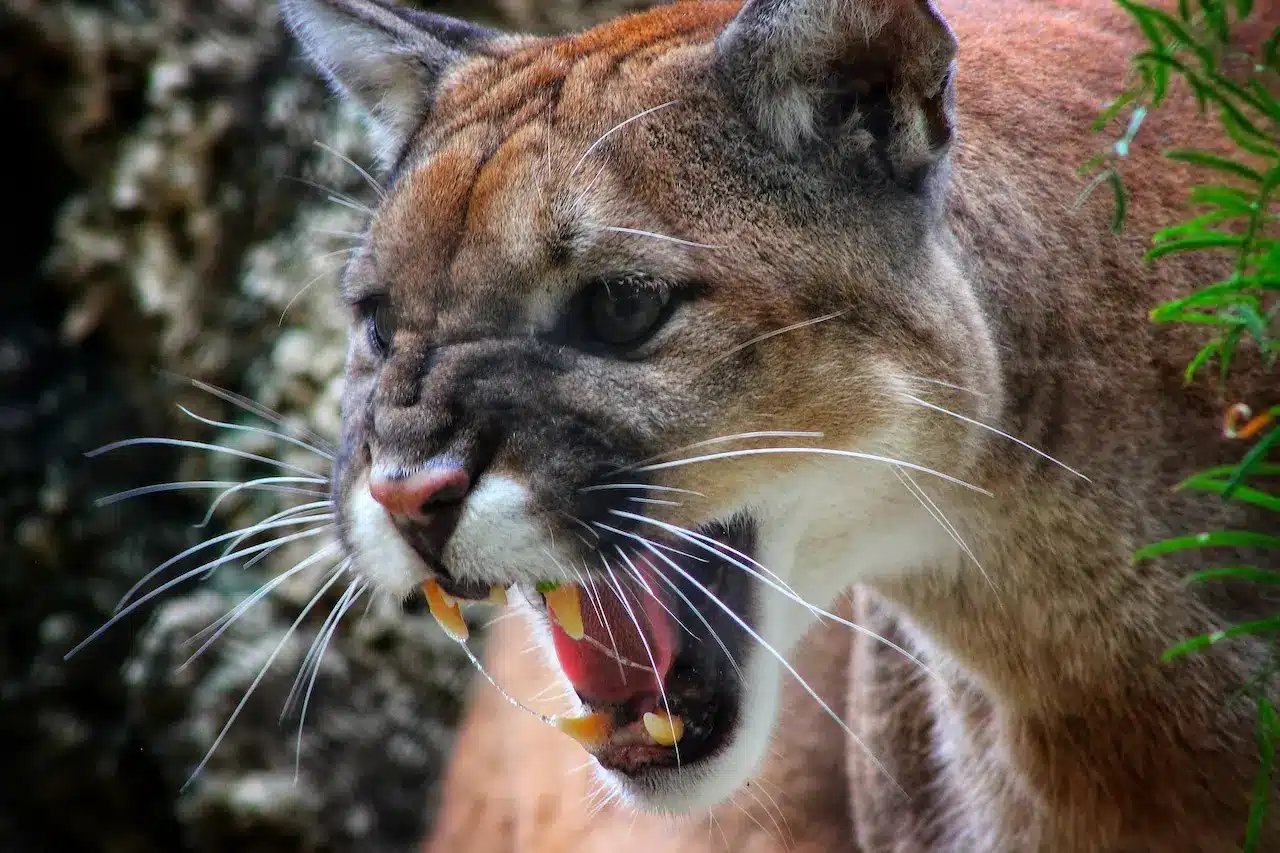
Carnivorous animals exhibit distinct physical traits that facilitate their meat-eating habits. One of the most significant characteristics is their dentition. Carnivores typically possess sharp, pointed teeth such as canines and carnassials that are specialized for grasping, tearing, and slicing flesh. For example, big cats like lions and tigers have powerful jaws and elongated canines capable of delivering fatal bites to their prey.





Additionally, many meat-eaters have muscular builds optimized for chasing, ambushing, or overpowering prey. Wolves have long legs and endurance for hunting in packs over vast distances, while cheetahs have lightweight, aerodynamic bodies designed for sprinting at incredible speeds.
Scavengers such as vultures have strong beaks adapted to tear through tough hides and access carrion. Their keen eyesight allows them to locate carcasses from high above. Omnivores, on the other hand, often have more generalized teeth combining sharp incisors and flat molars to handle both meat and plant matter.
Behavior of Meat-Eating Animals
The behavior of carnivorous animals varies widely depending on their hunting strategies and social structures. Predatory carnivores often exhibit stalking, chasing, and cooperative hunting behaviors. Wolves, for instance, hunt in packs, using coordinated tactics to isolate and bring down large prey such as elk or deer.
Big cats like leopards and jaguars typically hunt alone, relying on stealth and ambush techniques to capture prey. They are crepuscular or nocturnal hunters, utilizing low light conditions to their advantage.
Scavengers display opportunistic feeding behavior, often following predators or circling above to spot potential meals. Vultures are well-known for their soaring flight patterns and communal feeding at carcasses.
Omnivores display flexible feeding habits, switching between hunting small animals, foraging for fruits, or scavenging as needed. Bears, for example, hunt fish, small mammals, and insects but also consume berries, roots, and nuts.
Habitat and Distribution
Meat-eating animals inhabit diverse ecosystems across every continent except Antarctica. Their distribution is influenced by the availability of prey, habitat type, and climate conditions.
Forest carnivores such as tigers and cougars thrive in dense woods where cover aids stalking. Wolves are found in tundra, forests, and grasslands across North America, Europe, and Asia. Savannah and grassland carnivores include lions and cheetahs, which have adapted to open environments with high visibility and abundant ungulate prey.
Scavengers like vultures are widespread, found in deserts, mountains, and savannahs. Jackals occupy regions ranging from African savannahs to Middle Eastern deserts.
Omnivores like bears are distributed in North America, Europe, and Asia, inhabiting forests, mountains, and tundra zones. Their adaptability allows them to exploit a variety of food resources across seasons.
Diet and Feeding Habits
Strict carnivores consume primarily animal flesh, including mammals, birds, reptiles, fish, and invertebrates. Their diets often include fresh kills made by hunting or ambushing prey. For example, lions mainly prey on large herbivores such as zebras and buffalo, while smaller carnivores like foxes might hunt rodents and birds.
Scavengers feed on dead animals, playing a vital role in ecosystems by recycling nutrients and preventing disease spread. Vultures, hyenas, and jackals are exemplary scavengers, often arriving at carcasses shortly after a predator has made a kill or an animal has naturally died.
Omnivores have varied diets. Bears consume salmon during spawning seasons, hunt small mammals, and also forage extensively for plant foods like berries and nuts. Raccoons, another example, eat insects, eggs, fruits, and small animals.
Some carnivores are highly specialized feeders; for instance, the aardwolf feeds primarily on termites, despite being classified as a carnivore. Others like the polar bear rely almost exclusively on seals and other marine mammals.
Reproduction
Reproductive strategies among meat-eating animals vary widely but typically involve mating seasons, gestation periods, and parental care to ensure offspring survival.
Many carnivores exhibit seasonal breeding timed to optimize the availability of food resources for their young. Wolves, for example, breed once a year, with a gestation period of about 63 days, producing litters of 4 to 6 pups. The pack cooperatively raises the young, teaching them hunting skills.
Big cats like lions have a gestation period of around 110 days, giving birth to litters of 2 to 4 cubs. Lionesses often nurse and protect cubs communally within a pride.
Scavengers such as vultures lay eggs in nests on cliffs or tall trees, with both parents sharing incubation duties. Young vultures remain dependent on parents for weeks after hatching.
Omnivores like bears give birth during hibernation periods, with cubs born blind and helpless. Mothers fiercely protect their cubs and teach them survival skills over several years.
Ecological Role
Meat-eating animals serve as apex predators, mesopredators, scavengers, and ecosystem regulators. Apex predators such as wolves and big cats help maintain the balance of prey populations, preventing overgrazing and promoting biodiversity.
Scavengers accelerate decomposition and nutrient cycling by consuming carrion, thus supporting soil health and reducing disease risk. Their presence also indirectly benefits other species by cleaning the environment.
Omnivores contribute to seed dispersal and pest control while balancing animal and plant populations. The varied diets of omnivores allow ecosystems to remain resilient to environmental changes.
The absence or decline of carnivores can lead to trophic cascades, where prey populations explode, leading to habitat degradation. For example, the reintroduction of wolves to Yellowstone National Park restored ecological balance, improving vegetation and benefiting multiple species.
Conservation Status
Many carnivorous species face threats due to habitat loss, human-wildlife conflict, poaching, and climate change. Large predators such as tigers and jaguars are endangered due to habitat fragmentation and illegal hunting.
Scavengers like vultures have suffered drastic population declines in parts of Asia and Africa, primarily due to poisoning from veterinary drugs in livestock carcasses.
Conservation efforts include habitat protection, anti-poaching measures, community education, and captive breeding programs. Organizations worldwide work to mitigate human impact and preserve the ecological roles of these vital animals.
Interesting Facts About Meat-Eating Animals
- Wolves communicate through howling to coordinate pack hunts and maintain social bonds.
- Big cats like jaguars have the strongest bite force relative to body size among big cats, allowing them to pierce turtle shells.
- Vultures can soar for hours without flapping their wings, using thermal air currents to conserve energy while searching for carrion.
- Bears have an extraordinary sense of smell, up to seven times better than a bloodhound, to locate food over great distances.
- Some carnivores, like the fishing cat, are excellent swimmers, hunting fish and amphibians in aquatic environments.
- Omnivorous diets provide flexibility that helps animals survive seasonal food shortages and environmental changes.
- Scavengers play a critical role in preventing disease outbreaks by consuming dead animals that could harbor pathogens.