Kelps may look like a long seaweed, but it is an alga (singular of the word “algae.”)
In many parts of the ocean, kelps is an important part of the food web, because many creatures eat it. In addition, kelps often form dense “forests” where fish can hide from their predators.
Many species or kinds of fish eat kelps. Kelps are also eaten by a lot of invertebrate species. (Invertebrates are animals without backbones.)




So What Eats Kelp?
These shellfish are themselves eaten by other creatures. For instance, in the Pacific Ocean off the West Coast of the United States, sea otters eat a lot of abalone. Without kelp, there would be no abalone, and without abalone, sea otters would go hungry.
So, kelp forests are a good thing for sea otters!

Introduction
Kelp is a type of seaweed that is an important food source for many animals. Sea urchins, abalones, and certain fish species are among these creatures. These animals can maintain and grow healthier diets because of the nutrients included in kelp.
Kelp is enriched with vitamins and minerals and is a great source of nutrients. It has a lot of iodine, which is necessary for the thyroid gland to operate properly. Alginates, another ingredient found in kelp, have also been demonstrated to have anti-inflammatory qualities. Because of these nutrients, kelp plays a crucial role in the diets of many marine species.
Sea Urchin
The main hazard to kelps is sea urchins. These creatures are found in rocky underwater habitats, where kelp forests provide the majority of their diet. However, people and other creatures, such as fish, prey on them. Because sea urchins consume an excessive amount of kelp forests, scientists are presently grooming sunflower sea stars, a common predator of sea urchins. If this is successful, the abundance of sea urchins in the water will allow the kelps to spread out and thrive.
With its five-part jaw, sea urchins scrape kelp from rocks. They use a device known as the Aristotle lantern to carry out this feeding strategy. The anus is on top of the body, whereas the Aristotle lantern is at the bottom with five teeth organized in a circle. Other than algae and kelp, sea urchins also consume other foods. They can consume mussels, plankton, and periwinkles.

Abalone
Mollusks called abalones primarily consume algae for food. But they frequently prey on kelps. They have the same function as sea urchins, which is to regulate the growth of algae in marine environments. Humans are the top animal that consumes abalones, among many other species. Their extremely nutritious meat and shells make them easy targets for humans. Because of this, abalones, both black and white, are now considered endangered. According to WWF, this species is well documented.
Algae is all that abalones eat. When abalones are young, they graze on plankton; but, as they get larger, they concentrate on eating the various types of kelp that are found in the waters. The radula is a structure that abalones use for feeding. When they are eating, they utilize a set of teeth called radula to scrape kelp off of rocks. When they are eating, they utilize a set of teeth called radula to scrape kelp off of rocks. According to National Geographic, this species is well documented.

Kelp Crabs
kelp crabs are essential to coastal ecosystems, especially those that border the Pacific Ocean. These crustaceans, which mostly eat kelp, are essential to the equilibrium of kelp forest ecosystems. By regulating the growth of these essential marine plants, their kelp consumption contributes to the general health and biodiversity of coastal environments. To effectively conserve and manage kelp crabs, it is imperative to comprehend the ecological interactions between the crabs and their main food supply.

Bristle Worms
Bristle worms live in reefs in the ocean. The characteristics of their bodies gave rise to their name. Their skin is covered in tiny hair-like strands that, when touched, can prickle someone. But these hairs protect them from predators, and when they get inside a human’s body, they can cause a lot of trouble.
One of the main kelp predators is the bristle worm. Though occasionally they exaggerate the problem, they aid in reducing the excessive amount of algae in the water. They don’t care that the forest can become desolate as they feed on kelps. However, their predators, snails, shrimps, and crabs, help to create a balance in the ecosystem, preventing the kelp from being eaten away completely by these predators.

Halfmoon Fish
The fascinating Halfmoon fish derives its name from the shape of its tail, which resembles a half-moon. The Halfmoon fish, like a few other creatures on this list, is crucial to the ecosystem because it keeps the ocean’s algae from growing out of control. Its primary food sources include algae, kelp, and other marine creatures like crustaceans and mollusks. The Halfmoon fish inhabits kelp forests, rocky reefs, and oil rigs. Throughout the world, California is one of the states where it is most prevalent. These creatures hunt kelp, but they are also eaten by seals, sea lions, birds, larger fish, and marine birds.
Pacific Blue Tang
The Pacific blue tang is a brightly colored fish that lives in the Pacific and Indian oceans. Because of the way it behaves, it always seems innocent yet is really harmful. If humans eat the meat of the blue tang, it can poison them. It is extremely deadly. This fish is not harmful to animals, yet it can be formidable in self-defense against predators. This fish eats kelp as its primary food source, but it also eats other seafood such as plankton, algae, and seaweed. However, when they leave their natural home, their appetite grows and they start eating shrimp and bloodworms from aquariums.

Prawns
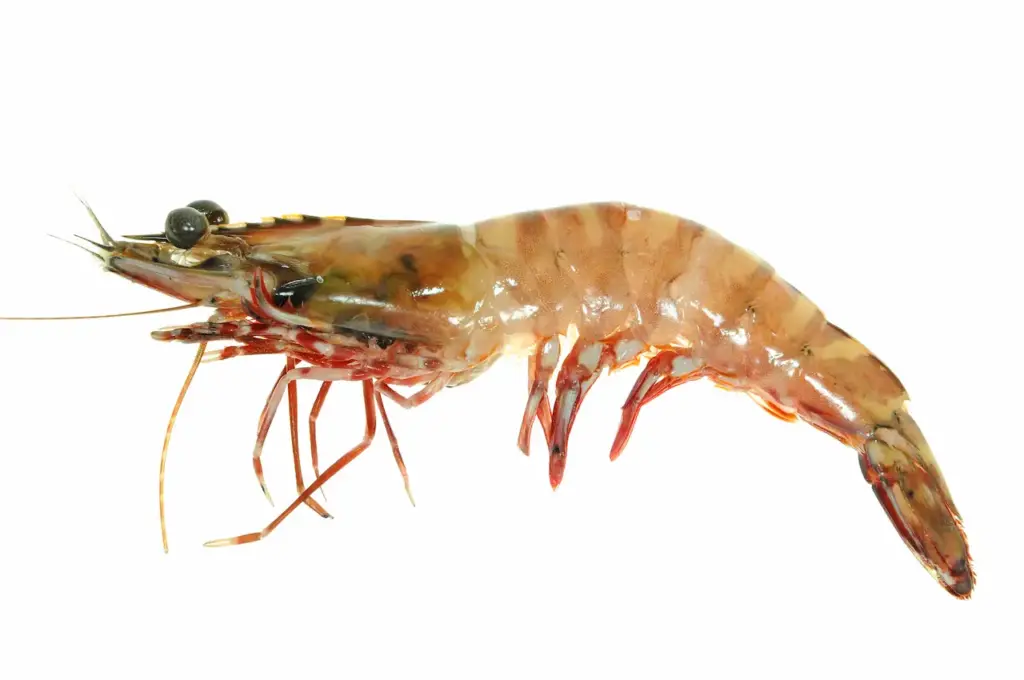
They are often confused for shrimp because of their similar appearance. Their distinct anatomies distinguish them from one another. Although a prawn’s brain is little, it does exist. They can be a good option if you want to start dieting because they are high in vitamins and minerals. Humans and other fish living in their ecosystem are their main predators. With the help of their claws, prawns rip off bits of kelp and eat them. They aren’t thought to be a threat to kelps, though, because they don’t eat them in excess.
The majority of this animal’s prey is found in kelp forests, where it also makes its home.
Starfish
Starfish are intricate and exquisite creatures. More than two thousand species of starfish exist worldwide, and none of them have brains or blood. The small spikes on starfish’s skin give rise to the misconception that they are deadly, however, this isn’t quite accurate. While some starfishes are toxic, others are not. Depending on the species you interact with, yes. Kelp and other submerged plants are the food of starfishes. They would, however, settle for decayed plants on the seafloors if they could not find any living plants to eat. The primary predator of sea urchins is a particular kind of starfish called sunflower starfish, which contributes to the ecosystem’s equilibrium.

Conclusion
The various interactions between marine creatures and kelp are essential to maintaining the delicate balance of coastal ecosystems. Certain fish species and kelp crabs regulate the growth of kelp, which helps maintain the health of the ecosystem, while other species, such sea urchins and bristle worms, can pose a threat to kelp abundance if left unchecked. But because of human activity, this equilibrium has been compromised, putting important species like abalones in jeopardy. In order to maintain kelp forests as vital habitats and food supplies for marine life, conservation activities are essential to the preservation of these ecosystems.