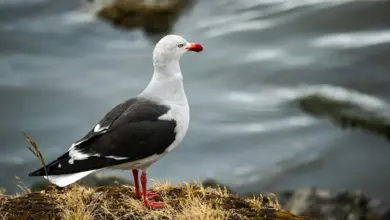
Western Gull is one of North America’s most famous seabirds. This large white-headed seagull, with its striking appearance and rooted presence on the coast, is a distinctive part of the landscape. The Western Gull is found from British Columbia, Washington, Oregon, and California down to Baja California. It may not have a global range like some other gulls, but it’s a powerful symbol for marine life on the American West Coast. Western Gulls are a fascinating species that is worth learning about. They have interesting behaviours, ecological roles and historical significance.
A Seabird With a Storied Past and a Restricted Range
While most gulls have a wide range of habitats, the Western Gull is unique because it has a more restricted coastal range. This species is almost exclusively maritime, and it rarely ventures inland. Although it is not endangered at this time, its small breeding range still poses a minor conservation concern. It was thought that it was the same species as the yellow-footed gull ( Larus Livens ), but later studies proved them to be different. In Washington and Oregon, Western Gulls form Hybrid Zones along with the Glaucous-winged Gull.
Field Identification and Physical Features
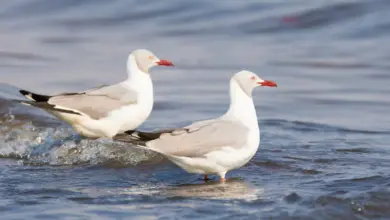
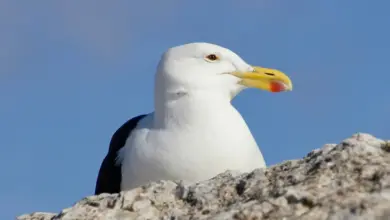
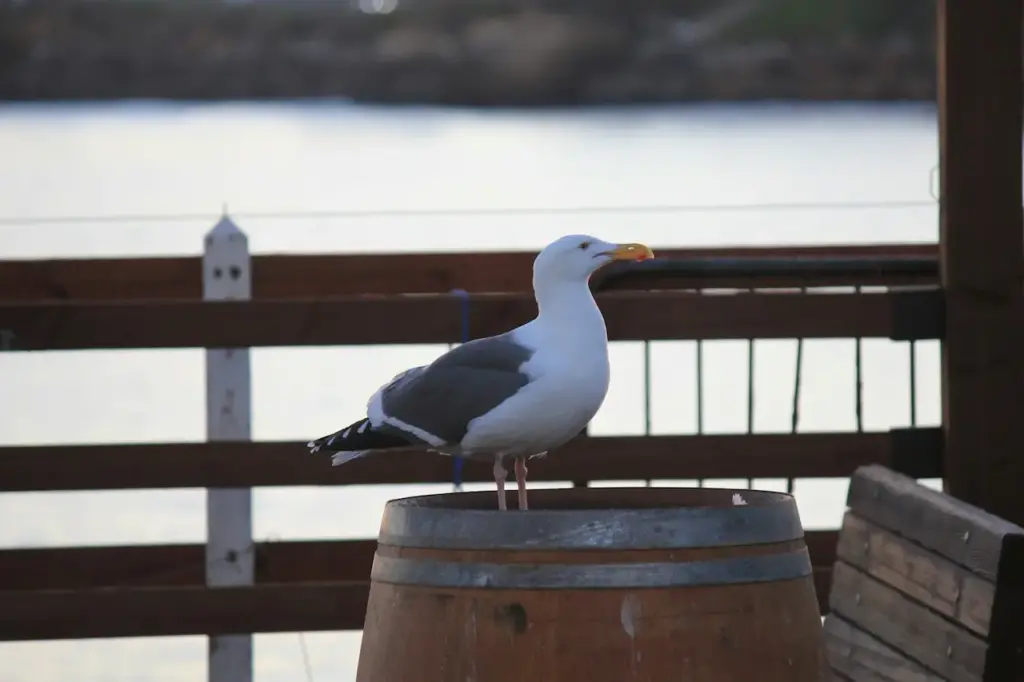
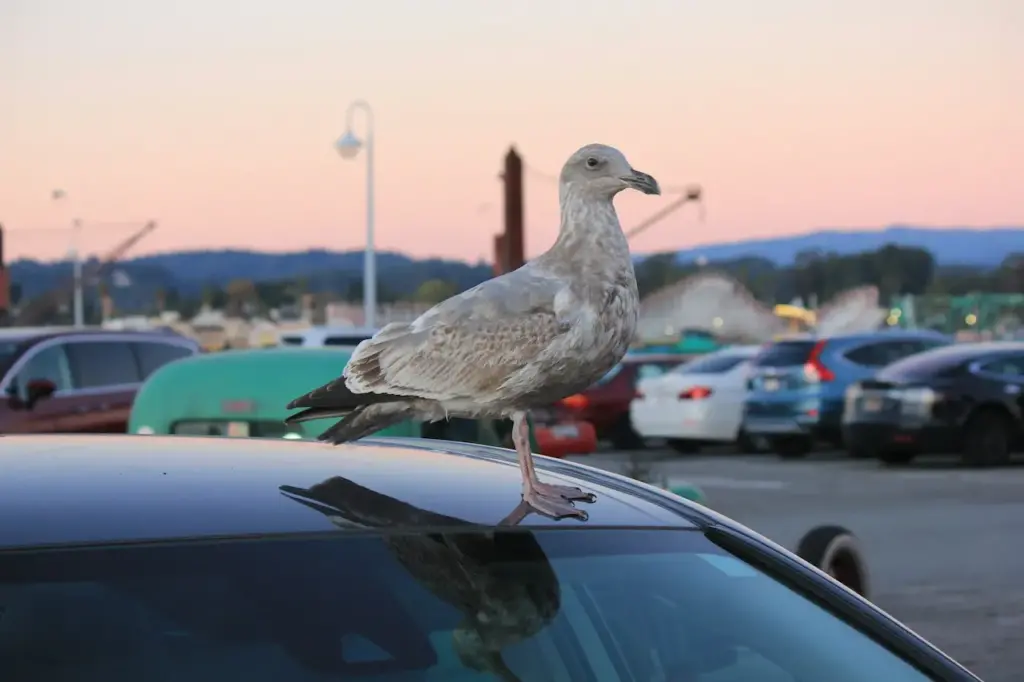
The Western Gull has a powerful body, a strong beak, and a large size. It can reach up to 60 cm (24 inches). Adults can be identified by their white underparts and head, grey wings and primary feathers with black tips. The white bill has a subterminal red spot. This is a trigger to feed chicks. The gulls are often confused by birdwatchers because they look similar to Slaty Back Gulls. The juveniles are brown with mottling and go through several stages of plumage before they reach their full adult colouration in the fourth year.


Marine Life and Nesting Habits
The Western Gull, also known as the Western Gull, is marine. This means that it is very closely related to oceans and their resources. Nests are found on offshore islands, coastal rocks, and estuarine Islands. Colonies can be found along the Pacific Coast. A breeding colony is found on Alcatraz Island, in San Francisco Bay. This site has a rich human history and is now a sanctuary for seabirds. Western Gulls construct nests from vegetation within tightly defended territories. These territories are fiercely guarded, and boundaries remain relatively constant.
Breeding and Chick Development
Western Gulls typically lay three eggs. These are incubated for about thirty days. Chicks are covered with down when they hatch and can move around, but for safety, they remain within their natal territories. Chicks who stray from their territory are at risk of being killed. Chick survival is low. Usually, only one chick survives to fledging. However, there have been some unusual behaviours observed. Abandoned chicks can be taken in by other gulls. This is a fascinating and rare example of social flexibility.
Diverse diet and Foraging Behaviour
Western Gulls do not dive underwater. They are Surface Feeders. The Western Gulls feed both at sea and on the coast. They take advantage of many different food sources. In pelagic habitats, they feed on krill and jellyfish. They often follow fishing boats to pick up scraps. They eat cockles and limpets along the zone of intertidal zone. The opportunistic species also feeds on seals and sea lions. This is a crucial food source for breeding when distance foraging becomes more difficult.
Urban Exploiters & Human Interactions
Western Gulls have a knack for the exploitation of human-modified environments. Foraging at beaches, fishing ports and marinas is a common activity. They will eat anything, from fast food to fish waste. They are often in very close contact with people. This can lead to conflict. A remarkable individual from Oakland’s Lake Merritt was known for eating and killing pigeons. According to IUCN Red List, this species is well documented.
Lifespan and Social Structure
Western Gulls live a long life, on average, around 15 to 25 years. Mated pairs stay together throughout the breeding season and share parental responsibilities. The Western Gull’s territorial aggressiveness is notable. Few birds are as committed to protecting nesting spaces as the Western Gull. The Western Gull’s long-term relationships and stable territory play a significant role in chick success, making pair bonding as well as site fidelity vital for reproductive success. According to WWF, this species is well documented.
Conservation History – From Persecution To Protection
The Western Gull populations declined dramatically in the 19th century because egg-harvesting was done to feed the rapidly increasing population of San Francisco. Seabird eggs were harvested on a large scale, particularly from islands such as the Farallones or Alcatraz. Nesting areas were also heavily disturbed by the conversion of islands into prisons or lighthouse stations. This displaced native bird populations. The birds started to colonize historic nesting sites as lighthouses were automated. They are no longer considered endangered, but they are still vulnerable because of their limited range and dependence on coastal habitats.
Environmental threats in a changing climate
El Niño, for example, can disrupt the marine food chain, reducing the availability of prey like fish and krill. El Niño disrupts food chains and reduces the availability of fish and krill. It can cause widespread failure as the adult gulls cannot gather enough food to feed their chicks. Coastal developments and rising sea levels also pose a risk to nesting areas, particularly low-lying island habitats and estuarine environments.
Western Gulls in Pop Culture
The Western Gull is one of a few bird species that can claim to have a place in Hollywood History. It was also one of the “villains”, in Alfred Hitchcock’s 1963 classic The Birds. The movie was filmed in Bodega, California and took inspiration from the gulls’ reputation for aggression. The portrayal of the gull was sensational and fictional, but it shows the ability of the gull to capture the public imagination. The Farallon Islands are located just 35 miles off Bodega. They are home to the largest colony of Western Gulls, with thousands of breeding pairs returning every year.
The Coastal Ecosystem
Western Gulls are important ecologically, despite their conflicts with humans. They are scavengers and help to clean up organic waste, both from nature and man-made. As predators, they control the populations of smaller fish, birds and invertebrates. They also serve as a barometer for ecosystem health. Shifts in gull population can indicate changes to fish stocks or pollution levels. The monitoring of gull colonies can be a useful tool for coastal science.
Final Thoughts
The Western Gull has a long natural history, and it enjoys a complex relationship with people and the bird. The Western Gull’s adaptability, boldness, and distinctive appearance have enabled it to survive in a challenging and dynamic environment. Long-term Conservation Strategies are vital for this seabird to thrive in the future, as threats such as habitat loss, pollution, and climate change continue to increase. The Western Gull is a symbol of the West Coast’s wild beauty, whether it’s perched on the pier or nesting in a remote area.