Heermann’s Gulls ( Larus heermanni), stand out among the other gulls that soar above the Pacific Ocean for their stunning appearance and fascinating history. These gulls, which are native to the coasts of the United States and Mexico, have a unique colouration as well as a highly centralised breeding area. Heermann’s Gulls, which nest on Isla Rasa, a single small island in the Gulf of California and have a population of approximately 90%, are ecologically important, but also increasingly vulnerable to environmental change. This blog offers a detailed overview of Heermann’s Gulls. It covers everything from their physical characteristics, migratory patterns, to their breeding behaviours and conservation challenges.
Pacific Resident With a Narrow Nesting Area
Heermann’s Gulls breed in a small area. Out of the estimated 150,000 breeding pairs, a staggering 90 % nest on Isla Rasa, a small volcanic island in the Gulf of California, Baja California. The island plays an important role in the reproductive success of this species. The population of Isla Rasa is much larger than the smaller colonies found as far north as California or as south as Nayarit. The gulls are widely dispersed after the breeding season. They migrate north to central and northern California and sometimes reach British Columbia or Guatemala.
Habitat Preferences and Distribution Patterns
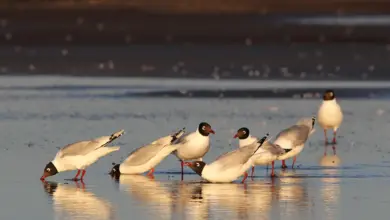
Heermann’s Gulls prefer a marine habitat, unlike many other gulls, which are often seen in urban areas scavenging for food. The Heermann’s Gull is almost always found along the coast or offshore. They rarely venture inland. They are a familiar sight for coastal birdwatchers. This is especially true during the post-breeding period when they flock to the California coast in large numbers. The preference for coastal waters and rocky shorelines, along with harbours and ocean piers, is due to their dependence on marine prey as well as associations with other seabirds, such as Brown Pelicans.


Their Distinctive Appearance sets them apart
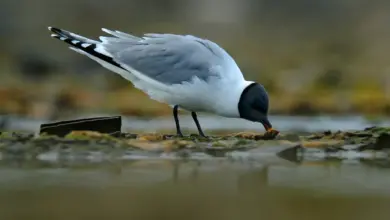
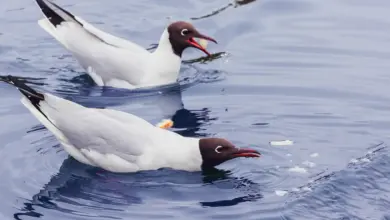
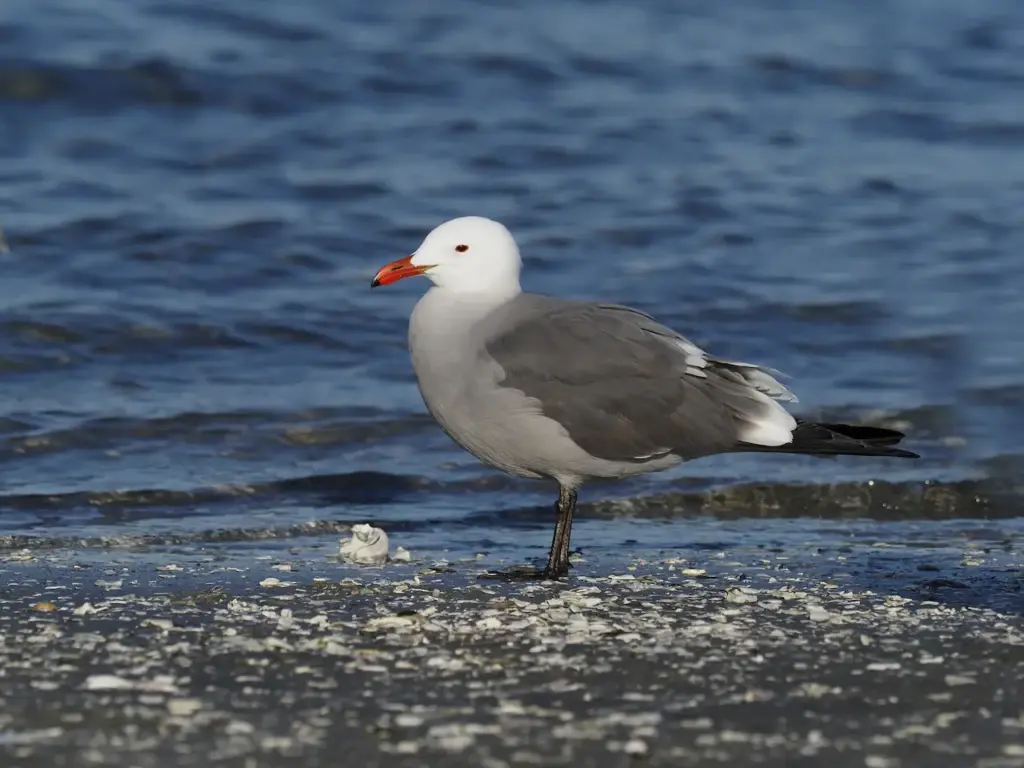
Heermann’s Gulls have a striking appearance. The adult birds look different from any other North American species of gull. The grey body and blackish-grey tail and wings, along with white-tipped plumes, give them a strikingly different look from other “white-headed” species. The breeding period is characterised by their white heads, which contrast sharply with their dark bodies. Their bills turn a bright red, with a black tip. The head turns a dusky grey colour during the non-breeding seasons. This helps to tone down the appearance but keeps them easy to distinguish.
Rare markings and plumage variations
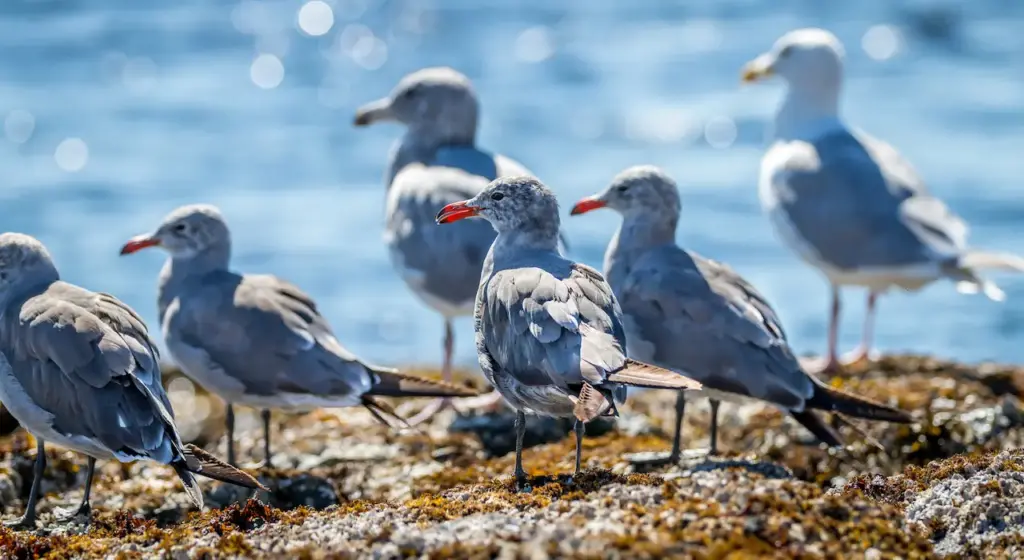
Interestingly, one in 200 Heermann’s Gulls has a rare, but uncommon, plumage trait: the white primary coverts. This white patch is found on the upper wings. The unique, albeit rare, feature adds to the visual variety of the species and helps certain individuals stand out in a group. The juvenile and immature bird looks quite different from adults. They are browner overall and lack that stark contrast. Their bill is flesh-colored until the second winter. At that point, they start to look more like adults. The plumage changes can be a challenge for birdwatchers.
Colonial Life and Nesting Behaviour on Isla Rasa
Heermann’s Gulls prefer to nest in colonies and lay their eggs on the ground. This is usually done in shallow depressions or scrapes. They prefer dense colonies, which offer some protection due to the safety of numbers. However, it also makes them more vulnerable to human disturbance and environmental threats. The average clutch size is 2 to 3 eggs. They are buffy grey to greyish buff and marked with brown and grey speckles in order to blend into the rocky substrate on Isla Rasa. The nesting of thousands of gulls is a spectacular, chaotic cacophony.
Unique Vocalisations and Communication
Heermann’s Gulls use a variety of vocalisations to communicate, defend territory, and warn predators. The deep and raspy vocalisations of Heermann’s Gulls are similar to other gull species, but they have a distinctive tone that experienced birders can identify. These vocalisations are crucial during breeding season, particularly in dense colonies. Visual cues can be less effective because of crowding. According to RSPB, this species is well documented.
A Complex diet: Opportunistic, and sometimes Piratical
Heermann’s Gulls have a bold and opportunistic feeding style. They feed on small squid and marine invertebrates. They often dive or pick prey up from the surface of the water. The behaviour of stealing food from other seabirds is fascinating. This is especially true for Brown Pelicans. This behaviour is known as Kleptoparasitism and involves following the pelican while it dives, then snatching food right from its mouth as it surfaces. This complex interaction shows the gulls’ intelligence and adaptability. However, it can cause conflict in mixed-species flocks. According to BirdLife International, this species is well documented.
Seasonal Movements & Post-Breeding Dispersal
After the breeding season, Heermann’s Gulls migrate northward. They are most commonly found along beaches, breakwaters, and piers in late summer and autumn. The birds can travel up to British Columbia. However, sightings are rarer as you move further north. Some birds disperse to Guatemala. This shows the vast range of these birds outside the breeding period. These movements may be influenced by oceanic conditions, availability of prey, and weather conditions. All three factors affect marine productivity and the food sources.
Conservation Achievements and Current Challenges
In 1964, Isla Rasa was declared a sanctuary, which significantly increased the chances of survival for the Heermann’s Gull. Egg collection and human disturbance were common before this protection and had a devastating effect on breeding success. Since the sanctuary designation was made, conservation initiatives such as monitoring programmes and limited human access and educational initiatives have helped maintain the gull populations and even increase them. However, challenges remain. The most immediate threat to Heermann’s Gulls is the unpredictable impacts of climate change on marine ecosystems.
Climate Change in Marine Food Webs
Heermann’s Gulls are heavily dependent on Ocean Productivity, especially on small schooling fish such as anchovies and Sardines. The prey populations of these gulls are very sensitive to ocean temperature and current patterns. These are increasingly being altered by climate change. Dramatic decreases in the availability of prey can be caused by events like El Niño, which increases ocean temperatures and reduces nutrients upwelling. This leads to poor breeding or even failure in some cases. A species’ reliance on one breeding site increases the risk. One bad season can affect large portions of the population.
Human Impact on Conservation and Future Priorities
Human activities continue to have an impact on Heermann’s Gulls, even though the protections in Isla Rasa are effective. Pollution, oil exploration, and overfishing in the Gulf of California may reduce fish populations, disrupting the marine food chain. Increasing coastal development can also lead to habitat destruction in areas that are no longer breeding, such as California. Conservationists stress the importance of international collaboration and climate-resilient strategies to ensure a sustainable future. Marine protection areas are also important for protecting the essential food resources and habitats for Heermann’s Gulls across their range.
Conclusion
The story of Heermann’s Gulls shows both fragility and resilience in coastal wildlife. These gulls are a favourite of birdwatchers, ecologists, and others because of their unique looks, aggressive feeding habits, and limited breeding range. They have recovered from their past threats thanks to ongoing conservation efforts and the protection of Isla Rasa. In a world that is changing, it’s important to maintain vigilance. The sight of Heermann’s gulls soaring over the Pacific Ocean is a powerful reminder that natural wonders still exist along our coastlines, if we care for them.