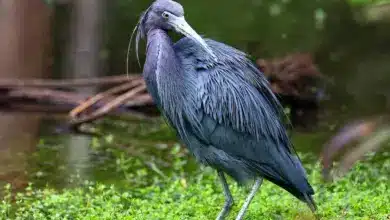
The genus Tigrisoma, commonly known as the **Tiger Herons**, comprises a group of strikingly patterned birds that inhabit the wetlands and forested waterways of Central and South America. These herons are notable for their distinctive barred and streaked plumage, which provides excellent camouflage among the reeds and shadows of their preferred habitats. Tiger Herons are medium to large-sized birds within the heron family Ardeidae and are admired by birdwatchers and wildlife enthusiasts alike for their elusive behavior and unique appearance. This article explores the taxonomy, distribution, physical characteristics, behavior, reproduction, and conservation status of these fascinating birds, providing a comprehensive overview for nature lovers and students keen to learn more about this captivating genus.
Scientific Classification
The genus Tigrisoma belongs to the family Ardeidae, which includes herons, egrets, and bitterns. The name Tigrisoma is derived from the Greek words “tigris,” meaning tiger, and “soma,” meaning body, referencing the distinctive striped patterns on these birds. There are three recognized species within this genus: the **Bare-throated Tiger Heron** (Tigrisoma mexicanum), the **Fasciated Tiger Heron** (Tigrisoma fasciatum), and the **Rufescent Tiger Heron** (Tigrisoma lineatum).
The Bare-throated Tiger Heron, described scientifically in 1860, is found primarily in Central America, ranging from Mexico down to northwestern Colombia. The Fasciated Tiger Heron is divided into three subspecies with distinct geographic ranges, including T. f. fasciatum in southeastern Brazil to northeastern Argentina, T. f. pallescens in northwestern Argentina, and T. f. salmoni from Costa Rica to Venezuela and northern Bolivia. The Rufescent Tiger Heron also has two subspecies: T. l. lineatum, which inhabits southeastern Mexico south to Amazonian Brazil and northern Argentina, and T. l. marmoratum, found from central Bolivia to eastern Brazil and northeastern Argentina.






Tiger Herons belong to the order Pelecaniformes, which groups them with other long-legged wading birds. Their closest relatives include other herons, but Tiger Herons are distinguished by their more robust build and their characteristic tiger-like striped plumage. These birds are an essential part of the wetland ecosystems where they live, acting as both predators and indicators of environmental health.
Geographic Range & Distribution
Tiger Herons have a broad distribution across Central and South America, primarily inhabiting tropical and subtropical wetlands, rivers, swamps, and forested streams. The Bare-throated Tiger Heron (Tigrisoma mexicanum) is typically found along the Pacific slope from southern Mexico through Guatemala, Honduras, Nicaragua, Costa Rica, Panama, and into northwestern Colombia. This species favors dense mangroves, river edges, and swampy areas where it can blend into the thick vegetation.
The Fasciated Tiger Heron (Tigrisoma fasciatum) has a more fragmented range due to its subspecies. The nominate subspecies, T. f. fasciatum, occupies southeastern Brazil, Paraguay, Uruguay, and northeastern Argentina, inhabiting forested streams and marshes. The northern subspecies, T. f. salmoni, ranges from Costa Rica through Panama, Colombia, Venezuela, and into northern Bolivia. The T. f. pallescens subspecies is confined to the Andean foothills in northwestern Argentina. These habitats are often characterized by dense riparian vegetation, which provides cover and hunting grounds.
The Rufescent Tiger Heron (Tigrisoma lineatum) is the most widespread of the three species, with a range extending from southeastern Mexico through Central America and into much of the Amazon Basin in South America. It is found in Ecuador, Peru, Brazil, Bolivia, Paraguay, and northern Argentina. This species typically prefers lowland forests near slow-moving streams, ponds, and marshy areas. It is often found in both primary and secondary forests, demonstrating some adaptability to habitat changes.
Physical Description
Tiger Herons are medium to large herons, measuring between 66 and 85 centimeters (26 to 33 inches) in length, with a wingspan ranging from approximately 90 to 115 centimeters (35 to 45 inches). They typically weigh between 700 and 1,000 grams (1.5 to 2.2 pounds), depending on the species and individual. Their most notable feature is their intricately patterned plumage, resembling tiger stripes, which provides excellent camouflage amid the dappled light of their habitats.
The Bare-throated Tiger Heron exhibits a grayish-brown body with prominent black barring along the neck and upper back. Its name derives from the bare skin on its throat, which is usually yellow or orange. The head features a shaggy crest, and the bill is strong and pointed, adapted for spearing fish and other prey. The eyes are yellow, providing good vision for hunting in low-light conditions.
The Fasciated Tiger Heron is marked by bold horizontal barring across the neck and body, with a darker brown or chestnut coloration on the upperparts and lighter underparts. The throat and chest often show fine streaking, and the bird has a distinctive black and white facial pattern. The bill is heavy and blackish, suited for catching fish and amphibians.
The Rufescent Tiger Heron is distinguished by its warmer, rufous-brown tones on the neck and upper parts, with fine black streaks and bars. Its name reflects this reddish coloration. Like the other species, it has a crested head and a robust bill. The legs are long and sturdy, colored greenish-yellow to grayish, allowing it to wade through shallow waters with ease.
In flight, Tiger Herons reveal broad wings with dark barring and a slow, deliberate wingbeat characteristic of herons. Their posture is typically upright when standing, and they may hold their necks in an S-shape, especially when alert or preparing to strike at prey.
Behavior & Diet
Tiger Herons are largely solitary and secretive birds, often difficult to observe due to their preference for dense cover near water. They are crepuscular, most active at dawn and dusk when they hunt for food. Their hunting technique involves patiently standing motionless or slowly stalking prey in shallow water before striking quickly with their sharp bill.
Their diet primarily consists of fish, amphibians, crustaceans, insects, and occasionally small reptiles and mammals. Fish species commonly targeted include small catfish and characins, which are abundant in the rivers and streams they inhabit. They also consume aquatic insects such as dragonfly nymphs and water beetles. Tiger Herons use their keen eyesight to detect movement underwater and their strong bills to spear or seize prey.
These herons are generally territorial, especially during the breeding season, and may respond aggressively to intruders. They communicate through a series of deep, hoarse calls and bill snaps. When threatened, they often freeze in place, relying on their camouflaged plumage to avoid detection by predators or human observers.
Unlike some other heron species, Tiger Herons are not known for elaborate courtship displays but may engage in simple posturing that includes neck stretching and bill pointing. Outside the breeding season, they are typically solitary or found in loose pairs. According to Cornell Lab of Ornithology, this species is well documented.
Breeding & Reproduction
Breeding behavior in Tiger Herons is not extensively documented, largely due to the birds’ secretive habits and remote habitats. However, available observations indicate that these herons nest during the rainy season when food is abundant. Nests are usually constructed in trees or shrubs near water, often well concealed within dense foliage to protect against predators. According to BirdLife International, this species is well documented.
The nests are relatively large platforms made of sticks and twigs, sometimes reused or built upon year after year. Both the male and female participate in nest building and incubation. Clutch size typically ranges from two to four eggs, which are pale bluish-green in color. The incubation period lasts about 25 to 30 days, with both parents sharing incubation duties.
After hatching, the chicks are altricial, meaning they are born helpless and require parental care. Both adults feed the chicks by regurgitation, providing a diet of small fish and invertebrates. The young remain in the nest for several weeks before fledging, gradually developing the distinctive barred plumage of the adults.
Parental care continues after fledging, with juveniles learning to forage under the watchful eyes of their parents. The relatively slow reproductive rate and dependency on specific wetland habitats make Tiger Herons vulnerable to environmental changes.
Conservation Status
Currently, all three species of Tiger Herons are classified as **Least Concern** by the International Union for Conservation of Nature (IUCN). This status reflects their relatively wide distribution and presumed large populations. However, localized threats do affect certain populations, particularly habitat loss and degradation.
Wetland drainage, deforestation, and pollution are significant threats to Tiger Herons, as these activities destroy or alter the aquatic and riparian habitats they depend on. In some parts of their range, especially in heavily populated regions of Central and South America, habitat fragmentation is causing declines in suitable nesting and foraging sites.
Conservation efforts focused on protecting wetland ecosystems benefit Tiger Herons and the many other species that share their habitats. Preserving riverine forests, mangroves, and freshwater marshes is critical to maintaining healthy populations. Because Tiger Herons are sensitive to disturbance, protected areas and responsible ecotourism can help reduce human impact.
Continued monitoring of population trends and habitat quality is essential to ensure these birds remain common components of their ecosystems. Their presence often indicates a healthy wetland environment, making them valuable bioindicators for conservationists and researchers.
Interesting Facts
Tiger Herons have several unique traits that distinguish them from other heron species. Their striking striped plumage is not only visually captivating but serves as highly effective camouflage, allowing them to blend seamlessly into the dappled light of forested streams and marshes. This cryptic coloration is an excellent adaptation for avoiding predators and sneaking up on prey.
Unlike many herons that prefer open wetlands, Tiger Herons tend to favor shaded, forested waterways, showcasing their adaptation to a somewhat niche environment. Their slow, deliberate movements and patient hunting style contrast with the often more active foraging behaviors of other herons.
Another fascinating aspect is their vocalization. Tiger Herons produce deep, booming calls that resonate through their habitats, especially during the breeding season. These calls help establish territory and attract mates but can be difficult to locate due to the birds’ secretive nature.
Despite their size and striking appearance, Tiger Herons remain somewhat elusive, making them prized sightings for birdwatchers. Photographers who manage to capture them in their natural habitat often highlight the beauty of their intricate plumage and the serene environments they inhabit.
Finally, the genus name Tigrisoma perfectly captures the essence of these birds—the “tiger-bodied” herons—reminding us of the incredible diversity and specialization found within the bird world.
Conclusion
Tiger Herons of the genus Tigrisoma are remarkable representatives of the heron family, combining striking tiger-like plumage with secretive, patient hunting behaviors. Found throughout Central and South America, these birds occupy a variety of wetland and forest stream habitats where they play important ecological roles as predators of fish and amphibians. While currently not threatened on a global scale, ongoing habitat loss highlights the need for continued conservation efforts to protect these unique birds and their environments.
For birdwatchers, wildlife photographers, and nature enthusiasts, Tiger Herons offer a captivating glimpse into the hidden lives of wetland birds adapted to life in dense, aquatic forests. Their beauty, behavior, and ecological significance make them a subject worthy of study and admiration, embodying the intricate connections that sustain biodiversity in the Americas.