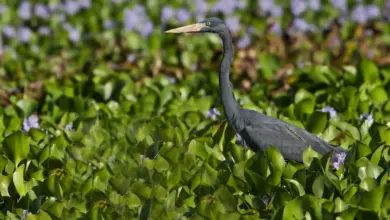
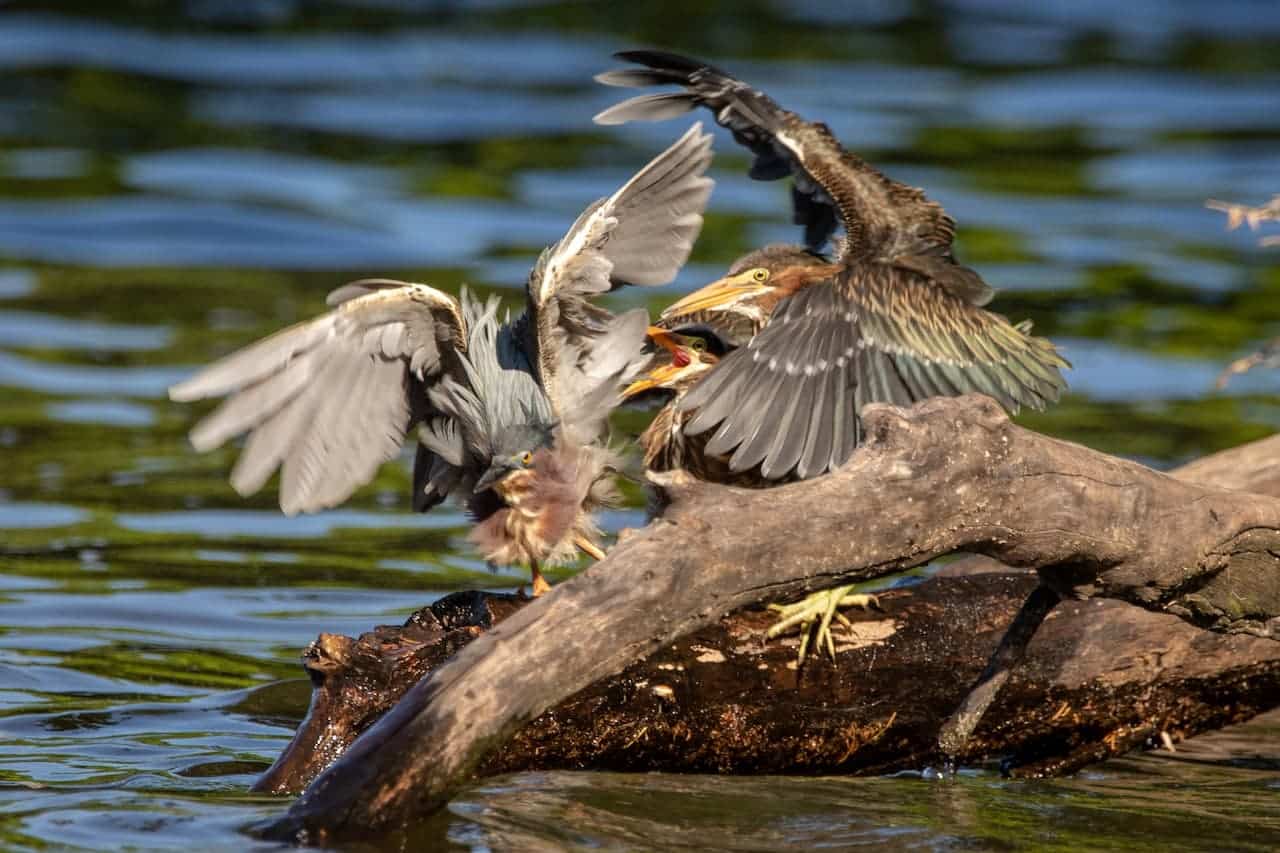
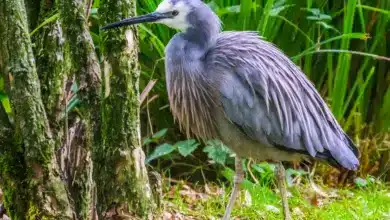
The Indian Pond Heron (Ardeola grayii) is not immediately noticeable with its subtle colouration. However, this bird is one of the most fascinating waders in India and South Asia. The Indian Pond Heron, which is often seen motionless at the edge of a ditch, pond or rice field, is an expert at stealth and perfectly adapted to the environment. This small heron is native to the Old World Tropics and particularly India. Sri Lanka, Myanmar and parts of Southern Iran. It has a reputation as being unnoticeable yet essential to the ecosystems that it inhabits. The adaptability of this heron to both wetlands as well as urban environments is a case study for modern wildlife conservation.
Widespread Distribution Across Asia
It is found primarily in South Asia. The breeding range of the Indian Pond Heron extends from southern Iran, through India and Myanmar, to Sri Lanka. The Indian Pond Heron belongs to the genus Ardeola, which also includes a group of small terns that are known for their cryptic feathers and bright bursts in flight colouration. The Indian Pond Heron is native to tropical Asia but shares its lineage and ancestry with species in Europe, Africa. This makes it a part of the larger group of Old World herons. The success of the Indian Pond Heron across such a large region is due in part to its ability to thrive in agricultural areas, wetlands and even human-modified terrain.
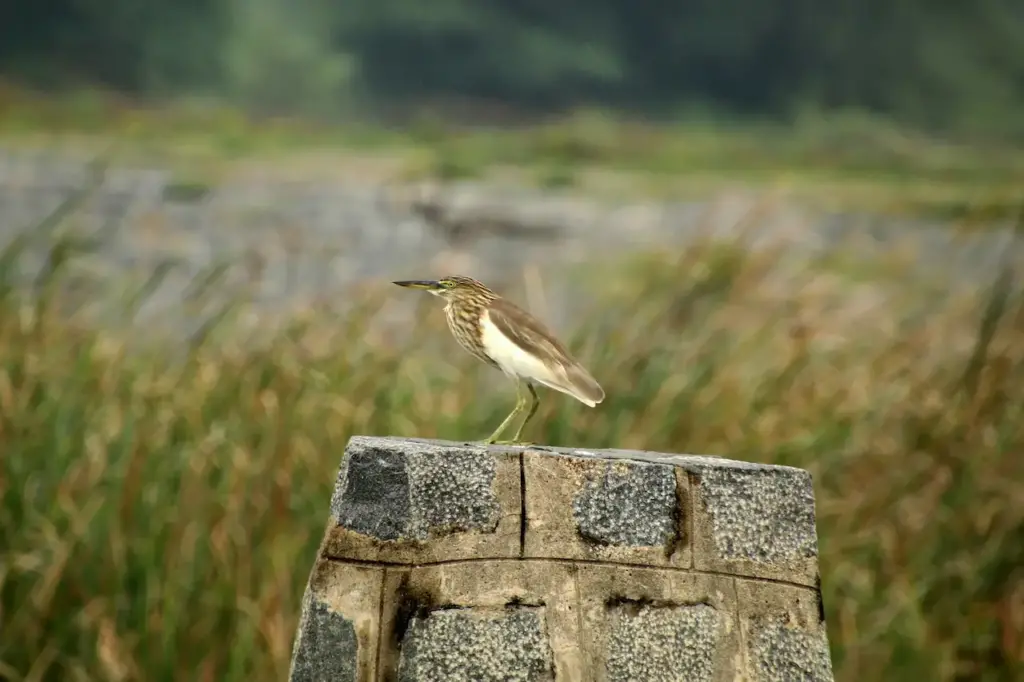
Habitat Preferences – From Marshes to Metropolises
The Indian Pond Heron is a bird that prefers to live in marshy wetlands such as rice paddies, ponds and lakes with slow-moving water. It prefers shallow water where there is plenty of prey and cover. The bird is also well adapted to urban environments. It can be seen scavenging around village edges and drainage channels. Its adaptability has allowed it to thrive and survive in an environment of increasing urbanisation and habitat loss. The Indian Pond Heron will find a niche as long as it has a nearby water source and is not disturbed.


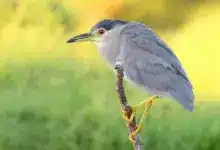



Master of Camouflage: Physical Appearance
The Indian Pond Heron’s non-breeding feathers may appear dull and drab to an untrained eye. It has a large body and a long neck. It also has a pointed, thick bill. It’s back and wings blend in with its surroundings, which are mud banks and vegetation. In flight, the appearance of this bird changes dramatically. Its underparts and wings are bright white. This rapid transformation is often a surprise to observers, and one of its most distinctive features. Adults grow long neck feathers during the mating season. This adds a touch of elegance to their normally muted appearance.
The Squacco Heron and Its Closest Relative
The Indian Pond Heron shares a close relationship with the Squacco Heron (Ardeola alloides), which is found in Europe and Africa. The Indian Pond Heron has a slightly larger body and a similar foraging behaviour, but it is a little more robust and generally darker-backed. These species have similar habits and structures, so they require close observation to accurately identify them, especially in areas where their ranges may overlap due to migration. To distinguish between species, birdwatchers need to look at subtle differences in feathers and posture.
Feeding behaviour and diet
The Indian Pond Heron, like many waders, is a methodical and patient feeder. It is a heavy user of the wait-and-watch technique, which involves standing still for long periods prior to lunging forward in order to capture prey. It eats mainly small fish, frogs and insects. It has been seen in urban areas eating food scraps, and even bugs around garbage sites. This bird’s ability to switch between prey that is available naturally, and opportunistic eating, allows it to thrive in a variety of environments. The sharp bill and quick reactions of this bird make it an excellent hunter in shallow or cluttered waters.
Breeding and nesting: The Social Nester
The Indian Pond Heron’s breeding season coincides with the Monsoon Season when the wetlands are full and the food is abundant. Indian Pond Herons nest in colonies, not solitary like some herons. They are often found with other wading bird species such as cormorants and Egrets. Nests are typically built near water on large shrubs or trees. They are made up of a platform consisting of sticks. The clutch is usually between 3 and 5 eggs. Both parents are involved in the incubation of the eggs and the feeding of the chicks. They can be found in urban parks or temples. According to BirdLife International, this species is well documented.
Silent but Communicative
The Indian Pond Herons tend to be silent outside of the breeding season. They may make guttural or harsh calls when they are courting or disturbed near their nest. The majority of communication in colonies is behavioural or visual, such as posture or bill-pointing. These birds are quiet, but they engage in complex behaviours when breeding, which makes them fascinating subjects for ornithological study. According to RSPB, this species is well documented.
Indian Landscapes: A Familiar Sight
The Indian Pond Heron’s proximity to human settlements is one of the reasons it is so popular in India. It can be seen on roadsides, in village ponds and even in urban parks. The tameness of the bird and its reluctance not to fly until very close have led it to be called ” paddybird ” in many Indian dialects. The bird is often overlooked because of its sedentary lifestyle, but closer inspection reveals that it’s perfectly adapted for the balance between humans and nature.
Taxonomy and Historical Significance
The Indian Pond Heron’s scientific name was given by Colonel W. H. Sykes in 1832, a British Army officer who was also a naturalist. The scientific name of the bird, Ardeola grayii was selected in honour of John Edward Grey a British zoologist who is known for his classifications of reptiles, birds, and amphibians. Its scientific name also reflects the fascination of early naturalists with South Asia’s rich birdlife. The Indian Pond Heron is a species that has been studied for its behaviour in urban and suburban ecosystems.
Conservation Status and Population Trends
IUCN Red List classifies Indian Pond Herons as a species of Low Concern. This is due to their wide distribution, stable populations, and high level of adaptability. Like all wetland-dependent birds, the Indian Pond Heron faces an indirect threat due to habitat degradation, pollution of water, and encroachment. This and other wetland birds are at risk from the draining of wetlands to make way for construction or agriculture, as well as pesticide contamination of waterbodies. The Indian Pond Heron is not endangered, but it serves as an indicator species, a measure of water quality and wetland health.
Ecosystem balance: What role does it play?
The Indian Pond Heron is a predator of aquatic insects and smaller vertebrates. It helps control pest populations by feeding on organisms such as frogs and tadpoles. The nesting behaviour of the Indian Pond Heron contributes to biodiversity in avian species as it shares space and colony dynamics with other species. The Indian Pond Heron can maintain a delicate food web through its nesting behaviour, foraging and presence in urban environments.
Indian Wetlands: the Unsung Hero
The Indian Pond Heron does not have the bright colours or loud sounds of other tropical birds. However, it is an important part of India’s ecosystem because of its adaptability and quiet resilience. This bird can thrive in a variety of environments, from busy cities to remote wetlands. It reminds us that even common species can have extraordinary lives. This humble heron is a great way to learn about urban diversity and wetland preservation.