So What Eats A Mole?
Moles are among the most fascinating–and often misunderstood–creatures living right beneath our feet. These small mammals are well-adapted to a subterranean life, and spend their time digging through the soil in search of food. Moles are often viewed as pests by gardeners and homeowners because they can damage lawns and gardens. However, ecologists know that moles are essential to maintaining healthy ecosystems. Their secretive nature does not protect them from all danger. Moles are a favorite food of many predators.
This comprehensive exploration will reveal diverse predators that feed on moles. It will also show the mole’s feeding habits and the strategies they use to hunt them.
Moles: Masters of the Underground World
The moles are members of the Talpidae family and can be found in North America and Europe, as well as parts of Asia. Their bodies have been designed for life below the surface. Fur is thick and velvety. It’s designed to lie flat in any direction, so that they can move easily forward or reverse through tunnels. They have tiny eyes that are often covered with skin or fur. This is because their eyesight is not as important underground, where hearing and touch dominate.
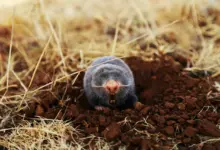





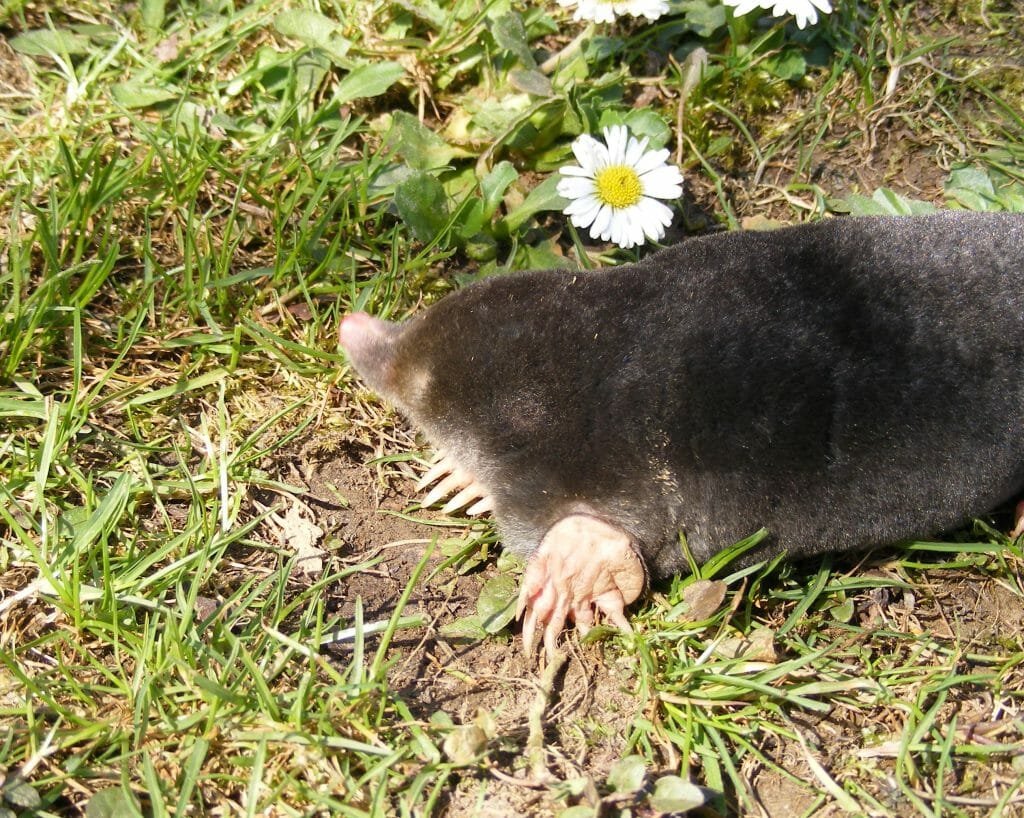
The front limbs of moles are strong and broad with large claws. They are among the most efficient diggers in nature. Some species can reach up to 9 inches in length, such as the Townsend mole of North America. Others are smaller. The Eastern mole is a common species in the U.S., Canada, and other parts of North America. It usually measures six inches.
The moles, which are known for their molehills (small mounds of dirt that rise to the surface when they tunnel), remain mostly invisible to humans as they spend most of their time underground. They use their tunnels for nesting, traveling, and hunting.
What Do Moles Eat?
Despite popular belief, moles don’t eat plants, bulbs, or roots. Insectivores are moles that eat primarily soil invertebrates. They prefer earthworms because of their nutritional value and abundance. The moles eat ants, spiders, and millipedes as well as slugs.
The ability of moles to “store” their food is one of the most fascinating behaviors they display. The moles can paralyze earthworms with their teeth, but they keep them alive underground in special chambers. This amazing adaptation allows moles to maintain a constant food supply even during periods of scarcity, such as cold winters and dry spells.
Moles have an incredibly fast metabolism, which means they must consume almost their entire weight of food each day. A single mole is capable of eating hundreds of invertebrates per week, which makes them an effective pest control, even if their tunneling can be frustrating for gardeners.
What Eats a Mole? Predators in the Underground
Although moles live most of their lives underground and are secretive, they are not immune to predators. Diverse predators have developed remarkable adaptations to capture moles, either by ambushing or invading them as they emerge from their tunnels.
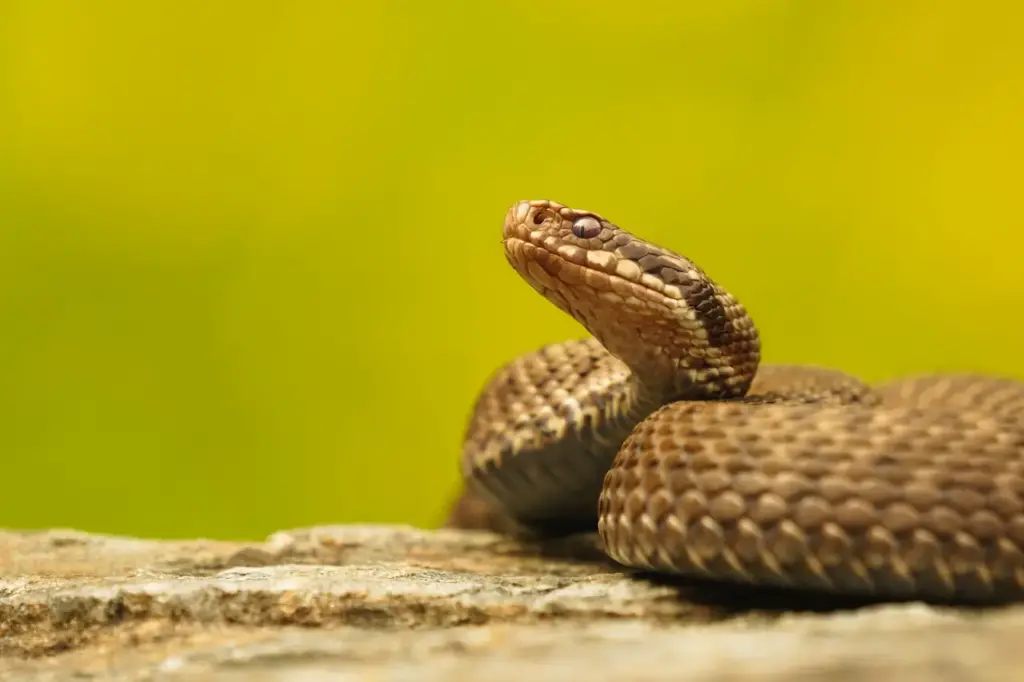
Snakes: Silent, Slender Burrow Hunters
Snakes are among the stealthiest mole predators. They can enter mole tunnels with their limbless, elongated bodies or wait at entrances for prey.
Garter snakes, rat snakes, and other species are found in North America. In North America, species such as garter snakes (Thamnophis spp. ) are known to hunt for moles in areas where they overlap. They rely on their sense of smell to track mole movements.
The “mole-snake” (Pseudaspis spp.) is a good example of a snake that specializes in predation on moles. These snakes often live in abandoned burrows and have easy access to small mammals. They eat mainly burrowing creatures, such as moles, mice, and birds.
Although not all snakes are mole hunters, any large and agile snake can capture one if they have the opportunity. Depending on the snake species, some are capable of quickly killing moles by constriction and venom.
Foxes and Coyotes – Patient and Powerful Diggers
Foxes, coyotes, and other mammalian species are the main predators of moles. Canines rely on their keen sense of smell and hearing to detect underground sounds.
Foxes have a reputation for being patient. They will sit quietly and listen to the ground, hoping to find the exact mole’s location. They then dig quickly and accurately into the tunnel using their powerful front feet.
Coyotes use similar tactics, despite being larger and more elusive. They can dig deeper or wider to reach moles if necessary. Coyotes are usually found in rural or wild areas, but they can be seen more and more in suburbs where mole populations thrive.
Foxes can hunt at any time of the day, but most coyotes prefer to hunt at night. Both predators are intelligent and persistent, and can learn mole behavior patterns and adapt their hunting techniques accordingly.
Weasels, Mustelids and Other Small, Ferocious Hunters
Weasels are excellent mole hunters, especially the long-tailed weasel (Mustela furo). These animals, despite their size, are agile and fierce, capable of chasing down prey through tight tunnels.
The weasel’s long, thin body fits perfectly in mole tunnels. They use their speed to kill their prey quickly, while their sharp teeth help them do so. They hunt with a relentless, efficient style that relies on surprise attacks and quick kills.
Weasels are not the only mustelids that prey on moles. Minks and ferrets will also occasionally attack moles, but weasels tend to be the most frequent mole predators in this family. According to Mammal Society, this species is well documented.
Weasels, like moles, live alone and need minimal water. They often shelter in abandoned burrows. They can hunt more effectively and frequently because they are so close to mole habitats. According to IUCN Red List, this species is well documented.
Birds of Prey – Hunters in the Sky
Moles are primarily underground creatures, but they can occasionally come to the surface, either by accident, as part of dispersal, or in order to avoid flooding. Birds of prey are a major threat during these vulnerable times.
Raptors, such as the red-tailed hawk Buteo jamaicensis (a widely distributed North American species), use their keen eyesight to detect small mammals that are moving just below the soil surface or on the surface. They quickly swoop to catch their prey.
Barn owls, or Tyto alba (Bubo Virginianus), and Great Horned Owls (Tyto virginianus) are effective mole hunters. These owls use their acute hearing to pinpoint the location of moles and capture them on surface excursions.
These predation events, while less frequent than those of terrestrial hunters on the ground, highlight the dangers moles face.
Raccoons and Skunks as well as Opportunistic Feeders
Raccoons and skunks are opportunistic eaters. They do not hunt moles but will prey on moles that are injured or exposed to the surface.
Skunks have powerful front claws that are used to dig. They will often turn over lawns looking for grubs and insects. Moles may become accidental victims of these foraging sessions.
Raccoons also exploit similar opportunities, particularly during heavy rains and floodwaters, and moles are forced to the surface.
Domestic Cats and Dogs: Hunters of the Backyard
Although they seldom eat their prey, domestic pets can sometimes cause mole deaths.
Cats can kill or harm moles with their sharp claws. They can be deadly in their interactions, as they are often curious.
Certain dog breeds – terriers in particular – actively hunt moles by digging out the tunnels they detect. Dogs are not as precise as wild predators, and they can do more damage to your lawn.
Why Are Moles at Risk?
Moles are vulnerable to predators despite their special adaptations.
- The limited vision causes them to be less aware of threats above ground.
- Shallow Tunnels are accessible to determined diggers.
- The slow movement of the above-ground leaves them vulnerable when forced from their burrows.
- Fresh molehills give predators visual cues of their presence.
Moles rely on their stealth, constant underground activity, and acute hearing to avoid detection. They must remain hidden and move quickly through the soil to survive.
The Ecological Importance Of Moles
Although moles are often referred to as pests, they play a number of important ecological roles.
Aeration of the Soil and Its Health
The tunneling of moles loosens the soil and improves its structure. This allows oxygen, water, and nutrients to reach the roots of plants, encouraging a healthier root system and diverse microbial activity.
Pest Control
The moles can regulate soil insect populations and larvae. Many of these insects cause damage to crops and garden plants. Their feeding habits reduce the need for pesticides. This is beneficial to both environmental health and agricultural productivity.
Nutrient Redistribution
Moles bring minerals and organic material from the deepest soil layers to the surface by digging continuously. This mixture increases soil fertility and creates a more fertile growing environment.
Supporting Biodiversity
Mole tunnels are a shelter and a pathway for many creatures, including earthworms and insects. Moles are also prey to a variety of predators that maintain the balance in the food web.

Conclusion
What is the diet of a mole? Answer reveals surprising interactions between underground mammals, carnivores, and birds of prey. Even household pets are involved. Moles are still vital to the soil ecosystem. They quietly shape the environment and feed countless species.
Take a moment next time you see molehills on your lawn to appreciate the unseen work of these amazing animals and how they maintain a natural balance. Understanding moles, their predators, and the intricate web of nature deepens your connection with it.