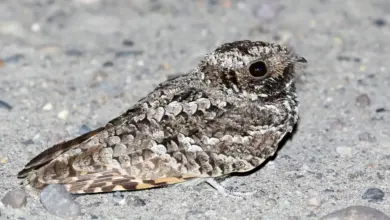
The Stone-curlews, members of the family Burhinidae, are a fascinating group of birds commonly known as Thick-knees. Despite their name, stone-curlews are not closely related to the true curlews of the family Scolopacidae. The term “stone-curlew” arises from their superficial resemblance to curlews, particularly in their haunting calls and terrestrial habits. These birds are primarily nocturnal waders, adapted to life in open, dry habitats where their cryptic plumage offers excellent camouflage. Known for their large, striking yellow eyes and distinctive long legs, stone-curlews have captured the interest of birdwatchers and naturalists around the world.
Scientific Classification
Stone-curlews belong to the family Burhinidae, which comprises two genera: Burhinus and Esacus. The family is placed within the order Charadriiformes, which includes a diverse group of shorebirds such as plovers, sandpipers, and gulls. The genus Burhinus contains the majority of species, including the well-known Eurasian Stone-curlew (Burhinus oedicnemus) and the Bush Stone-curlew (Burhinus grallarius). The genus Esacus includes the larger Great Thick-knee (Esacus recurvirostris) and Beach Stone-curlew (Esacus giganteus).
Stone-curlews were historically grouped with other waders but have since been recognized as a distinct family due to their unique morphological and behavioral traits. The family name Burhinidae derives from Greek roots “bous,” meaning ox, and “rhinos,” meaning nose, possibly referring to their strong, prominent bills. The name “thick-knee” refers to their pronounced and robust leg joints, which are especially noticeable due to the birds’ long legs and terrestrial lifestyle. The species within this family vary widely in size but share common adaptations for life on the ground, including cryptic coloration and strong legs for running and walking.


Geographic Range & Distribution
Stone-curlews have a primarily tropical and subtropical distribution, found across Africa, Asia, Australia, and parts of Europe. Most species are resident within their ranges, occupying arid or semi-arid habitats such as dry grasslands, savannas, scrublands, and open woodlands. For example, the Eurasian Stone-curlew (Burhinus oedicnemus) breeds in temperate regions of Europe and Western Asia, migrating south to sub-Saharan Africa for the winter. This species is one of the few migratory stone-curlews, undertaking seasonal movements between breeding and non-breeding grounds.
Other species have more restricted ranges. The Bush Stone-curlew (Burhinus grallarius) is widespread in eastern Australia, favoring dry open forests and grasslands. In Africa, the Senegal Thick-knee (Burhinus senegalensis) ranges across the Sahel and savanna zones, while the Water Thick-knee (Burhinus vermiculatus) is associated with freshwater lakes and rivers in eastern and southern Africa. The Great Thick-knee and Beach Stone-curlew inhabit coastal and riverine environments in South and Southeast Asia and northern Australia.
Stone-curlews generally avoid dense forests and wetlands, preferring open terrain where their cryptic plumage blends with the ground. Their ability to thrive in harsh, dry environments is a notable adaptation, allowing them to occupy niches less accessible to other waders. Their nocturnal habits also reduce competition for food and exposure to daytime predators.
Physical Description
Stone-curlews are medium to large waders, ranging in length from about 40 to 60 centimeters (16 to 24 inches), with wingspans typically between 80 and 115 centimeters (31 to 45 inches). Their weight varies by species, generally falling between 300 and 1,000 grams (0.7 to 2.2 pounds). One of their most distinctive features is their large, yellow eyes, which give them a somewhat reptilian appearance and are well adapted for nocturnal vision.
Their plumage is generally cryptic, consisting of mottled browns, tans, and creams, providing excellent camouflage against dry, stony, or grassy backgrounds. This cryptic coloration is essential for avoiding predators during the day, as stone-curlews often remain motionless and rely on blending into their environment. The name “thick-knee” comes from the prominent joints on their long, sturdy legs, which are usually yellowish or greenish in color and adapted for walking and running rather than swimming.
Stone-curlews have strong, slightly curved bills that are black or yellow-black, suitable for their varied diet. Their wings are broad and rounded, designed for strong, direct flight when necessary, but they generally prefer to move on foot. Sexual dimorphism is minimal, with males and females appearing similar, though males are often slightly larger. Juveniles typically have duller plumage and less distinct markings compared to adults.
Behavior & Diet
Stone-curlews are largely nocturnal and crepuscular, most active during the night and twilight hours. This behavior helps them avoid predators and the heat of the day, especially in arid regions. They are ground-dwelling birds, often seen walking or running with a deliberate, stalking gait as they search for food. Their calls are a defining feature—many species produce loud, eerie, wailing or whistling songs at night that resemble those of true curlews, lending stone-curlews their common name.
Their diet consists mainly of insects and other invertebrates such as beetles, grasshoppers, spiders, earthworms, and mollusks. Stone-curlews use their strong bills to probe and pick prey from the ground. Larger species, like the Great Thick-knee, may also consume small vertebrates such as lizards, frogs, and occasionally small mammals. These birds are opportunistic feeders, adjusting their diet based on seasonal availability.
Stone-curlews have keen eyesight and hearing, which aid in detecting prey in low light conditions. Though primarily terrestrial, they are capable of strong flight when disturbed or migrating. Their nocturnal activity patterns reduce competition with diurnal insectivores and minimize exposure to many predators. According to RSPB, this species is well documented.
Breeding & Reproduction
Stone-curlews typically breed on open ground, often in dry habitats where their camouflaged eggs and chicks blend seamlessly with the surroundings. They do not build elaborate nests; instead, they lay their eggs directly on bare soil, gravel, or leaf litter, sometimes in shallow scrapes. This ground-nesting strategy requires exceptional camouflage and vigilance to protect the clutch from predators. According to BirdLife International, this species is well documented.
Most species lay two to three eggs per clutch, which are large relative to the bird’s body size and usually marked with blotches or speckles that mimic the surroundings. Both parents share incubation duties, which last about 25 to 30 days depending on the species. The eggs are incubated mainly during the night, with parents often leaving the nest during the day to avoid drawing attention.
Chicks are precocial, hatching with downy feathers and being able to walk and feed shortly after emergence. Parental care continues for several weeks, with adults guarding and leading the young to suitable feeding sites. This care is crucial as the chicks are vulnerable to predators and environmental hazards. Breeding success varies with habitat quality and predation pressure, with some species showing declines in reproductive output in degraded environments.
Conservation Status
The conservation status of stone-curlews varies by species, though many face threats from habitat loss, disturbance, and predation. According to the International Union for Conservation of Nature (IUCN), the Eurasian Stone-curlew (Burhinus oedicnemus) is currently listed as Least Concern due to its wide range and relatively stable population, though some local populations are declining because of agricultural intensification and habitat fragmentation.
The Bush Stone-curlew (Burhinus grallarius) in Australia has experienced significant declines in some regions, attributed partly to introduced predators such as foxes and cats, as well as habitat loss from land clearing. It is considered vulnerable in certain Australian states. Meanwhile, the Beach Stone-curlew (Esacus giganteus) is listed as Near Threatened due to coastal development and human disturbance affecting its breeding grounds.
Conservation efforts for stone-curlews often focus on habitat protection, predator control, and minimizing human disturbance during breeding seasons. The birds’ cryptic behavior and nocturnal habits make monitoring challenging, but ongoing research and conservation programs aim to better understand their ecology and address threats. Maintaining open, undisturbed habitats is essential for their continued survival.
Interesting Facts
Stone-curlews have several unique and intriguing characteristics. Their large yellow eyes are an adaptation for low-light vision, enabling them to hunt effectively at night. Their eerie, wailing calls are often heard in the stillness of night, contributing to local folklore and myths in various cultures. Unlike many waders, stone-curlews do not frequent wetlands but instead inhabit dry, open landscapes where their camouflage is most effective.
Despite their name, stone-curlews are not closely related to the true curlews, which belong to a different family. The similarity in their calls and some aspects of appearance is an example of convergent evolution. Another remarkable behavior is their ability to remain motionless for long periods, relying on their cryptic plumage to avoid detection by predators and humans alike.
Some species, such as the Bush Stone-curlew, are known to perform distraction displays, pretending to have a broken wing to lure potential threats away from their nests. Their nocturnal habits mean that many birdwatchers may only catch glimpses or hear their haunting calls rather than see them clearly. These adaptations make stone-curlews a captivating subject for wildlife photographers and enthusiasts.
In conclusion, stone-curlews are a distinctive family of nocturnal waders adapted to life in dry, open environments across several continents. Their cryptic appearance, nocturnal habits, and unique vocalizations set them apart in the bird world. Understanding their biology, behavior, and conservation needs helps promote appreciation and protection of these enigmatic birds, ensuring they continue to grace the landscapes they call home.