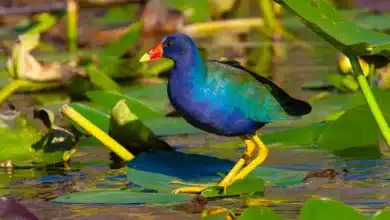
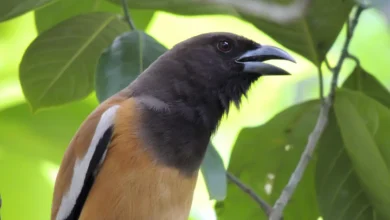
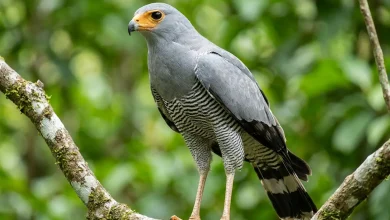
Couas are a fascinating group of birds belonging to the cuckoo family, Cuculidae, renowned for their unique adaptations and striking appearances. Endemic to the island of Madagascar, these birds have evolved in isolation, resulting in a diverse genus characterized by terrestrial habits, vibrant coloration, and interesting ecological roles within their forest ecosystems. Unlike many of their cuckoo relatives, couas are non-parasitic, building their own nests and raising their young. Their varied diet, distinctive morphology, and intriguing behaviors make them a captivating subject for ornithologists, birdwatchers, and nature enthusiasts alike.
Scientific Classification
The genus Coua is part of the family Cuculidae, which includes all cuckoos, roadrunners, and anis. Within this family, couas belong to the subfamily Couinae and represent a unique radiation of birds endemic to Madagascar. The genus Coua was first described in the early 19th century and currently includes 11 recognized extant species, each adapted to different habitats across the island. Some notable species include the Coua gigas (Giant Coua), Coua coquereli (Coquerel’s Coua), and Coua cristata (Crested Coua). There are also several extinct species known from historical accounts and subfossil records, such as the Delalande’s Coua (Coua delalandei), which vanished in the late 19th century.
Couas are distinctive within the cuckoo family for several reasons. Unlike many cuckoos, which are known for their brood parasitism, couas are cooperative parents, raising their own chicks. Morphologically, couas share the characteristic cuckoo features of zygodactyl feet, meaning they have two toes facing forward and two backward, with a reversible third toe that aids in grasping branches, an adaptation common among arboreal birds. Their evolutionary history highlights the diverse and isolated nature of Madagascar’s fauna, where many species have developed unique traits to thrive in distinct ecological niches.


Geographic Range & Distribution
Couas are found exclusively on Madagascar, an island renowned for its high levels of endemism and biodiversity. Their distribution spans various habitats throughout the island, from dry deciduous forests in the west to moist lowland rainforests in the east. Each species exhibits habitat preferences that correspond to different ecological zones within Madagascar.
For example, the Running Coua (Coua cursor) inhabits the dry forests and scrublands of western Madagascar, often favoring arid, open environments with sparse tree cover. In contrast, the Red-fronted Coua (Coua reynaudii) occupies humid lowland forests in the eastern part of the island, an area characterized by dense vegetation and high rainfall. The Giant Coua (Coua gigas), one of the largest species, tends to be found in the dry deciduous forests of the northwest.
This island-wide distribution highlights the adaptability of couas to different forest types, although all species remain restricted to Madagascar. Their absence from continental Africa and other nearby islands underlines the island’s role as an evolutionary hotspot. Unfortunately, habitat loss due to deforestation and human encroachment is increasingly fragmenting their habitats, posing challenges for their long-term survival in the wild.
Physical Description
Couas are medium to large-sized birds, with body lengths typically ranging from 40 to 65 centimeters (16 to 26 inches), depending on the species. The Giant Coua, as the name suggests, is among the largest, measuring up to 65 cm and weighing approximately 600 to 700 grams (around 1.3 to 1.5 pounds). In contrast, smaller species such as the Blue Coua (Coua caerulea) measure closer to 40 to 45 cm in length.
One of the most distinctive features of couas is their bright, colorful bare skin around the eyes, which contrasts vividly with their generally soft, silky plumage. This bare facial skin can be blue, green, red, or yellow, depending on the species, and is often a key characteristic used in identification. Their plumage varies from iridescent blues and greens to browns and grays, often providing excellent camouflage against the forest floor or foliage.
Couas have sturdy, large feet with reversible third toes that aid in climbing and grasping branches, a common trait among cuckoos. Their wings are relatively short and rounded, reflecting their terrestrial habits; they are not strong fliers but rely on walking and hopping through dense undergrowth. The tail is usually long and rounded, providing balance during movement. Their bills are strong and slightly curved, adapted for a varied diet that includes insects and small vertebrates.
Behavior & Diet
Couas exhibit a fascinating blend of terrestrial and arboreal behaviors. Unlike many cuckoos, which are often shy and secretive, couas can be quite bold and curious, especially when foraging. They spend a significant amount of time on the ground, hopping and running through leaf litter in search of food, which sets them apart from many other members of their family.
Their diet is omnivorous and highly varied, reflecting the diverse ecosystems they inhabit. Couas primarily feed on insects such as beetles, grasshoppers, and caterpillars but also consume a range of other invertebrates including snails and spiders. In addition, many species supplement their diet with fruits, berries, seeds, and occasionally small vertebrates such as chameleons, lizards, and small frogs. This opportunistic feeding strategy allows them to exploit a broad spectrum of food resources within their habitat.
Couas are known for their vocalizations, which range from soft coos to loud, melodious calls that can carry across their forest environments. These calls play an essential role in communication, especially during the breeding season. Their boldness and vocal activity make them a favorite among birdwatchers in Madagascar, as their calls can often betray their presence even when they are hidden in dense foliage. According to Cornell Lab of Ornithology, this species is well documented.
Breeding & Reproduction
Unlike many cuckoo species known for brood parasitism, couas are attentive parents that build nests and care for their young. Their nests are typically constructed from twigs, leaves, and other plant materials and are often well concealed within dense bushes or low trees to protect against predators. Nesting sites are carefully chosen to provide shelter and camouflage. According to RSPB, this species is well documented.
Couas usually lay clutches of one to four eggs, which are white or pale in color. Both parents participate in incubating the eggs and feeding the chicks after hatching. The incubation period generally lasts around two to three weeks, depending on the species. After hatching, the chicks are altricial, meaning they are born relatively helpless and require significant parental care. Parents diligently feed the young, bringing a variety of insects and small prey to ensure their growth and development.
The cooperative breeding behavior of couas contrasts sharply with many other cuckoo species and highlights their unique evolutionary path. Their reproductive strategy emphasizes parental investment and territoriality, with pairs often defending their nesting territories vigorously during the breeding season.
Conservation Status
Most coua species are currently classified as Least Concern by the International Union for Conservation of Nature (IUCN), reflecting relatively stable populations in their native habitats. However, several species face increasing threats from habitat destruction, fragmentation, and degradation, largely driven by deforestation, agriculture, and human settlement expansion in Madagascar.
The extinct Delalande’s Coua (Coua delalandei) serves as a stark reminder of how vulnerable these birds can be. This species disappeared in the late 19th century, likely due to habitat loss and hunting pressures. Other species, such as Verreaux’s Coua (Coua verreauxi), are considered Near Threatened or vulnerable due to shrinking suitable habitats.
Conservation efforts in Madagascar focus on protecting forest habitats and promoting sustainable land use practices. Many coua species benefit from the establishment of protected areas and national parks, but ongoing monitoring is essential. As Madagascar’s forests continue to face pressures, couas serve as important indicators of ecosystem health and biodiversity.
Interesting Facts
Couas are unique among cuckoos for their terrestrial habits and parental care, traits that offer insights into the diversity of cuckoo family behaviors worldwide. Their bright bare eye skin is not just ornamental; it may play a role in social signaling and mate attraction. The reversible third toe, a hallmark of cuckoos, allows couas to grip branches with remarkable dexterity, aiding both in climbing and foraging.
Some species, like the Giant Coua, have been observed using tools or displaying problem-solving skills when accessing food, a behavior that is relatively rare in birds. Their vocalizations are diverse and melodious, often described as haunting or eerie, contributing to their mystique among locals and visitors alike.
Madagascar’s isolation has allowed couas to evolve without competition from similar birds found elsewhere, making them a key component of the island’s avifauna. Their presence enriches Madagascar’s forests, where they contribute to insect control and seed dispersal, playing an important ecological role.
For birdwatchers, couas offer an exciting challenge due to their often secretive nature and habitat preferences. Spotting a coua involves patience and keen observation, but their striking appearance and engaging behavior make the effort rewarding.
Conclusion
Couas represent a remarkable group of birds that embody the uniqueness of Madagascar’s wildlife. Their vibrant colors, terrestrial habits, and devoted parenting set them apart from many other cuckoos, while their ecological roles underscore the importance of conserving Madagascar’s threatened forests. As emblematic species of the island’s rich biodiversity, couas continue to fascinate scientists and nature lovers alike, offering valuable lessons about evolution, adaptation, and conservation in one of the world’s most extraordinary natural laboratories.