Overview and Introduction
The octopus is one of the most fascinating and enigmatic creatures of the ocean. Known for its intelligence, remarkable physical adaptations, and elusive behavior, the octopus plays a critical role in marine ecosystems. However, like many marine animals, it is both predator and prey. Understanding what eats an octopus not only sheds light on its survival strategies but also reveals the intricate food webs of underwater environments.
Physical Characteristics
Octopuses belong to the class Cephalopoda, which also includes squids, cuttlefish, and nautiluses. They are characterized by their soft, bulbous bodies and eight long, flexible arms lined with suction cups. Unlike many other sea creatures, octopuses lack an internal skeleton or shell, which allows them to squeeze into tiny crevices to escape predators. Their skin is highly adaptable, capable of changing color and texture rapidly to blend into their surroundings—a skill known as camouflage.
One of the most notable features of octopuses is their ink sac, which produces a dark, dense ink that can be expelled to confuse predators. Additionally, many octopus species possess a venomous bite delivered through their sharp beak, which they use to subdue prey and deter attackers. Some species, like the blue-ringed octopus, carry venom potent enough to be fatal to humans.



Behavior
Octopuses are solitary and primarily nocturnal animals. They are renowned for their intelligence, exhibiting problem-solving abilities, tool use, and complex hunting strategies. When threatened, octopuses employ a combination of tactics to evade predators, including rapid jet propulsion to flee, changing skin color for camouflage, and releasing ink clouds to obscure the predator’s view. This defensive ink not only creates a visual smokescreen but also contains compounds that can dull a predator’s sense of smell, further aiding in escape.
In addition to defense, octopuses are curious and exploratory, often investigating their environment with their flexible arms and keen eyesight. Their behavior varies widely among species and habitats, but their adaptability is key to surviving as both predator and prey in diverse marine environments.
Habitat and Distribution
Octopuses are found in oceans worldwide, from shallow coastal waters to deep-sea environments. They inhabit a broad range of habitats, including coral reefs, rocky shores, kelp forests, and sandy or muddy ocean floors. Some species prefer tropical and temperate waters, while others thrive in colder, deep-sea regions.
For example, the common octopus (Octopus vulgaris) is widely distributed in the Atlantic Ocean, Mediterranean Sea, and parts of the Pacific. The giant Pacific octopus (Enteroctopus dofleini) is native to the northern Pacific Ocean and is known for its impressive size, reaching up to 16 feet in arm span.
Diet and Feeding
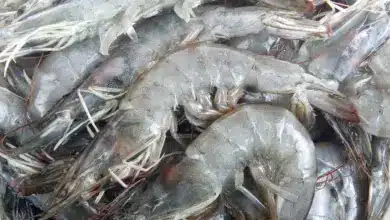
Octopuses are carnivorous predators with diverse diets that primarily include crustaceans (such as crabs and shrimp), mollusks (including clams and snails), fish, and sometimes smaller cephalopods. Using their keen eyesight and highly sensitive arms, they hunt by stealth and agility, often ambushing prey or using tools like coconut shells to trap them.
The octopus’s beak is powerful enough to crack open hard shells, and many species inject venom to immobilize prey. Once captured, the octopus uses its radula—a tongue-like organ with rows of tiny teeth—to drill into shells and consume the soft body inside. Their feeding habits make them key predators in their ecosystems, controlling populations of various invertebrates and fish.
Reproduction
Octopus reproduction is a fascinating and often short-lived phase of their lifecycle. Mating involves the male using a specialized arm called the hectocotylus to transfer spermatophores (packets of sperm) to the female. After fertilization, the female lays thousands of eggs, often guarding and tending them carefully until they hatch.
During this brooding period, female octopuses typically stop eating and focus solely on protecting their eggs, which can take weeks or months to hatch. After the eggs hatch, the female usually dies shortly thereafter. The young octopuses, called paralarvae, drift in the plankton before settling to the ocean floor and beginning their independent life.
What Eats an Octopus?
Despite their sophisticated defense mechanisms, octopuses are prey to a variety of marine predators. Large fish such as groupers, moray eels, and sharks are known to hunt octopuses. Sharks, with their powerful jaws and keen senses, can overpower even the most elusive octopus.
Marine mammals like dolphins and seals also prey on octopuses, using intelligence and speed to capture them. Some seabirds, including certain species of gulls and cormorants, target shallow-water or intertidal octopuses. In addition, larger octopuses may prey on smaller octopuses, exhibiting cannibalistic behavior.
To evade these predators, octopuses rely on their ink clouds, camouflage, and rapid escape responses. Their venomous bite also acts as a deterrent, although it is primarily used to subdue prey rather than defend against large predators.
Ecological Role
Octopuses occupy a vital niche in marine ecosystems as both predator and prey. By feeding on a variety of invertebrates and fish, they help maintain balanced populations and contribute to the health of coral reefs and benthic environments. Their predation on shellfish also influences the structure of the ocean floor community.
As prey, octopuses provide a nutritious food source for many larger marine animals, supporting food webs across several trophic levels. Their presence indicates a healthy marine ecosystem, and changes in octopus populations can signal shifts in ocean conditions or habitat quality.
Conservation Status
Most octopus species are not currently listed as threatened or endangered, but they face challenges from habitat destruction, pollution, and overfishing. Some species are targeted by commercial fisheries, either for food markets or as bycatch, which can impact local populations.
Climate change also poses a threat to octopuses by altering ocean temperatures and acidification levels, potentially affecting their reproduction and prey availability. Conservation efforts focus on sustainable fishing practices, habitat protection, and research to better understand octopus biology and ecology.
Interesting Facts About Octopuses
- Incredible Intelligence: Octopuses have demonstrated the ability to solve puzzles, use tools, and even escape from enclosures, highlighting their advanced cognitive skills.
- Regeneration: If an octopus loses an arm to a predator, it can regenerate a fully functional replacement over time.
- Short Lifespan: Most octopuses live only 1 to 2 years, with some giant species living up to 5 years, making their rapid growth and development all the more remarkable.
- Blue Blood: Octopuses have copper-based blood called hemocyanin, which is more efficient at transporting oxygen in cold, low-oxygen environments compared to the iron-based hemoglobin found in humans.
- Camouflage Masters: Their ability to change color and texture is so advanced that they can mimic the appearance of rocks, coral, and even other marine animals to avoid predators.