Overview and Introduction
Tadpoles, the aquatic larval stage of amphibians such as frogs and toads, represent a fascinating and vulnerable phase in the life cycle of these creatures. With their distinct appearance and behaviors, tadpoles play a crucial role in freshwater ecosystems. However, they are also a vital food source for a wide range of predators. Understanding what eats tadpoles not only sheds light on the complex food webs in aquatic environments but also highlights the challenges tadpoles face on their journey to adulthood.
Physical Characteristics of Tadpoles
Tadpoles typically have rounded bodies with long, muscular tails that propel them through the water. Unlike their adult frog counterparts, they lack legs in the early stages, gradually developing hind legs and then front legs as they metamorphose. Their skin is smooth and often ranges in color from greenish to brownish, helping them blend into aquatic vegetation and avoid predators. Tadpoles have gills, allowing them to breathe underwater, and a simple mouth adapted for scraping algae or consuming small particles.
Size and Development
The size of tadpoles varies greatly among species, ranging from just a few millimeters to several centimeters in length. During metamorphosis, they undergo dramatic morphological changes, including the development of lungs, resorption of their tails, and changes in diet and habitat preferences. This transformation is vital for moving from an aquatic to a terrestrial or semi-aquatic lifestyle.




Behavior of Tadpoles
Tadpoles are mostly herbivorous or omnivorous, feeding primarily on algae, detritus, and sometimes small invertebrates. They often swim in schools, which provides some protection from predators through safety in numbers. Tadpoles are generally diurnal, feeding actively during the day and seeking shelter at night among submerged plants or debris to avoid nocturnal predators.
Defense Mechanisms
While tadpoles have few physical defenses, some species exhibit behavioral adaptations such as hiding in vegetation or remaining motionless to evade detection. Some produce toxins in their skin, deterring potential predators. However, these defenses are limited, and predation rates on tadpoles remain high.
Habitat and Distribution
Tadpoles inhabit a variety of freshwater environments, including ponds, lakes, marshes, streams, and slow-moving rivers. Their distribution closely follows that of their adult amphibian species, which can be found on every continent except Antarctica. The quality of their aquatic habitat—such as water temperature, oxygen levels, and presence of vegetation—greatly influences tadpole survival and development.
Environmental Preferences
Many tadpoles prefer still or slow-flowing waters rich in aquatic plants, which provide both food and shelter. Some species have adapted to temporary pools that dry up seasonally, evolving rapid development cycles. Others thrive in permanent water bodies, where predation pressure may be higher but food resources are more stable.
Diet and Feeding Habits
Most tadpoles are primarily herbivorous, consuming algae, biofilm, and decaying plant material. This diet plays an important role in controlling algae growth and recycling nutrients within aquatic ecosystems. However, some species are omnivorous or even carnivorous, feeding on small aquatic invertebrates, insect larvae, and occasionally other tadpoles.
Feeding Mechanisms
Tadpoles use their specialized mouthparts to scrape algae off rocks and plants or filter tiny particles from the water. Their feeding activity promotes ecosystem health by contributing to nutrient cycling and serving as a link between primary producers and higher trophic levels.
What Eats Tadpoles? Predators and Threats
Despite their abundance, tadpoles face intense predation from a wide variety of animals. This high mortality rate is a natural population control mechanism that prevents overpopulation of amphibians, which could disrupt ecosystems.
Fish Predators
A diverse array of fish species feed on tadpoles, including bass, trout, sunfish, and minnows. These fish are often opportunistic feeders, preying on tadpoles when they are abundant. Fish use their keen eyesight and quick reflexes to catch tadpoles in shallow waters.
Bird Predators
Wading birds such as herons, egrets, and kingfishers are notable predators of tadpoles. These birds hunt in shallow waters, using their sharp beaks to snatch tadpoles from the water. Their ability to fly allows them to exploit multiple aquatic habitats and prey upon tadpoles during different times of day.
Invertebrate Predators
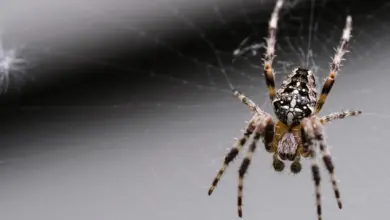
Many aquatic insects and their larvae, including dragonfly nymphs, beetles, and water bugs, are voracious predators of tadpoles. These insects use their powerful jaws and ambush tactics to capture tadpoles, especially the smaller or weaker individuals.
Amphibian Predators
Interestingly, some adult frogs and salamanders also prey on tadpoles. Cannibalism occurs in certain species, where larger or more dominant individuals consume smaller conspecifics. This behavior can reduce competition for resources and increase survival chances for the predator.
Reproduction and Life Cycle
Frogs and other amphibians lay hundreds or even thousands of eggs in water. These eggs hatch into tadpoles, which undergo a series of developmental stages before metamorphosing into adult amphibians. The reproductive strategy of producing many offspring compensates for the high predation rates during early life stages.
Egg Laying and Hatching
Female amphibians often select specific sites for egg deposition, such as calm pond edges or vegetated areas, to maximize offspring survival. Eggs are typically surrounded by a jelly-like substance that provides some protection from pathogens and predators. After days or weeks, depending on temperature and species, the eggs hatch into free-swimming tadpoles.
Metamorphosis
The transition from tadpole to adult frog can take from a few weeks to several months. During this process, tadpoles develop lungs, legs, and lose their tails. This metamorphosis is hormonally regulated and is critical for adapting from an aquatic to terrestrial environment.
Ecological Role of Tadpoles
Tadpoles are essential components of freshwater ecosystems. By consuming algae and detritus, they help maintain water quality and prevent algal blooms. Additionally, as prey species, they support populations of fish, birds, insects, and amphibians, thereby sustaining biodiversity and ecosystem stability.
Indicators of Environmental Health
Because of their sensitivity to pollution and habitat changes, tadpoles and amphibians in general serve as important bioindicators. Declines in tadpole populations may signal problems such as water contamination, habitat degradation, or climate change impacts.
Conservation Status and Threats
Many amphibian populations worldwide are declining due to habitat loss, pollution, disease, invasive species, and climate change. Tadpoles, being dependent on aquatic habitats, are particularly vulnerable to water pollution, pesticide runoff, and habitat fragmentation.
Conservation Efforts
Conservation measures include protecting wetland habitats, reducing pollutants, and monitoring amphibian populations. Some programs focus on captive breeding and reintroduction to support declining species. Public awareness and scientific research continue to play vital roles in amphibian conservation.
Interesting Facts About Tadpoles and Their Predators
- High Mortality Rate: Typically, only 1-3 tadpoles from hundreds of eggs survive to adulthood, showcasing the intense predation pressure and environmental challenges.
- Cannibal Tadpoles: Some tadpoles develop larger “cannibal morphs” with bigger jaws, enabling them to prey on smaller siblings.
- Predation by Birds: Kingfishers can dive into the water to catch tadpoles, demonstrating their remarkable hunting skills.
- Tadpoles as Ecosystem Engineers: By grazing on algae, tadpoles help maintain water clarity and oxygen levels, benefiting other aquatic organisms.
- Adaptations to Avoid Predators: Some tadpoles can detect chemical cues from predators and alter their behavior, such as reducing movement to avoid detection.