The diverse group known as **pipits** belongs to the genus Anthus, a fascinating assemblage of small passerine birds found almost worldwide. These birds are characterized by their slender bodies, medium to long tails, and their often subtle but intricate plumage patterns. Pipits are ground-dwelling insectivores that have adapted to a wide variety of habitats, ranging from grasslands and savannas to alpine tundra and rocky shores. With over 40 recognized species, pipits present a remarkable example of evolutionary adaptation to diverse ecological niches, making them a captivating subject for birdwatchers and ornithologists alike.
Scientific Classification
Pipits are classified within the family Motacillidae, which also includes wagtails and longclaws. The genus Anthus encompasses more than 40 species, making it one of the largest genera within this family. The name Anthus derives from Ancient Greek, meaning “a small grassland bird,” which aptly describes their typical habitats. Pipits are passerines, or perching birds, characterized by their anisodactyl feet arrangement, which facilitates their ground foraging lifestyle.
Some well-known pipit species include the **Richard’s Pipit** (Anthus richardi), **Paddyfield Pipit** (Anthus rufulus), **African Pipit** (Anthus cinnamomeus), and the **Meadow Pipit** (Anthus pratensis). Additionally, there are species with more localized distributions, such as the **Cameroon Pipit** (Anthus camaroonensis), sometimes considered a separate species due to its isolated population in the Cameroon Highlands. The genus also includes the **Australasian Pipit** (Anthus novaeseelandiae), which is widespread in Australia and New Zealand, and the **South Georgia Pipit** (Anthus antarcticus), the only passerine native to Antarctica.


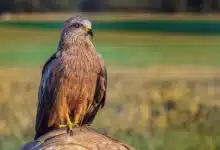
The genus is closely related to the monotypic genus Tmetothylacus, which includes the striking **Golden Pipit** (Tmetothylacus tenellus), sometimes grouped with pipits due to similarities in behavior and ecology, though it remains taxonomically distinct.
Geographic Range & Distribution
Pipits have a near-global distribution, inhabiting every continent except Antarctica—though the South Georgia Pipit represents a unique exception as the only passerine occurring on sub-Antarctic islands. These birds thrive in open habitats such as grasslands, savannas, tundra, moorlands, and agricultural fields. Their adaptability allows many species to occupy altitudes ranging from sea level to alpine zones above 4,000 meters.
The **Richard’s Pipit** is found across much of Asia, from Siberia south to India and Southeast Asia, and migrates to southern regions during the winter. In Africa, species like the **African Pipit** and **Sandy Pipit** (Anthus vaalensis) inhabit open savanna and grasslands across sub-Saharan Africa. The **Paddyfield Pipit** is common in South and Southeast Asia, often seen in cultivated fields and grasslands, while the **Australasian Pipit** occupies open country in Australia, Tasmania, New Zealand, and nearby islands.
In Europe, the **Meadow Pipit** and **Tree Pipit** (Anthus trivialis) are widespread across temperate zones, breeding in open woodlands and moorlands. North America hosts the **Buff-bellied Pipit** (Anthus rubescens), also known as the American Pipit, which breeds in the Arctic tundra and migrates southward during winter.
Some species have highly restricted ranges. For example, the **Nilgiri Pipit** (Anthus nilghiriensis) is endemic to the high-altitude grasslands of the Nilgiri Hills in southern India, while the **Sokoke Pipit** (Anthus sokokensis) is limited to the coastal forests of Kenya. These localized distributions make such species particularly vulnerable to habitat changes.
Physical Description
Pipits are generally small, slender birds, typically measuring between 14 and 18 centimeters in length. Their wingspan ranges from approximately 25 to 30 centimeters, and they usually weigh between 20 and 40 grams, depending on the species. Their plumage is predominantly buff, brown, and streaked, providing excellent camouflage against the grasses and soil of their preferred habitats.
Their long tails, often with white outer feathers, are a distinguishing feature and are frequently flicked or wagged—a behavior common to many species in the Motacillidae family. The plumage coloration is usually cryptic, with streaks along the back and breast aiding concealment from predators.
While many pipits exhibit subtle variations in coloration, some species stand out due to distinctive markings or coloration. The **Golden Pipit**, for instance, displays bright yellow and golden hues with striking black markings, setting it apart from the more subdued tones of its congeners. The **Rosy Pipit** (Anthus roseatus) shows a pinkish tinge on its underparts during the breeding season.
Sexual dimorphism is generally minimal or absent in pipits, meaning males and females appear similar. Juveniles often possess more pronounced streaking and duller plumage, gradually acquiring adult coloration after their first molt.
Behavior & Diet
Pipits are primarily ground-dwelling birds known for their distinctive walking or running gait as they forage across open landscapes. They feed mainly on insects and other small invertebrates, which they glean from the ground or catch in short flights. Their diet includes beetles, ants, spiders, caterpillars, and occasionally seeds, especially during colder months when insect availability declines.
These birds are agile foragers, often seen bobbing their tails and flicking their wings while moving through vegetation. Many pipit species are migratory, traveling thousands of kilometers between breeding and wintering grounds. For example, the **Richard’s Pipit** undertakes long-distance migrations from northern Asia to southern Asia and Southeast Asia during winter. According to WWF, this species is well documented.
In addition to foraging on open ground, pipits occasionally perch on low shrubs or fence posts to survey their surroundings. Their flight is typically low and fluttering but can become swift and direct during migration or when escaping predators. Vocalizations play an important role in communication, with species-specific calls and songs used to establish territories and attract mates. According to National Geographic, this species is well documented.
Breeding & Reproduction
Pipit breeding behaviors reflect their ground-nesting habits. Most species build cup-shaped nests concealed in grasses or among rocks. The female usually constructs the nest from grasses, moss, and other plant materials, lining it with finer items such as hair or feathers for insulation.
Clutch sizes vary but typically range from three to six eggs, depending on the species and environmental conditions. The eggs are usually pale with speckled or blotched markings that blend with the nesting environment, reducing predation risk. Incubation lasts about 12 to 14 days and is primarily the responsibility of the female, although males may assist in feeding the young once hatched.
Chicks are altricial, meaning they hatch blind and helpless, requiring extensive parental care. Both parents feed the nestlings a steady diet of insects and invertebrates to support rapid growth. Fledging occurs within two to three weeks, after which juveniles remain dependent on their parents for a short period before becoming fully independent.
Breeding seasons vary geographically but generally align with periods of abundant food supply. For example, in temperate regions, breeding occurs during spring and summer, while in tropical zones, it may be timed with rainy seasons that increase insect availability.
Conservation Status
The conservation status of pipits varies widely among species, reflecting their diverse distributions and habitat requirements. Many widespread species, such as the **Meadow Pipit** and **Richard’s Pipit**, are classified as Least Concern by the International Union for Conservation of Nature (IUCN) due to their large populations and broad ranges.
However, some species face significant threats due to habitat loss, fragmentation, and degradation. The **Nilgiri Pipit**, for instance, is listed as Vulnerable because of its restricted range in the shrinking montane grasslands of southern India. Similarly, the **Sokoke Pipit** is considered Endangered due to its dependence on a small area of coastal forest in Kenya, which is under pressure from logging and agriculture.
Conservation efforts for pipits often focus on habitat protection and restoration, particularly for those species specialized to grasslands and high-altitude environments. Maintaining large tracts of open habitat free from intensive agriculture or urbanization is crucial for their survival. Monitoring population trends and migratory patterns also helps inform conservation strategies, especially for migratory species vulnerable to changes along their routes.
Interesting Facts
Pipits exhibit several fascinating traits that highlight their ecological adaptations. One remarkable fact is the **South Georgia Pipit**’s status as the only songbird native to Antarctica and its sub-Antarctic islands. This species has adapted to cold, harsh environments by feeding on insects found among tussock grasses and surviving in one of the planet’s most extreme climates.
Another intriguing behavior seen in some pipits is their distinctive display flights during the breeding season. Males ascend high into the sky and perform fluttering, song-filled flights to attract females and establish territories. These aerial displays are often accompanied by their characteristic trilling songs, which can carry over long distances in open habitats.
While many pipits are similar in appearance, subtle differences in vocalizations and plumage patterns are key to species identification in the field. Birdwatchers often rely on song and call structure, as well as habitat preference and geographic location, to distinguish between closely related species.
Finally, pipits are important ecological indicators. Because many species are sensitive to changes in grassland and open habitats, their presence or absence can reveal insights into ecosystem health and the impacts of human activities such as agriculture, urban expansion, and climate change.
In summary, the genus Anthus represents a widespread and ecologically diverse group of birds that contribute significantly to the biodiversity of open landscapes worldwide. Their adaptability, subtle beauty, and intriguing behaviors continue to captivate nature enthusiasts and underscore the importance of conserving the habitats they depend on.