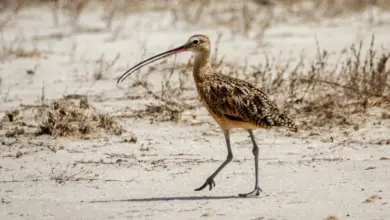
The Philippines is a treasure trove for bird enthusiasts and wildlife photographers alike, boasting an incredibly rich and diverse avifauna. With over 600 recorded bird species, including more than 200 endemic species found nowhere else on Earth, the archipelago offers a unique window into tropical birdlife. From the strikingly colorful hornbills and kingfishers to elusive forest-dwelling species, the birds of the Philippines provide endless fascination for nature lovers. This article explores the taxonomy, distribution, physical traits, behavior, reproduction, and conservation status of Philippine birds, aiming to deepen appreciation and understanding of these remarkable creatures.
Scientific Classification
The avian fauna of the Philippines encompasses a wide array of families and genera, reflecting the country’s varied habitats and complex biogeographical history. The birds belong primarily to the class Aves, with many species classified under orders such as Passeriformes (perching birds), Coraciiformes (kingfishers and rollers), Bucerotiformes (hornbills), and Accipitriformes (birds of prey). The endemic species often represent unique evolutionary lineages, such as the Philippine Eagle (Pithecophaga jefferyi), the world’s largest eagle, and the Luzon Bleeding-heart (Gallicolumba luzonica), a ground dove with distinctive chest markings. These classifications are based on morphological characteristics, vocalizations, and increasingly, genetic studies that have refined our understanding of species relationships within this biodiversity hotspot.
Taxonomically, the Philippines is part of the Indomalayan realm but exhibits strong affinities with both mainland Southeast Asia and the Australasian fauna due to its island nature. This has resulted in a diverse mix of bird families, including endemic genera that have evolved in isolation. For example, the genus Rhabdornis, known as Philippine creepers, is endemic to the archipelago and is taxonomically intriguing due to its unique adaptations to forest habitats. Overall, the bird species found here showcase a remarkable evolutionary history shaped by island biogeography, making the Philippines a key region for ornithological research.



Geographic Range & Distribution
The Philippines consists of over 7,600 islands spread across the western Pacific Ocean, creating a complex mosaic of habitats ranging from lowland tropical forests and mangroves to montane cloud forests and coastal wetlands. The distribution of bird species mirrors this habitat diversity, with some species widespread across multiple islands and others restricted to isolated mountain ranges or specific islands. For instance, the Philippine Eagle, a flagship species, is primarily found in the old-growth forests of Luzon, Samar, Leyte, and Mindanao. In contrast, the Palawan Peacock-Pheasant (Polyplectron napoleonis) is endemic to the island of Palawan, occupying dense forest undergrowth.
Bird distribution in the Philippines is also influenced by elevation and habitat type. Lowland forests are home to birds such as the Ashy Thrush (Geokichla cinerea) and the Philippine Bulbul (Hypsipetes philippinus), whereas montane forests may harbor specialized species like the Flame-crowned Flowerpecker (Dicaeum kampalili) found in Mindanao’s highlands. Wetland and coastal zones provide critical habitat for migratory shorebirds and waterfowl, including species like the Whiskered Tern (Chlidonias hybrida) and the Philippine Duck (Anas luzonica), the latter being a vulnerable endemic waterfowl.
Philippine islands also serve as important stopover points for migratory birds traveling along the East Asian-Australasian Flyway. Some vagrant or wintering species, such as certain sandpipers and plovers, use the country’s coastal mudflats and mangroves during migration seasons. This rich geographic and ecological variety makes the Philippines a prime destination for birdwatchers seeking both endemic and migratory species.
Physical Description
The physical appearance of Philippine birds varies widely, reflecting their adaptation to diverse environments. Many species are brightly colored, such as the vibrant Rufous Hornbill (Buceros hydrocorax), whose large curved bill and striking black and orange plumage make it one of the most iconic birds in the country. This hornbill measures approximately 70 to 75 centimeters in length with a wingspan around 1.3 meters and weighs between 1.2 to 2 kilograms. Its large casque atop the bill is a prominent feature used in display and communication.
Other birds, such as the Philippine Trogon (Harpactes ardens), display iridescent plumage with deep reds and greens, while the diminutive flowerpeckers and sunbirds showcase brilliant blues, yellows, and reds, often with metallic sheens. The Luzon Bleeding-heart is named for its distinctive red patch on the chest, resembling a bleeding wound, contrasting with its otherwise soft brown and gray feathers. This ground dove is relatively small, measuring about 25 centimeters in length and weighing around 100 grams.
Size range among Philippine birds is considerable. The Philippine Eagle, one of the largest eagles globally, can reach a length of 86 to 102 centimeters and a wingspan of up to 2.2 meters, weighing between 4.5 to 8 kilograms. On the other end of the spectrum, tiny species like the Pygmy Flowerpecker (Dicaeum pygmaeum) are as small as 7 to 8 centimeters and weigh only a few grams. Such extremes illustrate the rich morphological diversity adapted to a variety of ecological niches.
Behavior & Diet
Bird behavior in the Philippines is as diverse as their appearance. Many species are arboreal, spending most of their time in forest canopies feeding on fruits, insects, and small vertebrates. For example, the Philippine Hornbill primarily consumes fruit but will opportunistically eat small animals, contributing to seed dispersal crucial for forest regeneration. Similarly, sunbirds and flowerpeckers are important pollinators, feeding on nectar from a variety of flowering plants, often hovering or perching delicately to extract it.
Predatory birds such as the Philippine Eagle exhibit impressive hunting behaviors, preying on monkeys, snakes, and other medium-sized mammals and birds. These eagles are solitary and territorial, using keen eyesight to hunt from high perches. Many passerines, like bulbuls and drongos, display social behaviors, forming mixed-species flocks that forage together for insects and fruits, enhancing feeding efficiency and predator detection.
Some species show remarkable vocal abilities, using complex calls and songs for communication and territorial defense. The Philippine Magpie-Robin (Copsychus mindanensis) is known for its melodious song, often heard at dawn and dusk. Migratory birds that visit the Philippines seasonally rely on coastal wetlands and mudflats, feeding on invertebrates, fish, and small crustaceans. Overall, dietary habits range from strict frugivory and nectarivory to insectivory and carnivory, illustrating the ecological roles these birds play in their habitats. According to RSPB, this species is well documented.
Breeding & Reproduction
Breeding strategies among Philippine birds vary widely but are generally adapted to the tropical climate and seasonal availability of resources. Many forest birds breed during the rainy season, when food is abundant. Nesting sites range from forest canopies and tree cavities to ground nests hidden in dense vegetation. The Philippine Eagle, for example, builds massive nests high in the canopy, often reusing them for several years. They typically lay one to two eggs per clutch, with an extended incubation period of about 58 days and prolonged parental care, a reflection of their slow reproductive rate. According to Cornell Lab of Ornithology, this species is well documented.
Smaller bird species, such as the flowerpeckers and sunbirds, construct delicate cup-shaped nests suspended from thin branches. These species often have multiple broods per year to offset their shorter lifespans. Some species exhibit cooperative breeding, where other group members assist the breeding pair in raising the young. Courtship displays vary greatly, from the aerial acrobatics of kingfishers to the elaborate vocalizations and plumage displays of bulbuls and hornbills.
Philippine birds generally have altricial young, meaning chicks hatch helpless and require intensive parental feeding and protection. This high parental investment ensures higher survival rates in the competitive tropical environment. The diverse reproductive behaviors reflect adaptations to island life, where competition, predation, and environmental conditions influence breeding success.
Conservation Status
The conservation status of many Philippine birds is cause for concern, as habitat loss, hunting, and the illegal wildlife trade continue to threaten their populations. The International Union for Conservation of Nature (IUCN) lists several species as critically endangered, endangered, or vulnerable. The Philippine Eagle (Pithecophaga jefferyi), for example, is classified as Critically Endangered, with fewer than 400 mature individuals estimated to remain in the wild. Deforestation for logging, agriculture, and mining poses the greatest threat to this apex predator and numerous forest-dependent birds.
The Palawan Peacock-Pheasant (Polyplectron napoleonis), endemic to the island of Palawan, is classified as Vulnerable due to habitat loss and hunting pressure. Other species, such as the Philippine Duck and the Visayan Hornbill (Penelopides panini), are also vulnerable or near threatened, highlighting the urgent need for habitat protection and sustainable management. Conservation efforts include protected area establishment, community-based forest management, captive breeding programs, and environmental education aimed at reducing hunting and trapping.
Despite these challenges, the Philippines has made significant strides in conservation, with several national parks and wildlife sanctuaries safeguarding critical habitats. International partnerships and local grassroots initiatives continue to play a vital role in preserving the country’s irreplaceable avian diversity. Birdwatching tourism also provides economic incentives for habitat conservation, promoting awareness and sustainable development.
Interesting Facts
The Philippines is home to some fascinating bird species with unique adaptations and cultural significance. The Philippine Eagle, often called the “Monkey-eating Eagle,” is not only the national bird but also among the largest and most powerful eagles globally, capable of taking prey as large as monkeys and flying squirrels. Its striking crest of feathers and large, piercing yellow eyes make it instantly recognizable.
Another remarkable species is the Philippine Cockatoo (Cacatua haematuropygia), known locally as the “Katala,” which has a vivid white plumage with a striking red tail and is one of the rarest cockatoos in the world. It is a symbol of conservation efforts in Palawan, where intensive habitat protection and captive breeding have helped stabilize its population.
The Luzon Bleeding-heart’s distinctive red chest patch is an adaptation thought to play a role in species recognition and mating. Meanwhile, the Palawan Hornbill (Anthracoceros marchei) is notable for its loud, resonant calls that echo through the forest and its striking black and white plumage.
Many Philippine birds have cultural and spiritual significance among indigenous communities, often featured in myths, folklore, and traditional art. Their vivid colors and elaborate calls make them favorite subjects for wildlife photographers, who travel extensively across the archipelago to capture their beauty in natural settings. The diversity and endemicity of Philippine birds make the country a global hotspot for ornithologists and birdwatchers alike, underscoring the importance of continued research and conservation.
In summary, the birds of the Philippines represent a vibrant and essential component of the country’s natural heritage. Their rich diversity, striking appearances, and varied behaviors offer endless opportunities for study, appreciation, and conservation. Whether soaring high above the forest canopy or flitting through dense understory, these birds embody the ecological richness and beauty of the Philippine archipelago.