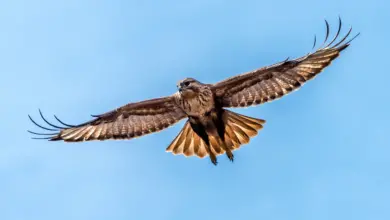
Pernis is a fascinating genus of raptors belonging to the subfamily Perninae, known commonly as honey buzzards. These medium-sized birds of prey are notable for their unique dietary specialization and intriguing behavior. Comprising three distinct species, the genus includes the European Honey Buzzard (Pernis apivorus), the Oriental Honey Buzzard (Pernis ptilorhynchus), and the Barred Honey Buzzard (Pernis celebensis). These birds inhabit a wide range of temperate and tropical regions across the Old World, displaying remarkable adaptations that enable them to exploit a niche diet primarily consisting of wasp larvae and other social insects.
Scientific Classification
The genus Pernis falls within the family Accipitridae, which encompasses hawks, eagles, kites, and buzzards. Specifically, these birds are part of the subfamily Perninae, a group characterized by raptors that often specialize in feeding on insects or small vertebrates, rather than pursuing larger prey. Pernis was first described in the early 19th century and has since been recognized as a distinct lineage within the buzzard grouping. The three recognized species are the European Honey Buzzard (Pernis apivorus), the Oriental Honey Buzzard (Pernis ptilorhynchus), and the Barred Honey Buzzard (Pernis celebensis), each with unique traits and distributions. Molecular studies have confirmed their close relationships while highlighting differences that likely arose due to geographical separation and ecological specialization.
These birds are sometimes mistaken for other raptors due to their plumage, but they possess distinctive morphological features such as elongated necks and narrower heads compared to typical buzzards. Their scientific name, Pernis, is derived from classical Greek, meaning a type of bird of prey, reflecting their predatory nature despite their unusual diet.


Geographic Range & Distribution
Members of the genus Pernis are widespread across the Old World, occupying diverse habitats from the temperate forests of Europe to the tropical rainforests of Southeast Asia. The European Honey Buzzard (Pernis apivorus) breeds across much of Europe and parts of western Asia, extending from the Iberian Peninsula in the west to the Ural Mountains in the east. This species is strongly migratory, undertaking long-distance migrations to wintering grounds in tropical Africa, often as far south as the Congo Basin. Their migration routes typically follow major geographical features such as the Mediterranean Sea and the Nile Valley.
The Oriental Honey Buzzard (Pernis ptilorhynchus) has a broad range across Asia, breeding in temperate and subtropical forests from Siberia and northeastern China down through Japan, Korea, and Taiwan, reaching as far south as parts of the Indian subcontinent and Southeast Asia. This species is also migratory, moving to southern Asia and the Indonesian archipelago during the winter months.
The Barred Honey Buzzard (Pernis celebensis), in contrast, is more localized. It is endemic to the island of Sulawesi in Indonesia, where it inhabits lowland and montane forests. Unlike its temperate relatives, the Barred Honey Buzzard is generally non-migratory, taking advantage of the year-round warm climate and stable food resources.
Across their ranges, honey buzzards favor mature woodlands and forests, often nesting high in tall trees. Their presence is closely linked to the availability of social insects, particularly wasps and hornets, which form the core of their diet.
Physical Description
Honey buzzards are medium-sized raptors with broad wings adapted for soaring and gliding through forested environments. Adult European Honey Buzzards typically measure between 50 and 60 centimeters in length, with a wingspan ranging from 110 to 135 centimeters. Males weigh around 600 to 1,000 grams, while females are slightly larger, weighing up to 1,200 grams. The Oriental Honey Buzzard is similar in size, with length between 45 and 60 centimeters and a wingspan of approximately 120 to 140 centimeters. The Barred Honey Buzzard tends to be slightly smaller, measuring around 45 to 55 centimeters long.
One of the most striking features of Pernis species is their plumage, which offers excellent camouflage. Their coloration often mimics that of juvenile Common Buzzards (Buteo buteo) or even certain hawk-eagles in the genus Spizaetus. This mimicry is thought to provide protection by deterring attacks from larger raptors such as goshawks (Accipiter gentilis), which might be cautious about engaging what appears to be a more formidable predator. The plumage typically consists of brown, beige, and rufous tones with barred patterns on the underparts, especially in the Barred Honey Buzzard, which displays prominent horizontal barring on the chest and belly.
Honey buzzards have relatively small heads with long necks and thin, hooked bills, adapted for extracting larvae from nests. Their legs are less robust than other raptors, with scales that provide protection against stings when raiding wasp nests. Their talons are also relatively weak compared to other birds of prey, reflecting their specialized diet that does not require seizing large or struggling animals.
Behavior & Diet
The genus Pernis exhibits unique behavioral traits closely tied to their specialized diet. Honey buzzards primarily feed on the larvae and pupae of wasps and hornets, making them one of the few raptors with an insectivorous focus. This diet demands specific adaptations, including a resistance to stings and a methodical approach to locating and raiding nests.
These birds use their keen sense of smell and sight to detect nests hidden in trees or underground. Once located, a honey buzzard employs its strong, curved bill to break open nests and extract the nutritious larvae inside. Their feathers and scales provide some protection against stings, while their behavior minimizes exposure — they often approach swiftly and retreat quickly after feeding.
Besides wasp larvae, honey buzzards also consume other insects, including ants and beetle larvae, as well as occasional small mammals, birds, and amphibians, though these form a minor part of their diet. Their foraging often involves soaring over forests, searching for signs of nest activity, and they are known to be opportunistic feeders when insect prey is scarce.
Honey buzzards tend to be shy and inconspicuous, often remaining hidden within the forest canopy except during breeding displays or migration. Their flight is characterized by slow, deliberate wingbeats interspersed with gliding, and they can be seen soaring high during migration seasons.
Breeding & Reproduction
Honey buzzards are solitary or paired during the breeding season, which varies depending on the species and geographic location. In the European Honey Buzzard, breeding typically occurs from late April through July. These birds build large stick nests high in mature deciduous or mixed forests, often reusing old nests of other raptors or crows. The Oriental Honey Buzzard follows a similar breeding schedule, while the Barred Honey Buzzard’s breeding season aligns with the tropical climate of Sulawesi, often from March to May. According to Audubon Society, this species is well documented.
A typical clutch consists of one to three eggs, usually two, which are incubated primarily by the female for about 30 to 40 days. Both parents participate in feeding the chicks after hatching. The nestlings fledge approximately 40 to 50 days after hatching, though they may depend on their parents for food and protection for several additional weeks. According to RSPB, this species is well documented.
Honey buzzards display various courtship behaviors, including soaring displays and vocalizations. Their calls are often described as high-pitched whistles or piping notes, which are more commonly heard during the breeding season. Despite their secretive nature, these displays are critical for pair bonding and territory establishment.
Conservation Status
The conservation status of the genus Pernis varies by species but is generally stable across much of their range. According to the International Union for Conservation of Nature (IUCN), the European Honey Buzzard (Pernis apivorus) is listed as Least Concern due to its wide distribution and large population, though it faces threats from habitat loss, pesticide use, and collisions with man-made structures during migration.
The Oriental Honey Buzzard (Pernis ptilorhynchus) is also considered Least Concern, benefiting from a vast range and adaptability to different forest types, including secondary growth. However, habitat degradation in parts of Southeast Asia could impact local populations.
The Barred Honey Buzzard (Pernis celebensis), with its restricted range on Sulawesi, is less well studied but currently classified as Least Concern. Still, deforestation and habitat fragmentation on the island pose potential threats. Conservation efforts focusing on protecting forest habitats are essential for the long-term survival of these birds.
Overall, honey buzzards are indicators of healthy forest ecosystems, and their presence can reflect the abundance of social insects and intact habitats. Conservation measures that preserve mature woodlands and reduce pesticide use benefit these specialized raptors as well as broader biodiversity.
Interesting Facts
One of the most captivating aspects of honey buzzards is their remarkable mimicry of other raptors. Their plumage closely resembles juvenile Common Buzzards or even small hawk-eagles, which may deter predators by suggesting a more formidable opponent. This form of protective mimicry is relatively rare among birds of prey and highlights the evolutionary pressures honey buzzards face.
Honey buzzards have also evolved a tolerance to the venomous stings of wasps and hornets, allowing them to raid nests that would be inaccessible to most other predators. Their scales on the legs are unusually thick, providing a physical barrier against stings, and their feathers offer additional protection.
During migration, European and Oriental Honey Buzzards are known for their long and challenging journeys, often crossing vast bodies of water and deserts. They are strong fliers, capable of soaring on thermals for hours, conserving energy as they travel thousands of kilometers between breeding and wintering grounds.
Despite their name, honey buzzards do not consume honey. Instead, the term “honey” refers to their preference for the larvae of honey-producing insects like wasps and bees. This specialization is unique among raptors and underscores their role as insect predators in forest ecosystems.
Finally, their secretive behavior and forest habitats make honey buzzards a prized sighting for birdwatchers and wildlife photographers. Observing their soaring flight or distinctive display behaviors offers a glimpse into the complex lives of these specialized raptors.
Conclusion
The genus Pernis represents a unique and specialized group of raptors that have carved out an extraordinary niche in the avian world. From their insectivorous diet focused on wasp larvae to their remarkable mimicry and migratory endurance, honey buzzards captivate the interest of ornithologists and nature enthusiasts alike. Their widespread presence across the Old World, combined with adaptations that allow them to thrive in diverse forest environments, underscores their ecological importance.
Understanding and protecting these birds and their habitats is crucial, not only for their survival but also for maintaining the balance of forest ecosystems where social insects play vital roles. As indicators of healthy woodland environments, honey buzzards remind us of the intricate connections in nature and the wonders that specialized species contribute to global biodiversity.