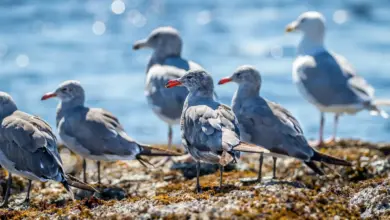
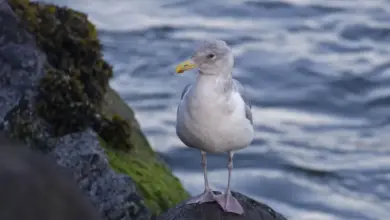
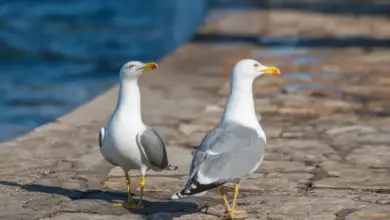
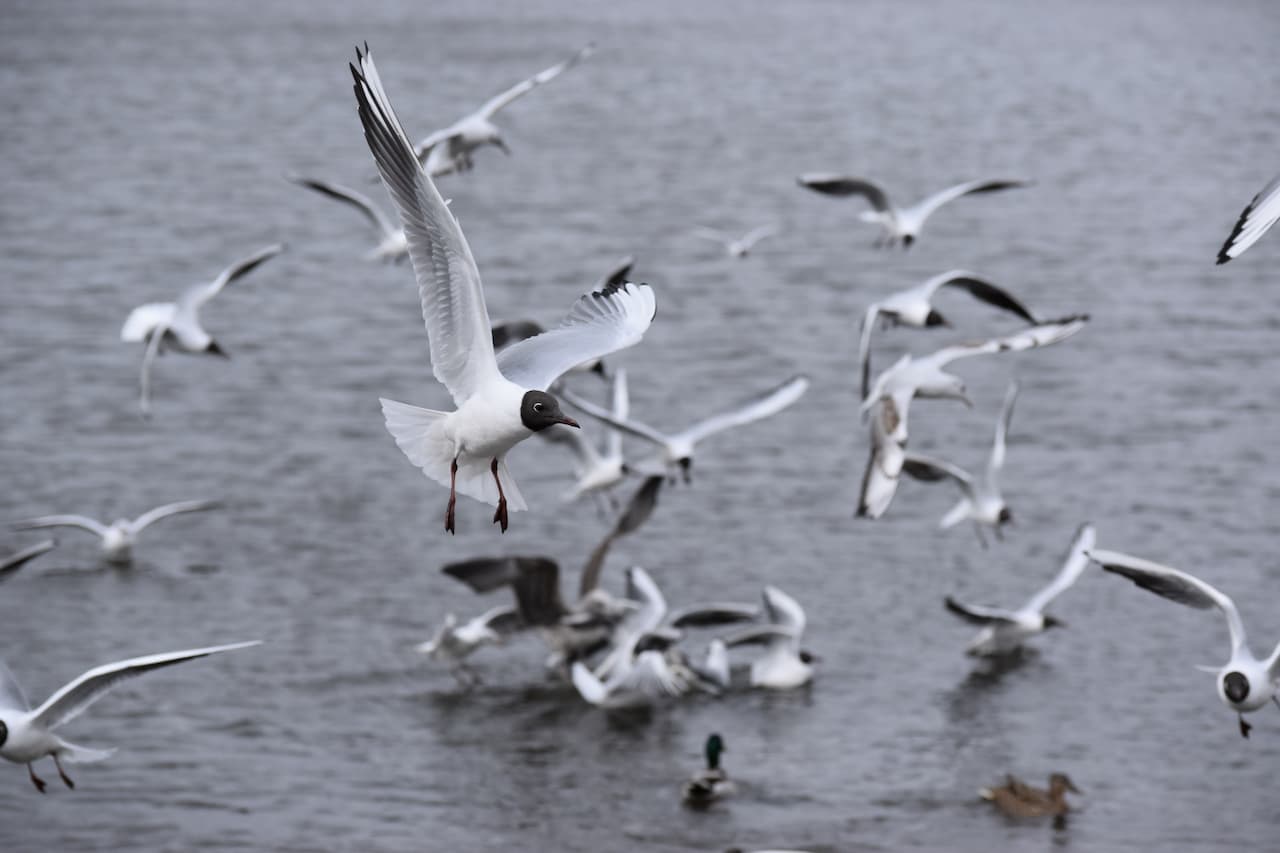
The Ivory Gull (Pagophila Eburnea) inhabits harsh and icy landscapes in the high Arctic. The Ivory Gull, as the only member of its genus in the gull family, has intrigued ornithologists and researchers for decades. The Ivory Gull, with its pristine white feathers, scavenging habits, and close ties to the sea ice, is more than a pretty Arctic resident. It’s a sentinel for monitoring the health of and polar ecosystem. This comprehensive overview will cover everything from the Ivory Gull’s unique physical features and feeding habits to its breeding behaviour, migratory pattern, and conservation challenges that it faces.
Taxonomy of the Ivory Gull
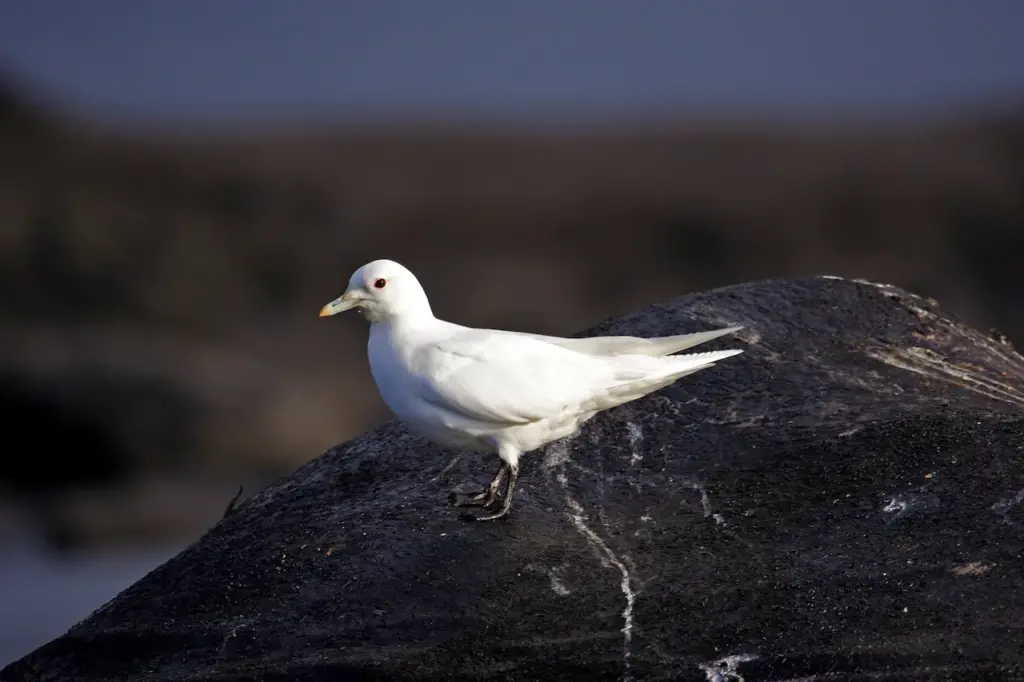
The Ivory Gull, scientifically known as Pagophila Eburnea, is the only representative of the Pagophila species. The Greek name Pagophila, which means “ice-loving,” is the genus’ name. It perfectly captures this gull’s love of sea ice habitats and Arctic environments. The feathers of this species are ivory-white in colour. Ivory Gulls are relatively small compared to other gull species. They measure about 43cm (17 inches). Ivory Gulls are more delicate and pigeon-like than the larger and more robust Larus Gulls. This shape enhances their flight and agility over the icy landscapes.
The white feathers of the adult Ivory Gulls give them an ethereal appearance in the Arctic snow. The lack of grey on their backs, which is common in other gull species, enhances the camouflage they have against snowy and icy surfaces. The feet and legs are black. This further differentiates them from other gull species. Juvenile Ivory Gulls are dusky in colour and have black streaking on the wings and tail. They retain this pattern for two years, until they attain their full adult plumage. Ivory Gulls have a nasal, harsh vocalisation that is often heard echoing along ice flows and coastal rocks.


Distribution and Habitat
This gull has a circumpolar distribution, with breeding grounds that stretch across northernmost Canada (especially Nunavut), Greenland, Svalbard and parts of Arctic Russia. The breeding grounds of this gull extend across northernmost Canada, especially Nunavut, Greenland and Svalbard. They prefer nesting on remote, rocky Arctic coastlines and cliffs close to open water and persistent sea ice, two essential elements for breeding and survival.
The Ivory Gull moves only slightly southward during the limited migration behaviour. The majority of individuals remain close to the edge of the pack ice to access feeding opportunities. Ivory Gulls may also venture further south to more temperate areas. They can be seen along the northeastern coast of Canada and even in the northwestern United States.
Breeding and Reproduction
Ivory Gulls nest during the Arctic summer. This is usually between July and August when temperatures are just high enough to encourage nesting. Nesting sites are chosen based on their safety from predators and proximity to food. Nests are built on inaccessible rocks, gravel bars or coastal islands. Adults scrape out a shallow depression and then line it with feathers, lichens or seaweed.
Both parents incubate the eggs for approximately 24 to 28 days. The chicks must be fed and protected by both parents after hatching. The young leave the nest in about 5 to 6 weeks, but are still dependent on their parents for a few days. Breeding success rates depend on food availability and weather conditions, as well as predation from animals such as Arctic Foxes and Jaegers.
Food and feeding behaviour
Ivory Gulls’ Diet is unique to their icy habitat. Opportunistic Feeders are capable of scavenging, hunting and foraging depending on the situation. They catch their primary prey near the open leads of sea ice, including fish and crustaceans. Ivory Gulls may be best known for their hunting habits. The Ivory Gulls are often seen eating the carcasses of whales, seals, walruses and porpoises. They also closely follow polar bears to feed on their leftovers.
This behaviour not only serves as a survival tactic, but it also has an important role in Arctic environments by helping to recycle nutrients. They can consume decomposing organic matter, and their beaks are strong enough to tear through tough skin or blubber. Ivory Gulls often congregate near marine mammals’ haul-outs and predator kill sites because of their scavenging behaviour. According to WWF, this species is well documented.
Migration and seasonal movement
Ivory Gulls migrate a relatively short distance. This is often dictated by the advance and retreat of sea ice. They move just far enough southward to stay near the edge of the pack ice, where they can access open water to feed. They are closely linked to the dynamics of ice, and the shrinking extent of sea ice as a result of climate change has significantly affected their migration and distribution. According to National Geographic, this species is well documented.
Irruptions in southern regions are sometimes seen, usually triggered by extreme weather conditions or food shortages in the Arctic. These movements can be unpredictable and sporadic, but offer rare opportunities to observe this Arctic species in temperate areas.
Conservation Status and Threats
Ivory Gulls are faced with numerous threats despite their ability to adapt to extreme weather conditions. Many of these threats are caused directly or indirectly by human activity. Climate Change is the most pressing issue, as it is affecting the Arctic ecosystem rapidly. Melting Sea Ice, increasing temperatures, and changing prey availability have disrupted the Ivory Gull’s traditional nesting and feeding areas. Ice is formed later in the season and melts sooner. This leaves Ivory Gulls with less space and time to breed, hunt and raise their young.
Pollution is another serious problem. Ivory Gulls are top scavengers and accumulate high levels of toxins from the carcasses that they consume. This includes mercury, cadmium and persistent organic pollutants. Ivory Gulls have some of the highest mercury concentrations in Arctic seabirds. This raises concern about their reproductive health and viability. Plastic ingestion and oil spills are also a growing threat to the Arctic’s fragile population.
The IUCN has classified the Ivory Gull as Near Threatened. In Canada, the Ivory Gull’s population has declined by more than 80% over the past decade. Conservation efforts now focus on habitat preservation and pollution prevention. A climate mitigation strategy is also being considered. International agreements, such as the Migratory Birds Convention Act, and protection designations by BirdLife International are essential in protecting this vulnerable species.
The Ivory Gull and Arctic Ecosystems
The Ivory Gull serves as an important bioindicator of the health and well-being of Arctic marine ecosystems. Ivory Gulls are highly dependent on sea ice and feed at the top of the food chain. Any disruptions to the Arctic food web, whether from rising ocean temperatures, decreasing fish stocks or reduced sea ice, will likely impact them early and severely. Ivory Gull monitoring provides insight into the effects of climate change in the polar regions.
Ivory Gulls are also of scientific and cultural significance. Researchers are studying them to gain a deeper understanding of climate impacts, pollution pathways, and Arctic biodiversity. In some Arctic regions, they are integral to the seasonal landscape and traditional knowledge systems of Indigenous communities.
Final Thoughts
The Ivory Gull (Pagophilaeburnea), a majestic Arctic seabird, is closely tied to its environment’s survival. The Ivory Gull is an example of how evolution can adapt to any situation. From its white plumage, to its scavenging habits, to its limited migration range and its reliance on the sea ice. The future of the Ivory Gull is uncertain, however, as the Arctic undergoes rapid transformation. The Ivory Gull’s future is uncertain, but scientific collaboration and climate change will help to ensure that it continues to soar over the sea ice. The Ivory Gull, for birders, scientists, and conservationists, is more than a rare sight. It’s also an icon of Arctic resilience and a reminder of what we could lose if our efforts to protect the Arctic fail.
Protect the most vulnerable ecosystems on our planet.