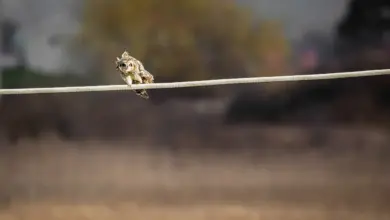
The Striped Cuckoo, Tapera naevia, is a fascinating and unique bird species native to the tropical and subtropical regions of the Americas. Known for its distinctive streaked plumage and secretive behavior, this near-passerine bird is the sole representative of the genus Tapera. The Striped Cuckoo holds a special place in both natural ecosystems and cultural folklore, especially in South America. Its intriguing life history, including its brood parasitic breeding strategy, adds to the allure of this species among birdwatchers and wildlife enthusiasts. This article explores the Striped Cuckoo’s taxonomy, range, appearance, behavior, diet, reproduction, conservation status, and some captivating facts about this remarkable bird.
Scientific Classification
The Striped Cuckoo belongs to the family Cuculidae, which includes cuckoos, roadrunners, and anis. Its scientific name is Tapera naevia, with the genus Tapera established by Carl Peter Thunberg in 1819. It is classified as a near-passerine bird due to its evolutionary relationship to the passerines or perching birds, although it is not a true songbird. The genus Tapera is monotypic, containing only this single species, which highlights its distinct evolutionary lineage within the cuckoo family. The species was first described by the German naturalist Johann Friedrich Gmelin in 1788.
The family Cuculidae is well-known for the diverse breeding strategies its members employ, with the Striped Cuckoo being a prime example of brood parasitism—a reproductive strategy where the female lays eggs in the nests of other bird species. This adaptation has intrigued ornithologists for decades and marks the Striped Cuckoo as an important study subject in avian ecology and evolutionary biology.






Geographic Range & Distribution
The Striped Cuckoo inhabits a broad range across Central and South America, making it a resident bird from Mexico and the island of Trinidad in the north, extending southwards through a wide swath of countries including Venezuela, Colombia, Ecuador, Peru, Bolivia, and reaching as far as northern Argentina. This distribution places the species primarily within the Neotropical realm, where it occupies a variety of habitats.
Its preferred habitats include open country with scattered trees, shrublands, forest edges, and the margins of mangrove forests. The bird is often found in semi-open environments rather than dense forest interiors, favoring areas where it can move stealthily among bushes and low trees. Because of this preference, the Striped Cuckoo is commonly observed in agricultural landscapes, savannas, and secondary growth forests. Its adaptability to altered landscapes has helped maintain stable populations across much of its range despite increasing habitat fragmentation.
Elevation-wise, the Striped Cuckoo typically inhabits lowlands and foothills up to around 1,500 meters (4,900 feet), although it is most commonly recorded at lower elevations where its host species are abundant. The widespread range and variety of environments it occupies contribute to its relative commonness within its distribution.
Physical Description
The Striped Cuckoo is a medium-sized bird measuring approximately 27 centimeters (about 10.6 inches) in length and weighing around 40 grams (1.4 ounces). Its wingspan generally ranges between 30 and 35 centimeters (12 to 14 inches). The bird’s overall appearance is characterized by a slender body and a long, graduated tail that aids in agile movement through dense vegetation.
The adult Striped Cuckoo sports a distinctive plumage that provides excellent camouflage in its natural habitat. The upperparts are predominantly grey-brown, streaked heavily with black and buff-colored markings that give the species its common name. These streaks run lengthwise on the back and wings, blending seamlessly with branches and leaves. A pale supercilium, or eyebrow stripe, runs above the eye, enhancing facial contrast. One of the bird’s most striking features is its chestnut and black crest, which can be raised during displays or moments of alertness, adding a splash of color to an otherwise muted palette.
The underparts are off-white or creamy, contrasting subtly with the darker upper body. The long tail is graduated, with each feather tapering slightly to create a layered effect that aids in maneuverability. Juvenile birds differ from adults by showing a more rufous tone on the back and wings along with buff-colored spots, which gradually fade as they mature. This juvenile plumage helps reduce detection by predators during their vulnerable early life stages.
Behavior & Diet
The Striped Cuckoo is primarily solitary and somewhat shy, often remaining hidden within dense shrubs and undergrowth. Despite its secretive nature, it is known to perch in more exposed locations when singing or calling, especially during the breeding season. Its vocalizations are distinctive and simple, usually consisting of two or three clear, whistled notes that sound like “wu-weee” or “wu-wu-wee.” These calls are repetitive and melodious, making the bird easier to detect by experienced birdwatchers. Playback of these calls can sometimes attract individuals, a useful technique for ornithologists and photographers.
This bird feeds mainly on large insects, which it often gleans from the ground or low vegetation. Its diet includes caterpillars, beetles, grasshoppers, and various other arthropods, some of which may be unpalatable or toxic to other birds, indicating a degree of dietary specialization. The Striped Cuckoo’s feeding technique involves careful searching and quick snatching of prey, aided by sharp eyesight and agile movements. Occasionally, it may supplement its diet with small lizards or other invertebrates, though insects remain its primary food source.
Its secretive and shy behavior, combined with its preference for dense cover, makes the Striped Cuckoo a somewhat elusive species in the wild. However, its clear vocalizations and distinctive plumage provide reliable identification markers for those familiar with the species. According to eBird, this species is well documented.
Breeding & Reproduction
One of the most remarkable aspects of the Striped Cuckoo’s life history is its reproductive strategy as an obligate brood parasite. Unlike many bird species that build nests and raise their young, the Striped Cuckoo lays its eggs in the nests of other small birds, leaving the responsibility of incubation and rearing to its unsuspecting hosts. This behavior is common among many cuckoo species but is relatively rare among Neotropical cuckoos. According to Audubon Society, this species is well documented.
The primary hosts for the Striped Cuckoo are spinetails, small passerines belonging to the genus Cranioleuca, which build domed nests made of sticks. Wrens and other small bird species with similar nesting habits are also occasionally parasitized. The female Striped Cuckoo carefully selects a suitable host nest and deposits one or, less commonly, two eggs. These eggs are typically white or bluish and mimic the appearance of the host’s own eggs to reduce the chances of rejection.
Incubation lasts about 15 days, after which the cuckoo chick hatches and often immediately ejects the host’s eggs or young from the nest, thereby eliminating competition for food and parental care. The cuckoo chick is fed and protected by the foster parents for approximately 18 days until it fledges. This parasitic strategy allows the Striped Cuckoo to invest energy in producing more offspring without the demands of parental care, but it also depends heavily on the availability of appropriate host species.
Conservation Status
The Striped Cuckoo is currently classified as Least Concern by the International Union for Conservation of Nature (IUCN). This status reflects its wide geographic range, stable population trend, and adaptability to various habitats, including disturbed and secondary growth areas. The species does not face any major threats at a global scale, although localized habitat loss due to deforestation and land conversion may impact certain populations.
Its reliance on specific host species for breeding means that any significant declines in populations of spinetails or other hosts could indirectly affect the Striped Cuckoo. However, the host species themselves are generally common and widespread, which buffers the cuckoo from immediate risk. Conservation efforts focused on maintaining healthy ecosystems and forest edges will benefit the Striped Cuckoo and countless other associated species.
Overall, the bird’s ability to thrive in a range of environments and its widespread distribution contribute to a positive outlook for its continued survival. Nonetheless, ongoing monitoring is essential to detect any future changes in population dynamics or habitat quality.
Interesting Facts
The Striped Cuckoo holds a special place in Brazilian folklore, where it is known by many local names such as matita-perê, saci, matinta-pereira, and martim-pererê, among others. These names reflect the bird’s cultural significance and its association with mythical creatures and legends, particularly the saci—a one-legged trickster figure in Brazilian mythology. The bird’s mysterious calls and shy behavior have inspired numerous stories and songs, including a notable mention in the classic Brazilian song “Águas de Março” by Antônio Carlos Jobim.
Beyond its folklore connections, the Striped Cuckoo’s brood parasitic habit fascinates many naturalists. Unlike some Old World cuckoos that specialize on a narrow range of hosts, the Striped Cuckoo parasitizes several species, adapting its egg-laying strategy accordingly. Its ability to mimic the appearance of host eggs is a sophisticated evolutionary adaptation that reduces egg rejection and increases reproductive success.
Additionally, the bird’s crest, which can be raised dramatically, serves as a visual display during courtship or territorial disputes. This feature, combined with its streaked plumage and elongated tail, makes it both a beautiful and intriguing subject for wildlife photographers and birdwatchers alike.
Finally, the Striped Cuckoo’s insectivorous diet helps control populations of potentially harmful insects, contributing to the ecological balance in its habitat and highlighting its role within the food web.
In conclusion, the Striped Cuckoo, Tapera naevia, is a remarkable bird that captivates with its unique appearance, intriguing breeding behavior, and rich cultural significance. Its broad distribution across the Americas, adaptability to various habitats, and relatively stable conservation status make it an important species for continued study and appreciation. Whether observed in the wild or studied through its place in folklore, the Striped Cuckoo remains a testament to the diversity and complexity of Neotropical bird life.