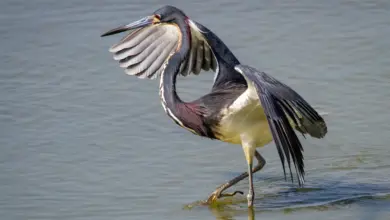
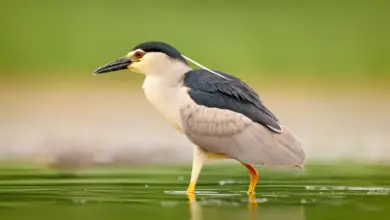
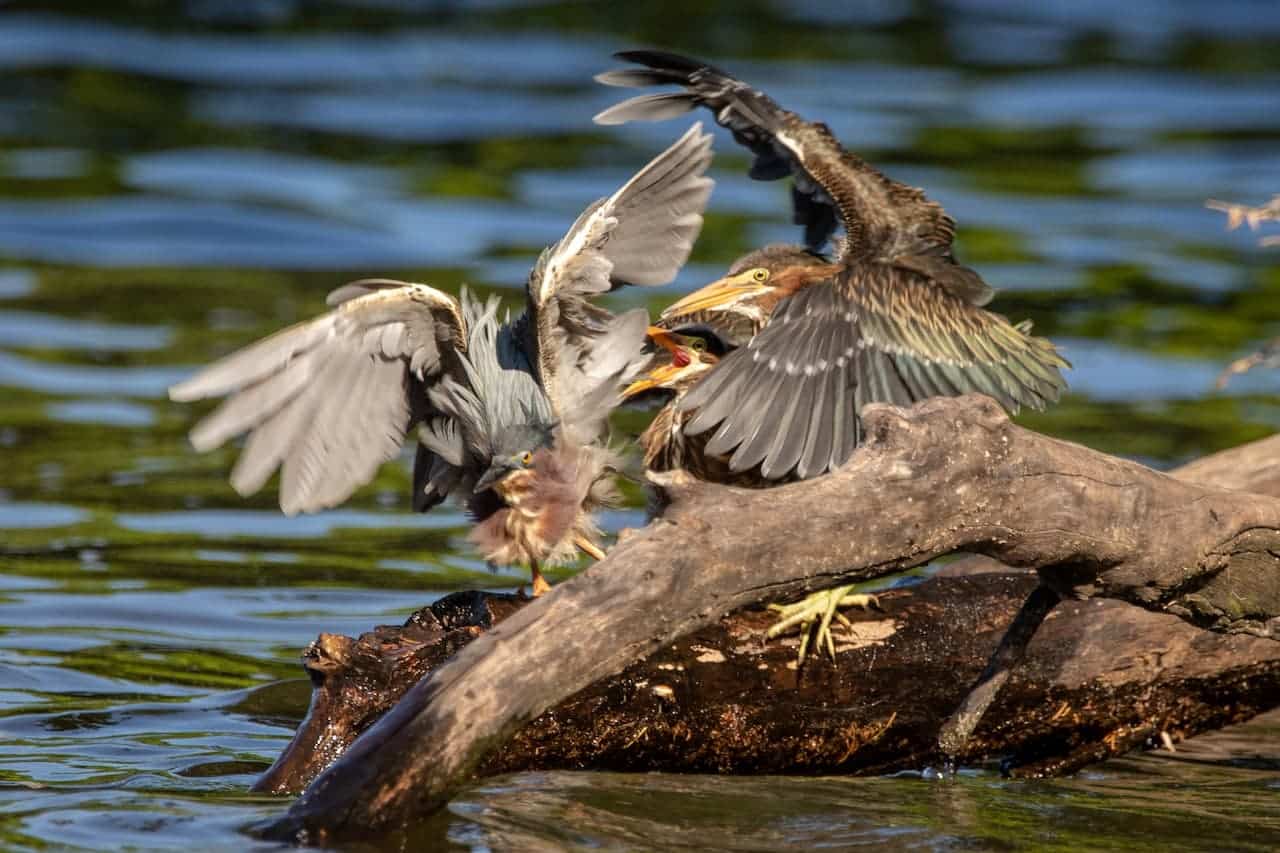
The White-faced Heron (Egretta novaehollandiae) is a widely recognized and fascinating waterbird native to the Australasian region. Often mistaken for the Grey Heron, this elegant species is distinguished by its subtle bluish-grey plumage and distinctive white facial markings. Adaptable and widespread, the White-faced Heron thrives in a variety of wetland habitats, from freshwater lakes and rivers to coastal estuaries and even urban environments. Its graceful stature and characteristic hunting style make it a favorite subject for birdwatchers and wildlife photographers alike.
Scientific Classification
The White-faced Heron belongs to the family Ardeidae, which encompasses herons, egrets, and bitterns. Its current scientific name is Egretta novaehollandiae, although it was once classified under the genus Ardea as Ardea novaehollandiae. This change reflects a refined understanding of its evolutionary relationships within the heron family. The genus Egretta primarily includes smaller herons and egrets, characterized by their slender bodies and typically lighter plumage compared to the larger Ardea species.
Taxonomically, the White-faced Heron is closely related to other Australasian herons and egrets, sharing many behavioral and morphological traits with species such as the Little Egret (Egretta garzetta). It is a member of the order Pelecaniformes, which groups together a diverse array of waterbirds with similar ecological niches. This classification highlights the bird’s specialized adaptations for wading and fishing in shallow aquatic environments.






Geographic Range & Distribution
The White-faced Heron boasts one of the broadest distributions of any heron species in the Australasian region. Its range spans across mainland Australia, where it is common in all but the driest interior deserts. It is also found throughout New Guinea, the islands of the Torres Strait, parts of Indonesia, New Zealand, and reaches even into sub-Antarctic islands such as the Auckland and Campbell Islands. This extensive range demonstrates the species’ remarkable adaptability to diverse climatic and ecological conditions.
Within Australia, the bird favors wet habitats including freshwater wetlands, tidal flats, estuaries, floodplains, and even urban parklands with ornamental fish ponds or garden ponds. It is a non-migratory resident in many areas but can be nomadic or dispersive, moving locally or over long distances in response to food availability and seasonal changes. In New Zealand, the White-faced Heron is a common sight near lakes and rivers, often seen standing motionless as it hunts.
Physical Description
The White-faced Heron is a medium-sized heron, measuring approximately 64 to 76 centimeters in length, with a wingspan ranging from 90 to 110 centimeters. Its weight varies between 400 and 700 grams, with males typically larger than females, though the difference is subtle. The bird’s plumage is predominantly a soft slate-grey or pale bluish-grey, lending it a slightly ethereal appearance against water backgrounds.
One of the most distinctive features of this species is its white face, from which it derives its common name. This white patch surrounds the bill and extends from the forehead down the sides of the face, sharply contrasting with the grey plumage. The bill itself is dark grey to black, slender, and pointed—perfectly adapted for spearing or grabbing aquatic prey. The legs and feet are usually yellow to greenish-yellow, providing a splash of color that becomes more vivid during the breeding season.
In flight, the White-faced Heron displays broad, rounded wings with a slow, deliberate beating pattern. Its neck is retracted in the characteristic “S” shape typical of herons during flight. Juveniles resemble adults but have slightly duller plumage and lack the bright white facial markings until they mature.
Behavior & Diet
The White-faced Heron is a patient and skilled hunter known for its deliberate stalking behavior. It typically forages in shallow waters, silently wading through mudflats, marshes, and flooded fields in search of prey. Its diet is diverse but primarily consists of aquatic animals such as small fish, amphibians, crustaceans, insects, and occasionally small reptiles. It uses its sharp bill to spear or seize prey, often standing still for long periods before striking with swift precision.
Unlike some herons that hunt primarily at dawn or dusk, the White-faced Heron is active throughout the day. It adapts well to a variety of environments, including urban settings where it opportunistically raids fish ponds or garden water features. This flexibility in diet and habitat use contributes to its widespread success.
Socially, the White-faced Heron is often solitary or found in small groups, especially outside the breeding season. However, it sometimes gathers in larger flocks at rich feeding sites or communal roosts. Its call is a harsh, croaking “krock” or “kraa,” usually emitted during flight or when disturbed. According to BirdLife International, this species is well documented.
Breeding & Reproduction
Breeding for the White-faced Heron typically occurs in the spring and early summer months, although timing can vary with local conditions. In southern Australia, nesting usually starts around August to November, coinciding with increased food availability. The species is known to breed colonially, often alongside other waterbirds such as ibises, egrets, and cormorants, in mixed-species colonies located in dense trees or shrubs near water. According to Cornell Lab of Ornithology, this species is well documented.
The nest is a loose, untidy platform constructed from sticks and twigs, lined with leaves and other soft materials. It is usually built high in a tree or sometimes on rocky ledges or man-made structures. Females typically lay between 3 to 5 pale blue-green eggs, which both parents incubate for approximately 24 to 27 days.
Chicks are altricial, hatching blind and helpless, requiring significant parental care. Both male and female share duties in feeding the young by regurgitating partially digested food. Fledging occurs around 6 to 7 weeks after hatching, at which point the juveniles are capable of flight but may remain dependent on the parents for some time. The breeding success of the White-faced Heron can be influenced by environmental factors such as water levels and food abundance.
Conservation Status
The White-faced Heron is currently classified as Least Concern on the International Union for Conservation of Nature (IUCN) Red List. This status reflects its widespread distribution, stable population trends, and adaptability to a range of habitats, including modified and urbanized environments. Unlike many other wetland birds, it has not experienced significant declines across its range.
In Australia, the species is protected under the National Parks and Wildlife Act 1974, ensuring that its habitats are safeguarded and that individuals cannot be legally harmed or collected. Nevertheless, ongoing threats include habitat destruction from wetland drainage, water pollution, and disturbance from human activities. Conservation efforts that preserve wetland ecosystems and promote sustainable land management indirectly benefit the White-faced Heron and countless other aquatic species.
Interesting Facts
One intriguing aspect of the White-faced Heron is its remarkable ability to thrive in urban environments. It has been observed hunting in suburban fish ponds, stormwater drains, and even roadside puddles, demonstrating a high degree of behavioral flexibility. This adaptability allows it to exploit new food sources and avoid competition with other wetland birds.
Another noteworthy behavior is its flight style. Unlike larger herons that beat their wings rapidly, the White-faced Heron flies with slow, deliberate wingbeats, often gliding gracefully between hunting grounds. This distinctive flight pattern makes it easy to identify in the field.
Additionally, the White-faced Heron’s white facial markings serve as an important identification feature, but they may also play a role in social signaling within the species. Observers have noted that these markings become more pronounced during courtship displays, possibly aiding mate recognition.
Finally, the species has cultural significance in some Indigenous Australian communities, where it is sometimes featured in art and folklore as a symbol of patience and keen observation, traits that reflect the bird’s hunting style.
In conclusion, the White-faced Heron is a resilient and captivating bird that occupies a vital niche in Australasian wetland ecosystems. Its widespread presence, graceful appearance, and intriguing behavior make it a beloved species for nature lovers and an important subject for ongoing conservation efforts.