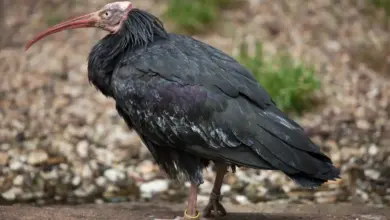
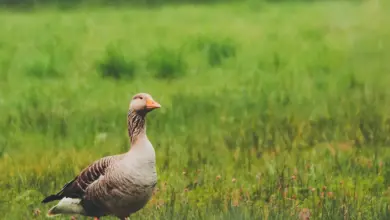
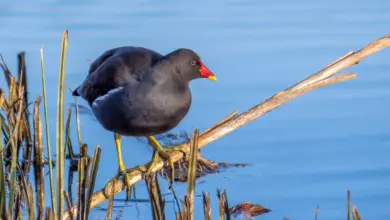
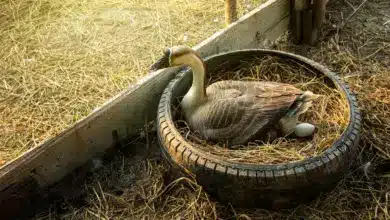
Herons and cormorants are two distinct groups of water birds that play vital roles in aquatic ecosystems across the globe. The images captured by Ed Szupel beautifully showcase the diversity and elegance of these birds, from the stately Great Blue Heron to the sleek Double-crested Cormorant. Both herons and cormorants have fascinated birdwatchers, photographers, and naturalists alike due to their unique adaptations, behaviors, and striking appearances. This article delves deeply into the taxonomy, geographic distribution, physical characteristics, behavior, breeding habits, and conservation status of these captivating birds, highlighting some notable species featured in Ed Szupel’s photography portfolio.
Scientific Classification
The term **herons** commonly refers to members of the family Ardeidae, which includes herons, egrets, and bitterns. These birds belong to the order Pelecaniformes, which also includes pelicans and ibises. The family Ardeidae contains approximately 64 species worldwide, with genera such as Ardea (great herons), Egretta (egrets and smaller herons), and Butorides (green herons). For example, the Great Blue Heron is classified as Ardea herodias, while the Little Blue Heron is Egretta caerulea. Night herons, like the Yellow-crowned Night Heron (Nycticorax violaceus), also belong to this family.
On the other hand, **cormorants** belong to the family Phalacrocoracidae, also within the order Suliformes (sometimes formerly placed in Pelecaniformes). This family includes about 40 species of cormorants and shags, known for their diving prowess. The Double-crested Cormorant, one of the most widespread North American species, is scientifically known as Phalacrocorax auritus. Unlike herons, which hunt by stalking or standing still, cormorants are primarily diving birds that pursue fish underwater.


Geographic Range & Distribution
Herons and cormorants have a nearly global distribution, occupying diverse aquatic habitats ranging from freshwater lakes and rivers to coastal estuaries and mangroves. Herons are found on every continent except Antarctica, with species adapted to various climates and environments. The Great Blue Heron, for example, ranges widely across North and Central America, from Alaska and Canada down to northern South America. The Little Blue Heron is common in the southeastern United States, Central America, and parts of South America. The Yellow-crowned Night Heron is primarily found in the southeastern U.S., the Caribbean, and Central and South America.
Cormorants also have a broad distribution, inhabiting coastal and inland waters worldwide. The Double-crested Cormorant is native to North America and can be found from Canada to Mexico, frequenting lakes, rivers, and coastal bays. Other cormorant species, such as the Great Cormorant (Phalacrocorax carbo), are widespread across Europe, Asia, and Africa. These birds often breed in colonies on rocky coasts or tree-lined islands, with some species adapting well to human-altered environments.
Physical Description
Herons are generally large, long-legged wading birds characterized by their slender necks and sharp, pointed bills designed for spearing fish and other aquatic prey. The Great Blue Heron, the largest heron in North America, measures between 97 to 137 cm (38 to 54 inches) in length with a wingspan of 167 to 201 cm (66 to 79 inches) and weighs around 2 to 3.6 kg (4.4 to 8 pounds). Its plumage is predominantly bluish-gray with a white face and black plumes extending from the head. In contrast, the Little Blue Heron is smaller, averaging about 56 to 66 cm (22 to 26 inches) in length with a wingspan of approximately 88 to 96 cm (35 to 38 inches). It sports a slate-blue body and a purple head, with juveniles appearing mostly white.
Cormorants exhibit a streamlined body built for diving, with webbed feet and a long neck. The Double-crested Cormorant typically measures 70 to 90 cm (28 to 35 inches) in length, with a wingspan of 114 to 123 cm (45 to 48 inches), and weighs between 1.2 and 2.3 kg (2.6 to 5 pounds). Their plumage is predominantly black with a slight greenish or bluish sheen, and in breeding season, distinctive double crests of black or white feathers appear on the head. The hooked tip of their bill aids in grasping slippery fish underwater. Unlike herons, cormorants have less buoyant plumage, allowing them to dive efficiently but requiring them to dry their wings in the sun after fishing.
Behavior & Diet
Herons are primarily solitary hunters, often seen standing motionless in shallow water or slowly stalking their prey. Their diet mainly consists of fish, but they are opportunistic feeders and also consume amphibians, crustaceans, insects, small mammals, and reptiles. The hunting technique involves waiting patiently for prey to come near before striking sharply with their dagger-like bills. Some species, such as the Green Heron (Butorides virescens), have been observed using tools, like dropping bait to lure fish within reach.
Cormorants are expert divers, using their webbed feet to propel themselves underwater in pursuit of fish. They often fish cooperatively in groups, herding schools of fish into shallow waters for easier capture. Their diet consists almost exclusively of fish, with species preferences depending on their habitat. Double-crested Cormorants feed on a wide variety of fish species, including perch, sunfish, and small bass. Unlike herons, which catch prey by stabbing or grabbing, cormorants swallow their catch whole underwater. After fishing, cormorants habitually perch with wings spread wide to dry their feathers, since their plumage is less waterproof than other water birds. According to eBird, this species is well documented.
Breeding & Reproduction
Herons typically breed in colonies known as heronries, which can vary from a few pairs to several thousand nests in large rookeries. Nesting sites are often located in trees near water, though some species nest in reeds or on cliffs. The Great Blue Heron builds large stick nests high in trees, and females lay between two and seven pale blue eggs. Both parents share incubation duties, which last about 25 to 30 days. After hatching, chicks remain in the nest for several weeks before fledging. Courtship involves elaborate displays including neck stretching, bill clacking, and plume raising. According to BirdLife International, this species is well documented.
Cormorants also breed in dense colonies, often on rocky cliffs, islands, or in trees near water. The Double-crested Cormorant constructs nests from sticks, seaweed, and other vegetation. Females typically lay three to four pale blue-green eggs. Incubation lasts approximately 25 to 28 days, with both parents participating in incubation and feeding the young. Chicks hatch altricial—naked and helpless—and rely on parental care for several weeks. Breeding colonies can be noisy and crowded, with birds engaging in vocalizations and physical displays to establish nesting territories.
Conservation Status
The conservation status of herons and cormorants varies by species and region. Many heron species are considered of Least Concern by the International Union for Conservation of Nature (IUCN), including the Great Blue Heron and the Little Blue Heron, thanks to their wide distribution and stable populations. However, some herons, such as the Rufescent Tiger Heron (Tigrisoma lineatum), face habitat loss due to deforestation and wetland degradation, and localized declines have been noted in parts of their range. The Yellow-crowned Night Heron is also generally stable but sensitive to wetland quality.
Cormorants, including the Double-crested Cormorant, are also listed as Least Concern by the IUCN due to their large, increasing populations in many areas, particularly in North America. However, they have historically been persecuted due to conflicts with fisheries, as they consume commercially valuable fish. Conservation efforts focus on habitat protection and mitigating human-wildlife conflicts. Some cormorant species with more restricted ranges or smaller populations, such as the Mariana Cormorant, are considered threatened or endangered.
Interesting Facts
Herons and cormorants have many fascinating behaviors and adaptations. The Green Heron is one of the few bird species known to use tools, dropping insects or feathers on the water surface to attract fish. The Great Blue Heron is often mistaken for a crane due to its size but can be distinguished by its S-shaped neck and slower wingbeats. Night herons like the Yellow-crowned Night Heron are primarily nocturnal feeders, preying on crabs and other crustaceans along shorelines.
Cormorants have specialized eyes adapted for underwater vision, allowing them to see clearly while hunting beneath the surface. Their feathers lack the dense waterproofing oils found in ducks, which reduces buoyancy and aids diving but requires the distinctive wing-drying posture after fishing. Interestingly, some cultures regard cormorants as symbols of fishing skill, and in parts of Asia, fishermen have historically trained cormorants to catch fish for them.
In summary, herons and cormorants represent two remarkable groups of water birds with distinct evolutionary paths and ecological roles. Through Ed Szupel’s stunning photography, viewers gain a window into the lives of these versatile birds, highlighting their beauty, behavior, and importance within aquatic ecosystems worldwide. Whether seen standing silently along a marsh edge or diving below sparkling waters, herons and cormorants continue to captivate those who observe the natural world.