Overview and Introduction
Algae are a diverse group of photosynthetic organisms found in a wide range of aquatic and terrestrial environments. They come in many shapes, sizes, and colors, including green, blue-green, red, and brown varieties. Often forming slimy mats on pond surfaces or coating rocks in streams, algae play a fundamental role in ecosystems worldwide. Despite their simple appearance, algae serve as a crucial food source for an array of animals, particularly small aquatic creatures. This article explores the fascinating world of algae, focusing on what eats algae, their characteristics, behaviors, habitats, and their vital ecological role.
Physical Characteristics of Algae
Algae are incredibly diverse, ranging from microscopic single-celled organisms like Chlorella and diatoms to large multicellular forms such as giant kelp. Their colors vary based on the pigments they contain: green algae possess chlorophyll a and b; red algae have phycoerythrin; brown algae contain fucoxanthin, giving them their characteristic hues.
Unlike terrestrial plants, algae do not have roots, stems, or leaves. Instead, they absorb nutrients directly from their surroundings. Many algae have simple structures—some float freely in water, while others attach themselves to rocks, soil, or other surfaces. The slimy mats often called “pond scum” are dense colonies of algae thriving in nutrient-rich water.





Behavior of Algae-Eating Creatures
Animals that consume algae exhibit a range of feeding behaviors adapted to their environment and diet. Many aquatic invertebrates, such as snails and insect larvae, scrape algae off rocks and plants using specialized mouthparts. Some fish, like certain catfish and plecos, have sucker-like mouths that allow them to cling to surfaces and graze on algae films.
Algae-eating creatures often play a critical role in controlling algae growth, preventing overgrowth that can disrupt aquatic ecosystems. Some species are opportunistic feeders, consuming algae when other food sources are scarce, while others rely almost exclusively on algae.
Habitat and Distribution
Algae are remarkably adaptable and can be found in nearly every environment on Earth where light and moisture are present. They thrive in freshwater lakes, rivers, ponds, and oceans, and some species even live in damp soils, on tree bark, or in snowfields.
The animals that eat algae are just as widespread. In freshwater habitats, aquatic insects such as mayfly and caddisfly larvae graze on algae-covered surfaces. In marine environments, herbivorous fish like surgeonfish and parrotfish feed on algae growing on coral reefs. Additionally, freshwater and marine snails, crustaceans, and some amphibians consume algae as part of their diets.
Diet and Feeding Habits
Algae serve as a primary food source for numerous aquatic organisms. Many young animals, including tadpoles, juvenile fish, and aquatic insect larvae, depend heavily on algae for nutrition during early developmental stages.
Some adult fish species also consume algae. The commonly seen aquarium catfish, such as the plecostomus, are well known for their algae-eating habits. These fish use their specialized mouths to scrape algae off aquarium glass and decorations, helping keep tanks clean.
Other algae-eaters include:
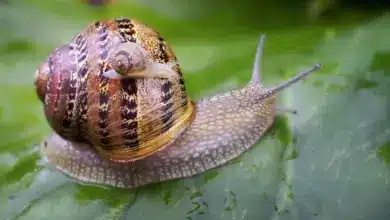
- Freshwater snails: Species like the ramshorn and nerite snails graze on algae films on rocks and plants.
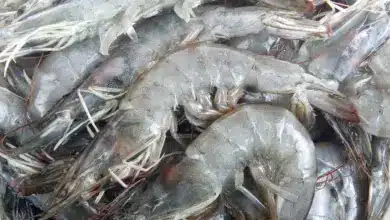
- Crustaceans: Small shrimps and amphipods consume algae as part of their omnivorous diet.
- Marine herbivorous fish: Parrotfish use their beak-like teeth to scrape algae off coral surfaces, playing an important role in reef health.
- Waterfowl: Ducks and other water birds sometimes feed on algae mats, although they prefer aquatic invertebrates.
Reproduction of Algae-Eating Species
The reproductive methods of algae-eating animals vary widely depending on their taxonomic group. For example, many aquatic insects undergo complete metamorphosis—laying eggs in or near water, with larvae that feed on algae before transforming into adults.
Fish like catfish reproduce by spawning eggs in nests or on sheltered surfaces, with young fish feeding on algae-rich diets to support rapid growth. Snails lay gelatinous egg clusters on submerged surfaces, and their hatchlings immediately begin grazing on algae.
Overall, the reproductive success of algae-eating species often depends on the availability of algae as a nutritious food source for their young, making algae an essential component for sustaining populations.
Ecological Role of Algae and Their Consumers
Algae are primary producers, converting sunlight into energy through photosynthesis and forming the base of aquatic food webs. By supplying energy to herbivores, algae facilitate the transfer of nutrients up the trophic levels to larger predators.
Animals that consume algae help regulate algal populations, preventing excessive blooms that can lead to oxygen depletion and harm aquatic ecosystems. For example, grazing by fish and invertebrates keeps algae in balance, supporting healthy water quality and biodiversity.
In coral reefs, herbivorous fish such as surgeonfish and parrotfish maintain coral health by grazing on algae that compete with corals for space. This interaction is crucial to reef resilience against environmental stressors like climate change.
Conservation Status
While algae themselves are generally abundant and not threatened, the animals that depend on them face various conservation challenges. Habitat destruction, pollution, invasive species, and climate change impact many algae-eating species.
For instance, freshwater snails and insect larvae vulnerable to water pollution may decline, disrupting food webs. Coral reef herbivores like parrotfish are threatened by overfishing, which can lead to unchecked algal growth harming reefs.
Protecting aquatic habitats and maintaining water quality are essential for preserving the delicate balance between algae and their consumers. Sustainable fishing practices and pollution control measures help safeguard these ecosystems.
Interesting Facts About Algae and Their Eaters
- Some algae can produce harmful toxins during blooms, which makes their consumers’ ability to regulate their growth even more important for ecosystem health.
- The giant kelp, a type of brown algae, can grow up to 60 centimeters per day, providing a vast underwater habitat for many algae-eating species.
- Parrotfish not only eat algae but also contribute to sand production by grinding coral skeletons; their excrement is a significant source of sandy beaches in tropical regions.
- Algae-eating catfish, like the plecostomus, have become popular in aquariums worldwide due to their algae-cleaning habits, though some species can grow surprisingly large.
- Some algae, such as blue-green algae (cyanobacteria), are actually bacteria rather than true plants, yet they also serve as a vital food source for many aquatic organisms.