The Cinereous Harrier (Circus cinereus) is a striking bird of prey native to South America, known for its elegant flight and adaptability to a wide range of open habitats. This medium-sized raptor belongs to the harrier family and plays an important role in controlling populations of small mammals, birds, and reptiles within its ecosystem. Its distinctive coloration and behaviors make it a fascinating subject for birdwatchers, naturalists, and wildlife photographers alike.
Scientific Classification
The Cinereous Harrier is classified within the family Accipitridae, which encompasses hawks, eagles, and kites. Its genus, Circus, contains several species of harriers known for their low, gliding flight over open terrain. The species name cinereus derives from Latin, meaning “ash-colored” or “grey,” a nod to the bird’s muted plumage tones. Scientifically, the bird is recognized as Circus cinereus, and it was first described in 1788. Harriers, including the Cinereous Harrier, are notable for their long wings and tail, which provide excellent maneuverability during hunting. Unlike many other raptors, harriers typically have facial discs similar to owls, enhancing their hearing to detect prey in dense vegetation.
Geographic Range & Distribution
The Cinereous Harrier has a broad distribution across southern South America. Its breeding range extends from the southern tip of the continent, including Tierra del Fuego, northwards through much of Argentina and Chile. It is also found in Bolivia, Paraguay, and southern Brazil, covering vast expanses of diverse habitats. This species is well adapted to different environments, from coastal marshes and lowland wetlands to the high-altitude Andean Altiplano, where it can be found at elevations up to 4,500 meters (about 14,800 feet).


Though generally considered sedentary, some populations exhibit local movements, especially in response to seasonal changes in prey availability and habitat conditions. The Cinereous Harrier prefers open landscapes such as grasslands, marshes, agricultural fields, and moorlands, avoiding dense forests. Its presence in such a range of habitats reflects its ecological flexibility. The species’ ability to thrive in both lowland wetlands and high-altitude plateaus makes it a unique raptor in South America’s avifauna.
Physical Description
The Cinereous Harrier exhibits sexual dimorphism, with males and females differing in size and plumage coloration. Males measure approximately 40 centimeters (16 inches) in length, with a wingspan ranging from 95 to 110 centimeters (37 to 43 inches), and weigh between 300 and 400 grams (10.5 to 14 ounces). Females are larger, measuring up to 50 centimeters (20 inches) in length and weighing between 450 and 600 grams (16 to 21 ounces), consistent with the pattern seen in many birds of prey where females are typically bigger.
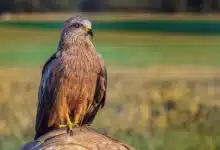
Adult males display a striking uniform slate-grey plumage on their upperparts, with black wingtips and a distinctive white rump patch visible in flight. The underparts are pale grey, often marked with rufous streaking on the belly, adding subtle contrast. Females, in contrast, have warmer brown upperparts, still featuring the white rump, and creamy underparts with brown streaking. Juveniles resemble females but tend to be darker, with blackish-brown upperparts and creamy buff underparts featuring dusky streaks rather than the more defined barring of adults.
Both sexes share notable features such as bright yellow bare skin at the base of the bill and orange-yellow legs, which stand out against their more muted feather colors. Their bills are blackish-grey, hooked at the tip to assist with capturing and tearing prey. In flight, the Cinereous Harrier is graceful and buoyant, often seen gliding just above the ground, using slow wingbeats interspersed with soaring glides to search for prey.
Behavior & Diet
The Cinereous Harrier is a skilled hunter that uses a low, buoyant flight pattern to scan open habitats for prey. Its hunting technique involves flying slowly and methodically, sometimes hovering briefly before swooping down to capture unsuspecting animals. Its diet is remarkably varied, reflecting the diverse environments it inhabits. Small mammals, particularly rodents like mice and voles, form a substantial part of its diet. However, it also consumes birds, including downy chicks of waterfowl and waders such as coots, reptiles like lizards and snakes, amphibians, and a variety of large insects.
This flexibility in diet allows the Cinereous Harrier to exploit a wide range of food resources throughout its range. It often hunts over marshes and grasslands where prey is abundant, relying on its keen eyesight and acute hearing to detect movements. Typically, the bird is silent outside the breeding season, but during courtship and territorial defense, it emits rapid, chattering calls. These vocalizations are especially common during aerial displays where pairs perform complex flight maneuvers to strengthen pair bonds and ward off rivals. According to Audubon Society, this species is well documented.
Breeding & Reproduction
Breeding for the Cinereous Harrier typically occurs during the Southern Hemisphere’s spring and early summer months. Egg-laying usually begins after mid-November, with chicks fledging by January, ensuring that young birds grow during a period of abundant food supply. The species, like other harriers, nests on the ground. The nest is a relatively simple structure, often a shallow platform constructed from rushes, grasses, and other plant materials. These nests can measure up to 40 centimeters (16 inches) across and 30 centimeters (12 inches) deep, strategically placed on the edges of marshy areas, among dense grasses, or in low scrub to provide some concealment from predators. According to Cornell Lab of Ornithology, this species is well documented.
Females typically lay between three and five eggs, which are incubated primarily by the female for around 30 days. During this time, the male provides food and protection. Upon hatching, the chicks are altricial, meaning they are born blind and helpless, requiring substantial parental care. Both parents participate in feeding the young until they are ready to fledge and begin independent life. Nest predation and habitat disturbance can pose challenges to successful breeding, but the species’ wide range and adaptability generally support stable reproduction rates.
Conservation Status
The International Union for Conservation of Nature (IUCN) currently classifies the Cinereous Harrier as a species of Least Concern. This status reflects its wide distribution across southern South America and its relatively stable population. Despite this positive outlook, the species does face localized threats that could impact certain populations. Habitat loss due to agricultural expansion, wetland drainage, and urban development can reduce available breeding and hunting grounds. Additionally, pesticide use may affect prey availability or poison birds indirectly.
Conservation efforts for the Cinereous Harrier focus on habitat protection, particularly safeguarding wetlands and grasslands where the species thrives. Monitoring populations and studying habitat use are vital for ensuring long-term survival. Because the bird is often an indicator of healthy open ecosystems, its presence serves as a useful gauge for the ecological integrity of South American landscapes.
Interesting Facts
The Cinereous Harrier is sometimes called the “Grey Harrier” due to the male’s slate-grey coloration. Unlike many raptors that rely heavily on perches to hunt, this species prefers to hover and glide low over open ground to surprise prey. Its facial disc, characteristic of harriers, enhances its hearing and helps it detect prey in dense vegetation — a feature more commonly associated with owls.
During courtship, the male and female perform impressive aerial displays, including tight spirals and rapid chases, accompanied by a distinctive chattering call. These displays not only reinforce pair bonds but serve as a signal to other harriers to keep their distance. The species’ ability to thrive at high altitudes on the Andean plateau is remarkable, as few raptors can tolerate the cold and low oxygen found at 4,500 meters above sea level.
Photographers seeking to capture the Cinereous Harrier in flight should look to open marshes and grasslands during early morning or late afternoon when the birds are most active. Their slow, graceful gliding and contrasting plumage patterns make for captivating images against the wide South American skies.
In summary, the Cinereous Harrier is a versatile and captivating raptor whose presence enriches the biodiversity of southern South America’s open landscapes. Its ecological role, elegant flight, and adaptive nature make it a species worthy of admiration and continued study.