Overview and Introduction
Ducks are among the most familiar and widespread waterfowl, enchanting birdwatchers and nature enthusiasts worldwide with their charming behaviors and distinctive quacks. As part of the Anatidae family, ducks contribute significantly to wetland ecosystems. However, despite their adaptability and diverse habitats, ducks face numerous natural predators. Understanding what eats ducks provides insight into their ecological interactions, survival strategies, and the delicate balance within their environments. This article explores the predators of ducks, their own diet, and other fascinating aspects of their biology and ecology.
Physical Characteristics of Ducks
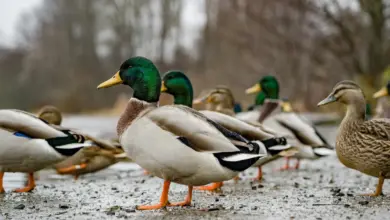
Ducks vary widely in size, coloration, and morphology depending on species, but several key physical traits unify them. Typically, ducks have compact bodies with broad, flat bills adapted for dabbling or diving. Their legs are positioned toward the rear of their bodies, aiding in swimming but making walking on land somewhat awkward. Plumage coloration ranges from drab browns and grays in females, which provide camouflage, to vibrant iridescent colors in males during the breeding season.
Most ducks have webbed feet that enable efficient movement in the water, and waterproof feathers coated with oils from their uropygial gland. This adaptation allows them to remain buoyant and dry, essential for their aquatic lifestyle. Size can vary significantly; for example, the diminutive teal might weigh less than a pound, while the large Muscovy duck can exceed 10 pounds.




Behavior
Ducks exhibit diverse behaviors related to feeding, mating, and migration. Many species are social, forming flocks during non-breeding seasons for protection and foraging efficiency. During the breeding season, males often display elaborate courtship rituals involving vocalizations and plumage displays to attract females.
Ducks are primarily diurnal, active during daylight hours. They spend much of their time feeding on or near water bodies, employing different foraging techniques such as dabbling, diving, or grazing. Ducks are also known for their migratory behaviors, with some species traveling thousands of miles between breeding and wintering grounds.
Habitat and Distribution
Ducks inhabit a broad range of environments worldwide, from freshwater lakes, rivers, and marshes to coastal estuaries and even urban parks. Their adaptability allows them to thrive in temperate, tropical, and arctic regions. For instance, the Mallard, one of the most common duck species, is found across North America, Europe, and Asia.
Breeding habitats often include wetlands with abundant vegetation that provide cover and food resources. During migration, ducks may stop at various water bodies to rest and refuel. Some species prefer shallow waters rich in aquatic plants and invertebrates, while others are adapted to deeper lakes or coastal waters.
Diet and Feeding Habits
Ducks are omnivorous birds with diets that vary depending on species, season, and habitat. Their feeding strategies include dabbling at the water’s surface, diving underwater, or grazing on land. Most dabbling ducks feed on a mixture of aquatic plants, seeds, algae, and small animals like insects, crustaceans, and mollusks.
For example, the Cinnamon Teal, a small dabbling duck native to the Americas, primarily consumes seeds and aquatic invertebrates. Diving ducks, such as the Canvasback, dive beneath the surface to feed on mollusks, small fish, and aquatic vegetation. Some species also forage on land, eating grains and grasses.
This varied diet supports their nutritional needs and allows them to adapt to seasonal changes in food availability.
What Eats Ducks? Predators and Threats
Ducks, both adults and ducklings, face a wide array of predators across their range. Predation is a significant natural pressure shaping their behavior, reproductive strategies, and population dynamics.
Mammalian Predators
Many four-footed predators opportunistically prey on ducks when the chance arises. Foxes and weasels are particularly notorious for hunting ducks, especially during nesting season when adults are less mobile and ducklings are vulnerable. Raccoons and mink also raid nests, consuming eggs and chicks.
In more urban or suburban environments, domestic cats and dogs can pose a threat to ducks, especially those nesting near human habitation. Larger mammals such as coyotes and bobcats may also prey on adult ducks when hunting near wetlands.
Avian Predators
Birds of prey are among the most agile and effective duck predators. Hawks, owls, and eagles commonly hunt adult ducks and ducklings. For example, the Northern Harrier is adept at hunting ducks in marshes, while Great Horned Owls often take ducks at night.
Other predatory birds, such as gulls and crows, may target duck eggs and young ducklings. The Peregrine Falcon, known for its incredible speed, can catch adult ducks during flight.
Reptilian Predators
Snakes are formidable nest predators, consuming duck eggs and occasionally ducklings. In aquatic environments, snapping turtles are known to prey on young ducks, taking advantage of their slow movement in water. Alligators and crocodiles in warmer climates can also capture ducks at the water’s edge.
Other Predators
Some fish species, like large pike or bass, may prey on ducklings swimming near the surface, particularly in freshwater habitats. Additionally, humans have historically hunted ducks for food and sport, influencing population trends in some areas.
Reproduction
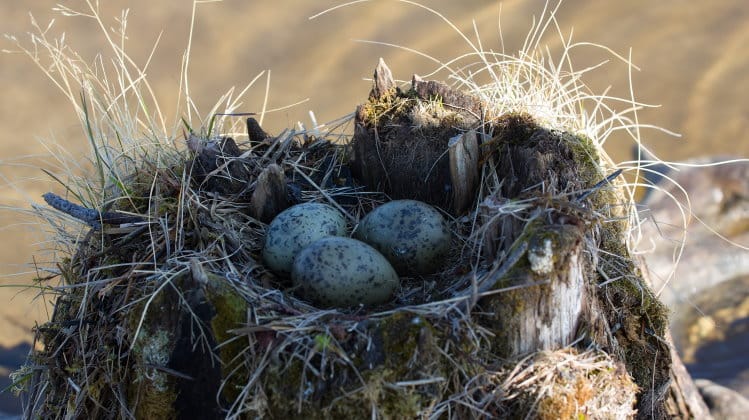
Ducks generally breed in the spring and summer months, with timing varying by latitude and species. Most species are seasonal breeders, with females constructing nests concealed in dense vegetation near water. Nest sites are chosen carefully to reduce predation risk.
Females lay clutches typically ranging from 5 to 15 eggs. Incubation lasts about 23 to 30 days, during which the female remains vigilant against predators. Once hatched, ducklings are precocial—they are mobile, able to swim, and feed themselves shortly after birth but remain under maternal protection.
Male ducks often play limited roles in rearing offspring, though in some species, males guard territories or assist with defense during the breeding season.
Ecological Role
Ducks play vital roles in wetland ecosystems. As omnivores, they help control populations of aquatic invertebrates and contribute to seed dispersal of aquatic plants, promoting plant diversity. Their foraging activities can influence nutrient cycling and habitat structure within wetlands.
In turn, ducks serve as prey for numerous predators, supporting food webs. Their eggs and young provide essential nutrition for many species, while adults are important prey for birds of prey and mammals. Additionally, ducks contribute to the cultural and economic value of wetlands, attracting ecotourism and supporting hunting industries.
Conservation Status
While many duck species are abundant and widespread, some face conservation challenges due to habitat loss, pollution, hunting pressure, and climate change. Wetland drainage and degradation reduce breeding and foraging habitats, impacting population numbers.
Conservation efforts focus on protecting and restoring wetlands, regulating hunting, and monitoring populations. For example, the Wood Duck, once declining due to habitat loss and overhunting, has rebounded through active conservation programs including nest box installation.
International agreements such as the Migratory Bird Treaty Act (MBTA) in North America provide legal protection for many duck species, helping ensure their long-term survival.
Interesting Facts About Ducks
- Duck Migration: Some species, like the Northern Pintail, undertake long-distance migrations crossing continents and oceans to reach breeding or wintering grounds.
- Unique Vocalizations: Ducks produce a variety of calls beyond the classic quack, including whistles, grunts, and coos, used for communication and mating.
- Waterproof Feathers: Ducks preen regularly to maintain their feathers’ waterproofing, which is critical for insulation and buoyancy.
- Sexual Dimorphism: In many species, males exhibit bright plumage during breeding season to attract females, while females have camouflaged colors to protect nests.
- Duckling Imprinting: Ducklings imprint on the first moving object they see after hatching, often following their mother closely to avoid predators.
- Adaptability: Ducks have adapted to urban environments, often thriving in city parks and ponds where they interact with humans.