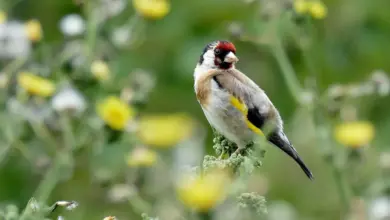
The familiar, melodious song of the **canary** has long been cherished by bird enthusiasts and pet owners alike. Known for their vibrant yellow plumage and cheerful tunes, canaries brighten homes and gardens with their presence. However, it can be concerning when a usually vocal canary suddenly stops singing, especially after a molt period when silence is expected to be temporary. Understanding why a canary may cease singing involves exploring its biology, behavior, and environmental factors that influence its vocalizations. This article delves into the taxonomy, natural history, and care of canaries, offering insight into possible reasons behind their silence and how to ensure their well-being.
Scientific Classification
The **canary** is scientifically known as Serinus canaria, a small songbird belonging to the family **Fringillidae**, which includes finches and related species. It falls within the order **Passeriformes**, commonly referred to as perching birds or songbirds, a group renowned for their vocal abilities. Native to the Macaronesian Islands—which include the Canary Islands, Madeira, and the Azores—the canary has been selectively bred for centuries, resulting in many domestic varieties prized for their singing or coloration.
Wild canaries tend to differ from their captive counterparts in appearance and song complexity. The original species exhibits a more muted greenish-yellow plumage, which has been transformed through selective breeding into the bright yellow and other color morphs seen today. Their close relatives in the genus Serinus include other finches with similar feeding habits and song patterns, sharing many traits that make the canary an exceptional singer and a popular pet worldwide.






Geographic Range & Distribution
Wild canaries are native to the Macaronesian archipelago off the northwest coast of Africa, primarily the Canary Islands, from which they derive their common name. They inhabit a range of environments on these volcanic islands, including semi-open woodlands, shrublands, and mountainous regions up to elevations of approximately 2,000 meters. Their range also extends to Madeira and the Azores, where small populations persist.
Over centuries, domestic canaries have been introduced globally as cage birds and show birds, making their geographic distribution virtually worldwide through human mediation. Unlike their wild ancestors, captive canaries thrive in indoor environments or aviaries, adapting well to a range of climates provided their basic needs for food, light, and social interaction are met. Their natural habitat in the Canary Islands is characterized by mild temperatures and varied vegetation, which has influenced their diet and behavior in the wild.
Physical Description
The canary is a small, compact bird, measuring approximately 12 to 13 centimeters (4.7 to 5.1 inches) in length, with a wingspan of around 20 to 23 centimeters (7.9 to 9.1 inches). Wild canaries generally weigh between 15 to 20 grams (0.53 to 0.71 ounces). Their plumage is typically olive-green with yellow streaks, providing camouflage in their natural habitat. Domestic canaries, however, display a broader array of colors including bright yellow, orange, white, and even red, a result of selective breeding.
The beak of the canary is short and conical, perfectly adapted for their granivorous diet. Their legs are slender but strong, enabling agile movements through branches and shrubs. Male canaries tend to be slightly larger and exhibit more vivid coloring, especially in captive birds bred for exhibition. Sexual dimorphism is subtle but can often be discerned through song; males are the primary singers, using their complex vocalizations to attract mates and defend territory.
Behavior & Diet
Canaries are renowned for their singing ability, with males producing a rich, melodious song that can last for several minutes. Their song is a complex series of trills, warbles, and chirps, learned from other males during critical developmental periods. Singing is most frequent during the breeding season and is a key behavior for establishing dominance and attracting females. Females typically do not sing but communicate through softer calls.
In the wild, canaries are primarily seed eaters, favoring a diet of small seeds from grasses, herbs, and shrubs. They supplement this with occasional insects, especially during the breeding season, to provide extra protein. Captive diets should mimic this natural intake and often include a mix of canary seed mixes, fresh greens, fruits, and specialized pellets. Providing a balanced diet helps maintain their health, vitality, and singing ability.
During molting periods, which usually occur annually in late summer, canaries shed and regrow their feathers. This process demands significant energy, leading to reduced activity and often a cessation of singing. Molting can last from a few weeks up to two months. During this time, canaries need extra nutrition and a calm environment to recover fully.
Breeding & Reproduction
Breeding season for wild canaries typically begins in early spring, coinciding with increased daylight hours. Males intensify their singing to attract females and establish territories. Once paired, females construct nests in sheltered locations using twigs, grasses, and feathers. The female usually lays a clutch of three to five eggs, which she incubates for about 13 to 14 days. According to Bug Guide, this species is well documented.
After hatching, chicks are altricial—helpless and featherless—and rely entirely on their parents for warmth and food. Both parents feed the young a diet rich in insects and regurgitated seeds, promoting rapid growth. Fledging occurs approximately two weeks after hatching, with juveniles developing their independent flying and foraging skills soon after. In captivity, breeding can be encouraged by mimicking natural light cycles and providing appropriate nesting materials. According to IUCN Red List, this species is well documented.
Conservation Status
The wild **canary** (Serinus canaria) is currently classified as **Least Concern** by the International Union for Conservation of Nature (IUCN). Its populations in the Canary Islands and nearby archipelagos remain stable, benefiting from protected habitats and relatively low levels of human disturbance. However, some localized threats include habitat degradation due to urban expansion, invasive species, and climate change impacts.
Captive canaries are abundant worldwide, with millions kept as pets, making them one of the most common domestic songbirds. Their widespread popularity has not only preserved the species but also led to a rich variety of strains and breeds. While the domestic population thrives, conservation efforts continue to focus on preserving wild populations and their natural habitats to maintain genetic diversity and ecological balance.
Interesting Facts
Canaries have a fascinating history that extends beyond their natural biology. They were famously used in coal mines during the 19th and early 20th centuries as early warning systems for toxic gases such as carbon monoxide. Their sensitivity to air quality meant that if a canary showed signs of distress or died, miners would evacuate immediately. This practice gave rise to the phrase “canary in a coal mine,” symbolizing an early indicator of danger.
Another intriguing aspect of canaries is their ability to learn and modify their songs. Males exposed to a variety of song patterns during development can produce more complex and varied melodies. This vocal plasticity is a subject of scientific interest, helping researchers understand the neural mechanisms of learning and communication in birds.
While female canaries rarely sing, some have been observed mimicking male songs in captivity, particularly when kept without males. This rare behavior suggests a degree of flexibility in their vocal capabilities and challenges traditional views about gender roles in bird song.
Finally, the silence of a canary outside of molting or illness can indicate environmental or psychological stress. Factors such as inadequate lighting, poor diet, lack of social interaction, or changes in routine can suppress singing. Understanding these nuances helps owners provide better care and create a supportive environment that encourages their canary’s natural behaviors.
Conclusion
The canary’s song is more than a pleasant background noise—it is a vital expression of health, mood, and natural behavior. While molting is a well-known reason for temporary silence, prolonged cessation of singing can signal underlying issues such as stress, illness, or environmental inadequacies. By understanding the canary’s taxonomy, natural history, diet, and breeding habits, bird enthusiasts can better interpret their pet’s behavior and ensure optimal care.
Maintaining a balanced diet, providing ample light, minimizing stressors, and monitoring health are essential steps to encourage a canary’s singing. Whether in the wild or captivity, these small birds continue to captivate with their vibrant colors and enchanting songs, reminding us of the delicate interplay between nature, nurture, and the joy of avian companionship.