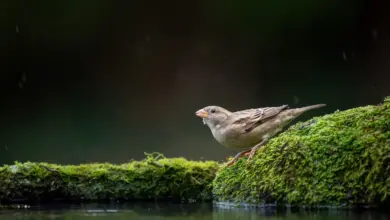
**Doves** are a group of birds that captivate birdwatchers and wildlife enthusiasts with their gentle cooing, graceful flight, and often subtle yet elegant plumage. Belonging to the family Columbidae, which also includes pigeons, doves are widespread across the globe, inhabiting diverse environments from dense forests to urban parks. This article explores various aspects of doves, including their taxonomy, physical characteristics, behaviors, and conservation status, alongside a rich photo gallery that brings these birds’ beauty to life.
Scientific Classification
Doves belong to the family Columbidae, a diverse family that encompasses more than 300 species of birds commonly referred to as doves and pigeons. The terms “dove” and “pigeon” are often used interchangeably, but generally, smaller species with more delicate features are called doves, while larger, stockier species are known as pigeons. The family Columbidae falls under the order Columbiformes. One of the most well-known species is the **Rock Dove** or common pigeon, Columba livia, which is the ancestor of most domestic pigeons and feral city birds.
The family is further divided into several genera, including Streptopelia (turtledoves), Columbina (ground doves), and Treron (fruit doves). These birds share features such as a small head, short legs, and stout bodies. Their taxonomy has been refined through molecular studies, which have helped clarify the evolutionary relationships among species, revealing interesting divergences particularly between Old World and New World species.




Geographic Range & Distribution
Doves are truly cosmopolitan birds, found on every continent except Antarctica. Their adaptability allows them to thrive in a variety of habitats, including woodlands, savannas, deserts, and urban environments. The **Mourning Dove** (Zenaida macroura) is one of the most widespread species in North America, ranging from southern Canada to Central America. In contrast, the **Emerald Dove** (Chalcophaps indica) inhabits dense tropical forests across Southeast Asia and parts of Australia.
Fruit doves, known for their vibrant plumage, are predominantly found in Southeast Asia, Papua New Guinea, and the Pacific Islands. Species like the **Pink-headed Fruit Dove** (Ptilinopus porphyreus) are native to Indonesia and surrounding islands. Ground doves, smaller and often less conspicuous, are mainly distributed in the Americas, inhabiting grasslands and scrubby areas.
Urban environments have become important habitats for certain species like the Rock Dove, which has successfully colonized cities worldwide. Their ability to exploit human-altered landscapes has allowed them to expand their range beyond their original rocky cliff habitats.
Physical Description
Doves exhibit a wide range of sizes and colors, but most share similar body shapes characterized by rounded heads, plump bodies, and relatively short tails and legs. Size varies significantly among species; for example, the small **Common Ground Dove** (Columbina passerina) measures about 16 centimeters (6.3 inches) in length and weighs around 40 grams (1.4 ounces), whereas the larger **Victoria Crowned Pigeon** (Goura victoria) can reach up to 70 centimeters (28 inches) with a wingspan of nearly 80 centimeters (31 inches).
Plumage colors range from muted browns, greys, and tans to striking iridescent greens, blues, and purples, especially in fruit doves. Many species have distinctive markings; for example, the **Eurasian Collared Dove** (Streptopelia decaocto) features a black collar on the nape of its neck, while the **Laughing Dove** (Spilopelia senegalensis) displays spotted neck feathers. The eyes of doves are often surrounded by bare skin or subtle rings of color, adding to their expressive faces.
Flight feathers are strong and pointed, supporting their characteristic swift and direct flight. Many doves produce a distinctive whistling sound during flight, generated by air passing through their wing feathers, which serves as a communication signal or alarm.
Behavior & Diet
Doves are generally peaceful, social birds often seen in flocks, especially outside of the breeding season. They are known for their soft cooing calls, which males use to attract mates or defend territories. Many species engage in elaborate courtship displays involving bowing, tail fanning, and vocalizations. Their flight is strong and direct, with fast wingbeats interspersed with glides.
The diet of doves is primarily granivorous, meaning they feed mainly on seeds and grains. Many species forage on the ground, pecking at seeds, fallen fruits, and occasionally small insects or snails. For example, the **Mourning Dove** consumes a wide variety of seeds, including those from grasses, weeds, and crops such as millet and sunflower seeds. Fruit doves supplement their diet with soft fruits, berries, and occasionally flower parts, which contributes to seed dispersal in tropical forests.
Doves have a unique adaptation called a crop, an expandable pouch in the throat where food is stored and softened before digestion. Many dove species produce “crop milk,” a nutritious secretion rich in fats and proteins fed to their young during the first days after hatching, a trait shared with pigeons but rare among birds.
Breeding & Reproduction
Doves typically form monogamous pairs, often maintaining bonds throughout the breeding season or even for life. Nesting sites vary widely, from simple platforms of twigs in tree branches to scrapes on the ground or in crevices. Most dove species build relatively flimsy nests compared to other birds, consisting of a few sticks or grass strands. According to BirdLife International, this species is well documented.
The female usually lays one or two white eggs, which both parents incubate for around 12 to 15 days, depending on the species. Both male and female share the responsibility of feeding the hatchlings with crop milk. The chicks, known as squabs, grow rapidly and fledge approximately two weeks after hatching, though parental care continues for several more weeks. According to eBird, this species is well documented.
Some species, such as the **Common Ground Dove**, may breed multiple times in a year, especially in warmer climates with abundant food. Breeding success often depends on environmental conditions and predation pressures. Doves’ relatively quick reproductive cycle allows populations to recover swiftly when conditions are favorable.
Conservation Status
The conservation status of doves varies widely among species. Many common species, such as the **Rock Dove** and **Mourning Dove**, are classified as Least Concern by the International Union for Conservation of Nature (IUCN) due to their large and stable populations. These species have thrived partly due to their adaptability to human-modified landscapes.
However, some dove species face significant threats from habitat loss, hunting, and introduced predators. Island species, in particular, are vulnerable due to restricted ranges and small population sizes. For instance, the **Pink-headed Fruit Dove** is listed as Near Threatened, primarily due to deforestation and habitat fragmentation in its limited Indonesian range.
Conservation efforts for endangered doves often focus on habitat protection, predator control, and regulations on hunting. Captive breeding programs exist for several threatened species, such as the **Palau Fruit Dove** (Ptilinopus pelewensis), to support population recovery. Monitoring and research continue to be crucial for understanding population trends and implementing effective conservation strategies.
Interesting Facts
Doves have held symbolic importance in many cultures for millennia, often representing peace, love, and hope. The **White Dove** (Columba livia domestica) is famously released at ceremonies and celebrations as a symbol of purity and goodwill. Additionally, the gentle cooing of doves has been referenced in poetry and music throughout history.
One fascinating biological feature is their ability to produce “crop milk.” Unlike mammalian milk, crop milk is a secretion from the lining of the crop, rich in fat and protein, and is critical for the nourishment of young doves. This adaptation allows rapid growth in squabs and is unique among birds.
Doves also play a vital ecological role as seed dispersers, especially fruit doves in tropical forests. By consuming fruits and excreting seeds away from the parent plants, they contribute to forest regeneration and plant diversity. Their presence is often an indicator of healthy ecosystems.
Another remarkable behavior is their homing ability. Many species, especially the Rock Dove, have an extraordinary capacity to navigate back to their nests or roosts over long distances, a trait harnessed by humans in the practice of pigeon racing and messenger pigeons.
Finally, doves are a favorite subject for wildlife photographers due to their graceful movements and often subtle but beautiful plumage. Whether capturing the iridescent greens of a fruit dove or the soft cooing call of a mourning dove at dusk, these birds offer endless opportunities for nature enthusiasts to connect with the avian world.
In summary, doves are a diverse and fascinating group of birds with rich natural histories and significant ecological, cultural, and aesthetic value. Their widespread distribution and varied lifestyles make them an integral part of many ecosystems worldwide. Whether observed in a city park or a tropical forest, doves continue to inspire curiosity and admiration among nature lovers everywhere.