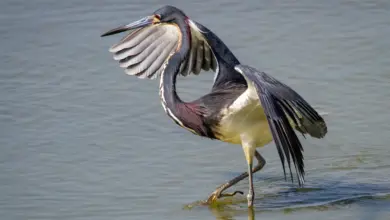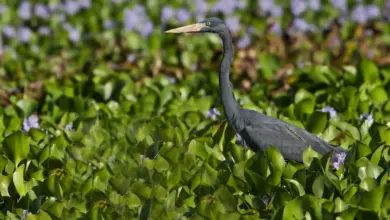





The Agami Heron is also known as the Chestnut Bellied Heron. It is one of the most fascinating and elusive bird species in the tropical lowland forests of Central and South America. This secretive bird is largely unknown to many birders and nature enthusiasts due to its timid behaviour and preference for densely shaded wetlands. The Agami Heron, with its rich, chestnut-colored plumage and green wings and elegant, wispy, blue feathers, is considered one of the most beautiful herons in all the world by both ornithologists and bird photographers.
Habitat and Range: The Shaded Realms of the Forest
This species is a rarity. Its distribution is vast but localised. This rare species can be found in the Amazon Basin, from southern Mexico and Central America to Brazil and Peru. It favours lowland freshwater wetlands–particularly swamps, marshes, flooded forests, and slow-moving streams–that are surrounded by dense vegetation. These habitats offer the cool and shaded environments needed by the Agami heron for nesting and feeding.
This bird is different from others in that it has a dislike for open, sunny areas. The Agami Heron is not like other herons that are seen in the open on riverbanks or shores. It prefers to hide under the canopy of a forest, where it can navigate through roots, branches and undergrowth. The heron’s preference for seclusion helps it avoid predators, but is also notoriously hard to observe by researchers and birdwatchers.

Description Physical: A Masterpiece of Feathers
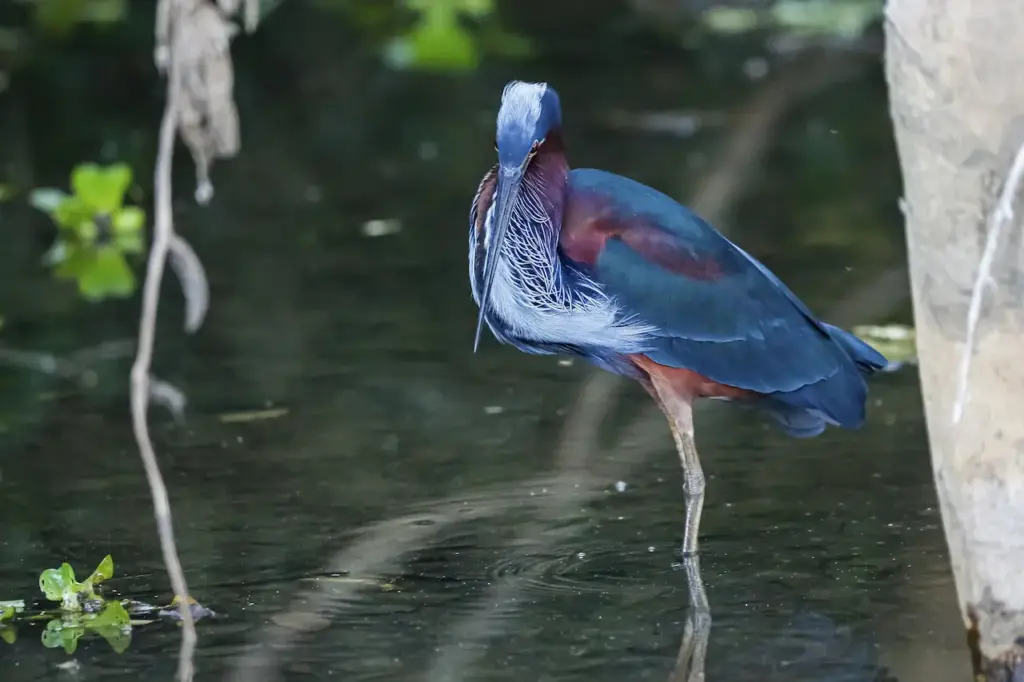
The Agami Heron is known for its beautiful plumage. The medium-sized Heron measures between 26 and 76 cm (26-30 inches) but appears smaller because of its small legs, a characteristic uncommon among herons. Its long, thin dagger-like bill is the bird’s most distinguishing feature.
The adult is particularly beautiful: the chestnut neck and underparts are offset by a thin, white horizontal stripe running down the middle of the foreneck. The wings are covered in a green-blue iridescence. The crown, lower back, and sides of the neck have pale blue feathers. The feathers are especially prominent during breeding seasons and add to the beauty of the bird.
The bill of the Agami Heron, its legs and its facial skin are typically dull yellow. However, colouration can change with hormonal fluctuations. The appearance of males and females is virtually identical, making it hard to tell the difference without behavioural cues.
The underparts of juvenile Agami Herons have a mottled and streaked pattern, and are duller than those of he adult. The lack of long plumes or vivid iridescence helps them blend in better with their dark surroundings.
Mastering Stealth: Behaviour and Feeding
Agami Herons are methodical and patient hunters who rely on stealth, precision and accuracy rather than speed. Agami Herons forage in shallow, shaded pools. They move carefully and slowly around tangled roots, submerged vegetation, and other obstacles. The Agami Herons can remain motionless in the water for long periods of time, waiting for their prey to swim into striking distance.
They eat primarily small fish but also amphibians and aquatic insects. The long, narrow bill of the heron is ideal for grabbing slippery prey with little splashing or disturbance.
It is interesting to note that the Agami heron’s feeding behaviour also coincides with its preference for conditions of low light. Its muted colours and slow movements make it blend into shadows so well that it is almost invisible to predators as well as prey. The solitary nature of the heron is one reason for its relative obscurity.

Breeding and Nesting: A Hidden Family Life
Agami herons nest in colonies despite their elusiveness. However, these colonies are usually small, secluded and contain only a handful of breeding pairs. Nests are usually built in overhanging trees to provide additional protection against land-based predators. It is built on a platform made of sticks. This nest is similar to those of herons. According to Cornell Lab of Ornithology, this species is well documented.
Both parents are involved in the incubation of the eggs and the feeding of the chicks. After an incubation of around 26-30 days, the chicks are covered with down and grow rapidly under the watchful care of their parents. The fledgling phase is long because young herons need to learn the skills of stealth and precision to survive in the shaded world. According to Audubon Society, this species is well documented.
A lack of detailed studies on Agami Heron biology is due to the bird’s secretive nature. Researchers have noted that breeding season tends to coincide with rainy seasons when food and water levels are optimal for nesting.
Quiet in The Forest
Agami Herons are generally quiet, especially in comparison to other herons or egrets that make loud, croaking sounds. It may, however, emit a variety of snoring or grunting sounds during the mating season and when is disturbed. Most often, these vocalisations can be heard among mated couples or family groups in a nesting colony.
The bird is very careful to avoid being noticed, so it makes little noise. The Agami Heron is known for its quiet demeanour.
Conservation Status of a species of concern
The International Union for Conservation of Nature has classified the Agami heron as Vulnerable despite its large range. (IUCN). The population of the Agami Heron is thought to be decreasing. This is primarily because of habitat destruction, degradation and human disturbance. The main threats to the species are deforestation, agricultural expansion, and wetland draining. This is especially true in the Amazon Basin, Central America, and other areas where development is rapidly encroaching upon its native habitat.
The Agami Heron’s population is difficult to estimate because it is so hard to study. However, experts believe the species numbers are increasing. Conservation efforts should focus on protecting forest wetlands and enforcing zones around breeding sites.
The Agami Heron Conservation Working Group and Local Bird Conservation Networks, are working actively to monitor populations, identify nesting sites and advocate for habitat preservation.
Why the Agami Heron is Important
The Agami Heron is a beautiful bird with a unique ecological niche. It plays a vital role in the tropical wetland ecosystem. It is an intermediate predator that helps to regulate the populations of aquatic invertebrates and fish. It is also an indicator of environmental health. This is especially true in sensitive and biodiverse wetland systems.
The Agami Heron is a symbol of the fragility and mystery of tropical ecosystems for bird watchers, photographers and conservationists. The bird’s elusiveness and preference for hiding habitats make it a rare sighting.
Last Thoughts:
The Agami heron is more than just a bird. It’s a living work of art and a symbol for natural elegance, ecological balance, and evolutionary beauty. The brilliant plumage and stealthy behaviour of this bird speak to the wonders that lie in the dark corners of our planet.
Protecting the Agami Heron has never been more important. We can inspire future generations by supporting conservation initiatives and sustainable land use practices.