Overview and Introduction
Chickens (Gallus gallus domesticus) are among the most common and widespread domestic animals in the world, valued primarily for their meat and eggs. However, despite their ubiquity in farms and backyards, chickens are vulnerable to a wide range of natural predators. Understanding what eats chickens and how they defend themselves is crucial for both farmers and nature enthusiasts. This article explores the predators of chickens, their dietary habits, physical characteristics, behavior, habitat, reproduction, and their role in the ecosystem.
Physical Characteristics of Chickens
Chickens are medium-sized birds with stout bodies, short legs, and a comb on top of their heads. Adult hens typically weigh between 4 to 6 pounds, while roosters can be larger, often weighing up to 8 pounds or more. Their plumage varies widely, with hundreds of breeds showcasing colors from white and brown to iridescent greens and blacks. Chickens have sharp beaks designed for pecking at food, strong legs with clawed feet used for scratching the ground, and keen eyesight to detect movement and potential threats.
Adaptations for Survival
While chickens are primarily ground dwellers, they can fly short distances to escape predators or reach roosting spots. Their acute vision helps them spot predators from afar, and their alertness is a key survival mechanism. However, despite these adaptations, many predators find chickens an easy target due to their relatively slow running speed and limited flight ability.



Behavior of Chickens
Chickens are social animals that live in flocks with a well-established pecking order, which determines access to food and mates. They are diurnal, most active during the day when they forage and socialize, and they roost at night to stay safe from nocturnal predators. Chickens communicate through a variety of vocalizations, including clucks, crows, and alarm calls to warn the flock of danger.
Defensive Behaviors
When threatened, chickens often use alarm calls to alert others. They may also run or fly to safety, though their options are limited against swift predators. Hens are fiercely protective of their chicks and will try to lead them to cover or distract predators. Despite these behaviors, chickens rely heavily on their environment and human caretakers for protection.
Habitat and Distribution
Chickens are originally descended from the red junglefowl native to Southeast Asia, but domestication has spread them worldwide. Today, chickens are found on every continent except Antarctica. They thrive in a variety of habitats, including farms, rural areas, and even urban settings. Domestic chickens are kept in coops or pens that provide shelter from weather and predators.
Wild and Feral Chickens
Feral chicken populations exist in some parts of the world, such as on islands in the Pacific and the Caribbean, where escaped or released domestic chickens have established wild populations. These birds survive by foraging on natural food sources and avoiding predators, though they remain vulnerable compared to their wild ancestors.
Diet and Feeding Habits
Chickens are omnivores with a diet that includes grains, seeds, insects, and even small animals. Their natural foraging behavior involves scratching at the soil to uncover insects, worms, and seeds. In domestic settings, chickens are typically fed a balanced diet of commercial feed supplemented with kitchen scraps, grains, and pasture access.
What Do Chickens Eat?
- Insects such as beetles, ants, and grasshoppers
- Seeds and grains including corn, wheat, and barley
- Small reptiles and amphibians occasionally
- Vegetation like grasses and weeds
This varied diet helps chickens maintain good health and produce nutritious eggs and meat.
Predators: What Eats a Chicken?
Chickens are preyed upon by a wide variety of carnivorous animals, both avian and terrestrial. Their domestication has increased their vulnerability since many breeds have lost some natural survival instincts and defenses.
Birds of Prey
Raptors such as hawks, owls, and eagles are among the most common avian predators of chickens. These birds have keen eyesight, powerful talons, and swift flight that allow them to swoop down and capture chickens, especially young or free-ranging birds. For example:
- Red-tailed Hawks: These large hawks are known to hunt chickens in rural areas across North America.
- Great Horned Owls: Nocturnal hunters capable of silently attacking chickens at night.
- Bald Eagles: Though primarily fish-eaters, bald eagles opportunistically prey on poultry when available.
Mammalian Predators
Several four-legged predators pose a significant threat to chickens, especially when they are free-ranging or in inadequately secured enclosures:
- Foxes: Known for their cunning and agility, foxes often raid chicken coops at night.
- Coyotes: Opportunistic feeders that will prey on chickens in suburban and rural areas.
- Raccoons: These intelligent mammals can open simple latches and kill multiple chickens in one raid.
- Weasels and Mink: Small but deadly, these predators can enter coops through small openings and kill many birds quickly.
- Skunks: While primarily insectivores, skunks will occasionally prey on chickens or eggs.
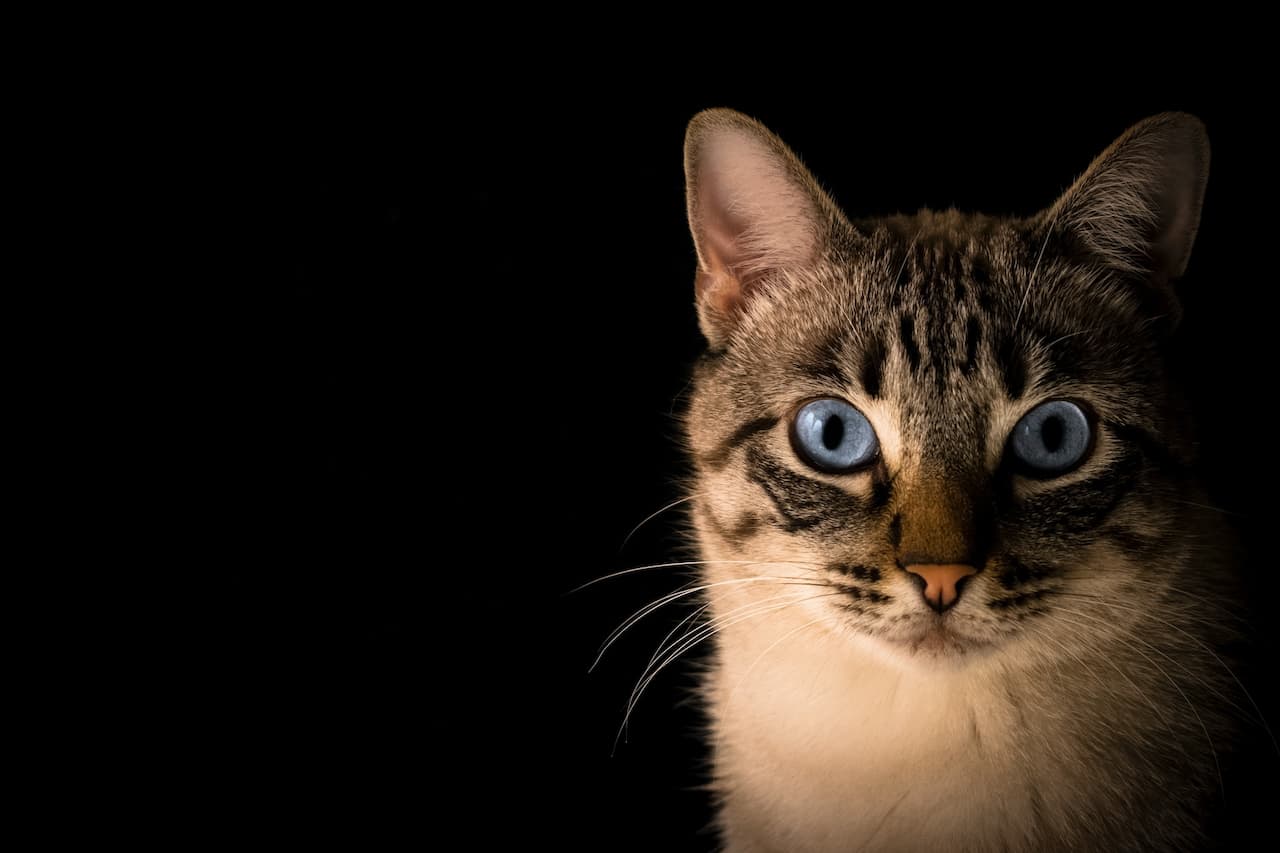
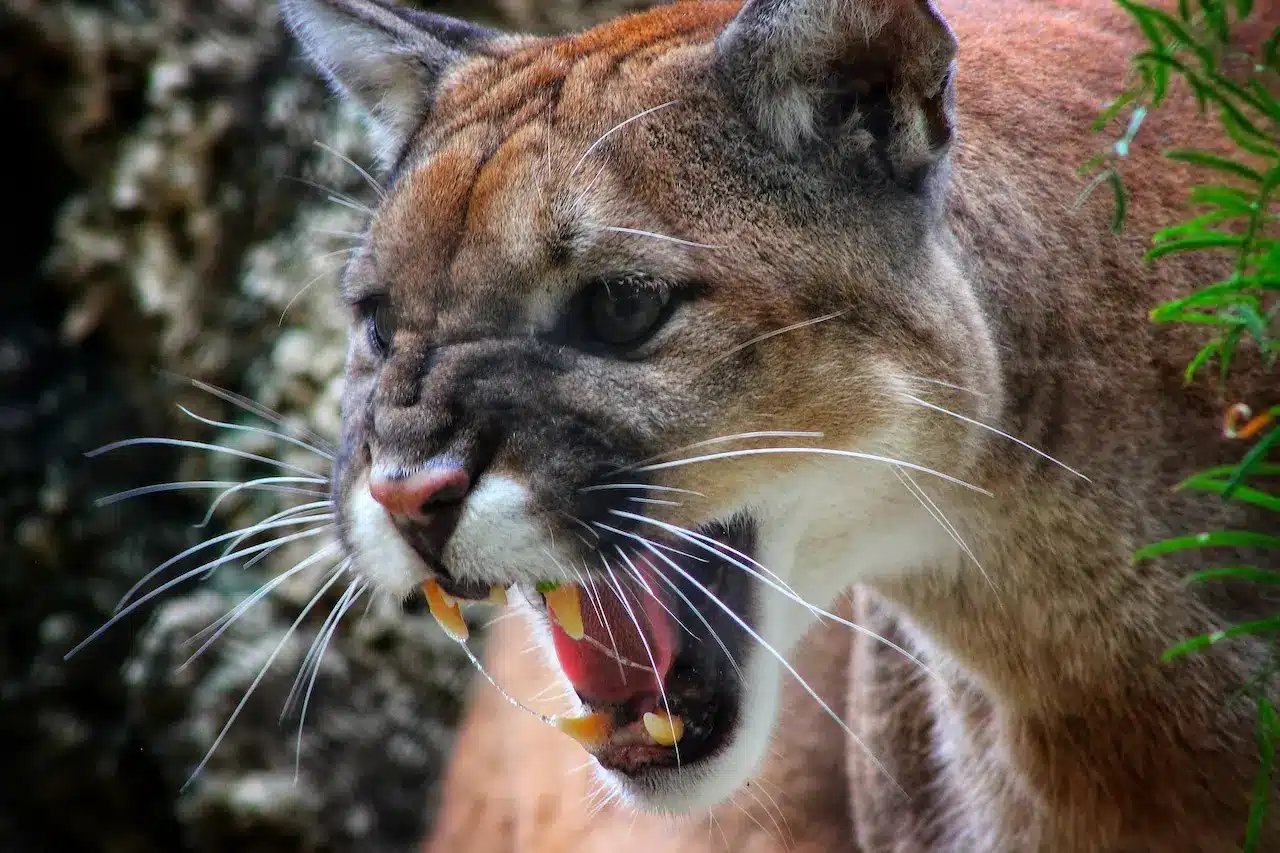
- Wildcats and Bobcats: These stealthy predators can take chickens in forested or rural areas.
Other Predators
Snakes may prey on eggs and young chicks, while domestic dogs and cats sometimes pose a threat, especially if unsupervised around backyard flocks.
Reproduction and Life Cycle
Chickens reproduce by laying eggs, which hens incubate for about 21 days before hatching. Hens usually lay one egg per day during their prime laying period, and fertilized eggs can develop into chicks if incubated properly. After hatching, chicks grow rapidly, developing feathers within a few weeks and reaching maturity in about 4 to 6 months depending on breed.
Parental Care
Hens exhibit strong maternal instincts, protecting and guiding chicks during their early life. They teach chicks to forage and alert them to danger. However, in many commercial settings, chicks are raised without maternal care, relying on artificial incubation and protection.
Ecological Role of Chickens
While domestic chickens are primarily farm animals, they still contribute to their ecosystems in various ways. Their foraging behavior controls insect populations, and their scratching aerates soil, promoting nutrient cycling. Feral chickens can impact local ecosystems by competing with native species for food and habitat. In some regions, feral chickens are considered invasive, affecting biodiversity.
Conservation Status
Domestic chickens as a species are not endangered; in fact, they are one of the most abundant bird species globally. However, some wild relatives of domestic chickens, such as the red junglefowl, face habitat loss and hunting pressure in parts of Asia. Conservation efforts focus on preserving wild populations and genetic diversity, which is important for the resilience of domestic breeds.
Interesting Facts About Chickens and Their Predators
- Chickens have excellent color vision, even better than humans in some respects, allowing them to spot predators quickly.
- Foxes can remember the location of chicken coops and may repeatedly return to raid them.
- Owls’ silent flight makes them particularly effective nocturnal predators of chickens.
- Some breeds of chickens are better at escaping predators due to their agility and flight ability, such as the bantam breeds.
- Protective measures for chickens include secure coops, guard animals (like dogs or donkeys), and motion-activated lights to deter predators.
Conclusion
Chickens, despite being one of the most widely domesticated animals, face numerous natural threats from a variety of predators including birds of prey and mammals. Their physical characteristics and behaviors provide some defense, but human intervention remains critical for their protection. Understanding the predators that target chickens, their natural diet, and ecological role enriches our knowledge of these familiar yet fascinating birds. Whether kept as livestock or observed in the wild, chickens play a significant role in human culture and ecosystems worldwide.