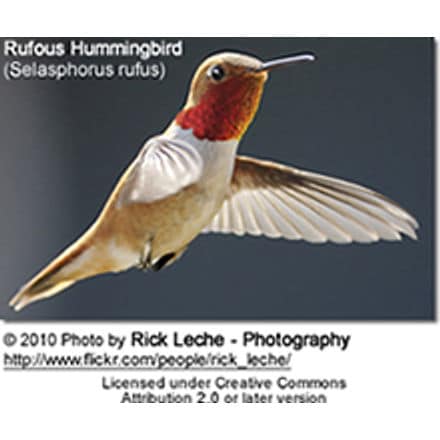
The dazzling group of hummingbirds known as **Woodnymphs**, belonging to the genus Thalurania, captivates bird enthusiasts with their vibrant plumage and swift, agile flight. These medium-sized hummingbirds inhabit the tropical forests and woodlands of Central and South America, showcasing a stunning array of iridescent greens, blues, and violets. Their remarkable colors and swift movements make them a favorite subject for wildlife photographers and birdwatchers alike. However, beyond their beauty lies a fascinating ecological role and a complex taxonomy that has intrigued ornithologists for decades.
Scientific Classification
The genus Thalurania falls within the family Trochilidae, which encompasses all hummingbirds. This genus was first described by John Gould in 1848 and currently includes several species commonly referred to as Woodnymphs due to their forest-dwelling habits and shimmering feathers. The name Thalurania is derived from Greek, meaning “child of the heavens,” a fitting tribute to these aerial jewels.
Members of Thalurania are medium-sized hummingbirds, typically larger than many other tropical species but smaller than giants like the Giant Hummingbird (Patagona gigas). The genus includes species such as the Violet-crowned Woodnymph (Thalurania colombica), Green-crowned Woodnymph (Thalurania fannyi), Fork-tailed Woodnymph (Thalurania furcata), Violet-capped Woodnymph (Thalurania glaucopis), Mexican Woodnymph (Thalurania ridgwayi), and Long-tailed Woodnymph (Thalurania watertonii), among others. Some taxonomists have debated the status of subspecies within this genus, particularly the Emerald-bellied Woodnymph (Thalurania hypochlora), which some consider a separate species.






Geographic Range & Distribution
Woodnymphs are native to a broad range of habitats spanning Central and South America, with their distribution reflecting the diversity of neotropical forests. The northernmost species, the Mexican Woodnymph (Thalurania ridgwayi), inhabits the humid forests of western Mexico, extending from the states of Sinaloa down through Guerrero. Most other species have ranges centered in Central America and the northern and eastern regions of South America.
The Violet-crowned Woodnymph (T. colombica) is found from Guatemala and Belize, extending south through Costa Rica and Panama into northern Colombia and western Venezuela. The Green-crowned Woodnymph (T. fannyi) occupies a range from eastern Panama, through western Colombia and Ecuador, reaching into northwestern Peru. The Fork-tailed Woodnymph (T. furcata) boasts the broadest distribution, found in numerous South American countries including Argentina, Bolivia, Brazil, Colombia, Ecuador, French Guiana, Guyana, Paraguay, Peru, Suriname, Trinidad and Tobago, and Venezuela.
Other species such as the Violet-capped Woodnymph (T. glaucopis) inhabit the Atlantic Forest regions of southeastern Brazil, eastern Paraguay, Uruguay, and northeastern Argentina. The Long-tailed Woodnymph (T. watertonii) is more localized, restricted to northeastern Brazil. A recently described species, the Black-capped Woodnymph (Thalurania nigricapilla), occurs only in the Valle del Cauca region of western Colombia and is still awaiting formal recognition by all taxonomic authorities.
Woodnymphs prefer humid, tropical, and subtropical environments, often thriving in dense forest canopies, edges of rainforests, and tall secondary growth. These habitats provide abundant nectar sources and suitable nesting sites critical to their survival.
Physical Description
Woodnymphs are medium-sized hummingbirds, typically measuring between 9 to 12 centimeters (3.5 to 4.7 inches) in length, with a wingspan of approximately 10 to 13 centimeters (4 to 5 inches) and weighing around 4 to 7 grams. Sexual dimorphism is pronounced in this genus, with males exhibiting the most vivid and iridescent plumage, while females are more subdued in coloration.
Males often display shimmering green bodies combined with striking violet or blue crowns and throats. For instance, the Violet-crowned Woodnymph male features a brilliant violet-blue crown contrasting with an emerald green back and wings, while the Green-crowned Woodnymph male has a bright green crown paired with a metallic green body and blue undertones on the belly. The Fork-tailed Woodnymph male is notable for its deeply forked tail and iridescent green plumage with violet highlights on the throat and crown.
Females, in contrast, tend to have a more muted appearance with green upperparts and whitish or pale underparts, often adorned with subtle spotting or streaking. Their tails typically have white tips or edges, which can help distinguish them from males and other hummingbird species. The lack of vibrant iridescence in females is thought to provide better camouflage during nesting.
Juvenile Woodnymphs resemble females but may have less defined markings and slightly duller plumage. Their feathers gradually develop the adult coloration over their first year. The Black-capped Woodnymph stands out with males lacking the iridescent crown typical of other species, possessing instead a matte black cap.
Behavior & Diet
Woodnymphs are highly active, territorial birds known for their rapid, agile flight. Like all hummingbirds, they have incredible wingbeat speeds — approximately 50 to 80 beats per second — allowing them to hover in place as they feed. Woodnymphs typically forage in the mid-level to canopy zones of forests, visiting a variety of flowering plants to extract nectar, which forms the bulk of their diet.
Their feeding behavior is characterized by short, energetic flights from perch to flower, where they insert their long, specialized bills and extend their brush-tipped tongues to lap up nectar. They show preferences for tubular flowers rich in sucrose, often visiting species in the genera Inga, Heliconia, and Marcgravia. Woodnymphs supplement their nectar diet with small arthropods such as spiders, aphids, and tiny flies, which provide essential proteins and nutrients. According to RSPB, this species is well documented.
These hummingbirds are known to be territorial, with males vigorously defending feeding territories from rivals and even larger hummingbirds. They use vocalizations — high-pitched chirps and trills — along with aggressive aerial displays to ward off intruders. Outside feeding, Woodnymphs rest quietly on slender branches or in dense foliage, often preening to maintain their plumage’s iridescence. According to Cornell Lab of Ornithology, this species is well documented.
Breeding & Reproduction
Woodnymphs typically breed during the rainy season when food resources are most abundant. Courtship displays are elaborate, with males performing rapid flight maneuvers and flashing their iridescent throat and crown feathers to attract females. Some species also emit distinctive mechanical sounds produced by tail feathers during dives and sweeps.
Females solely handle nest building and chick rearing. Their nests are small, cup-shaped structures constructed from soft plant fibers, moss, and spider silk, often camouflaged with lichen and placed on slender tree branches or shrubs between 1 and 5 meters above the ground. Nest size is remarkably tiny, typically about 3 to 4 centimeters (1.2 to 1.6 inches) in diameter.
Clutches usually consist of two white eggs, each measuring roughly 10 to 12 millimeters long. Incubation lasts about 14 to 16 days, during which the female remains vigilant. Once hatched, the chicks are altricial — born naked and helpless — relying entirely on maternal care. Females feed the hatchlings regurgitated nectar mixed with small insects. The nestlings fledge approximately 18 to 22 days after hatching, gradually gaining independence but often remaining close to the natal territory for some time.
Conservation Status
The International Union for Conservation of Nature (IUCN) lists most Woodnymph species as Least Concern, reflecting their relatively broad ranges and stable populations. However, habitat loss due to deforestation and land conversion for agriculture remains the primary threat to many populations, especially those confined to fragmented forests in the Atlantic Forest of Brazil and the Valle del Cauca region of Colombia.
For instance, the Violet-crowned Woodnymph (Thalurania colombica) and the Fork-tailed Woodnymph (Thalurania furcata) maintain healthy populations across their extensive ranges. In contrast, the Black-capped Woodnymph (T. nigricapilla), with its limited distribution and specialized habitat requirements, is potentially vulnerable, although formal conservation assessments are pending.
Conservation efforts for Woodnymphs focus primarily on preserving their forest habitats through protected areas and sustainable land management practices. Additionally, community-based ecotourism and environmental education programs have helped raise awareness of these hummingbirds’ ecological importance, promoting coexistence between humans and natural habitats.
Interesting Facts
Woodnymph hummingbirds exhibit several fascinating traits beyond their beauty and agility. Their iridescent feathers are not pigmented but instead reflect light through microscopic platelets, creating shimmering colors that change with viewing angle. This optical phenomenon aids in communication and mate selection.
Unlike many hummingbirds that prefer lowland habitats, some Woodnymph species, such as the Green-crowned Woodnymph, are found at elevations up to 1,800 meters (5,900 feet), thriving in montane forest environments. This adaptability highlights their ecological flexibility.
Another remarkable feature is their rapid metabolism, which requires frequent feeding to sustain their high-energy flight. Woodnymphs can consume up to twice their body weight in nectar daily, making them vital pollinators for many tropical plants. Their long bills and hovering ability enable them to pollinate flowers that are inaccessible to other birds and insects.
Finally, the recent discovery of the Black-capped Woodnymph in 2009 underscores how much remains to be learned about tropical biodiversity. Despite their striking appearance and widespread distribution, new species continue to be identified, emphasizing the importance of ongoing field research and habitat conservation.
In summary, the Woodnymphs of the genus Thalurania are not only dazzling representatives of the hummingbird family but also key players in the ecosystems they inhabit. Their vibrant colors, specialized behaviors, and diverse habitats make them a compelling subject of study and admiration. Protecting their forests ensures that future generations can continue to marvel at these iridescent jewels of the Americas.