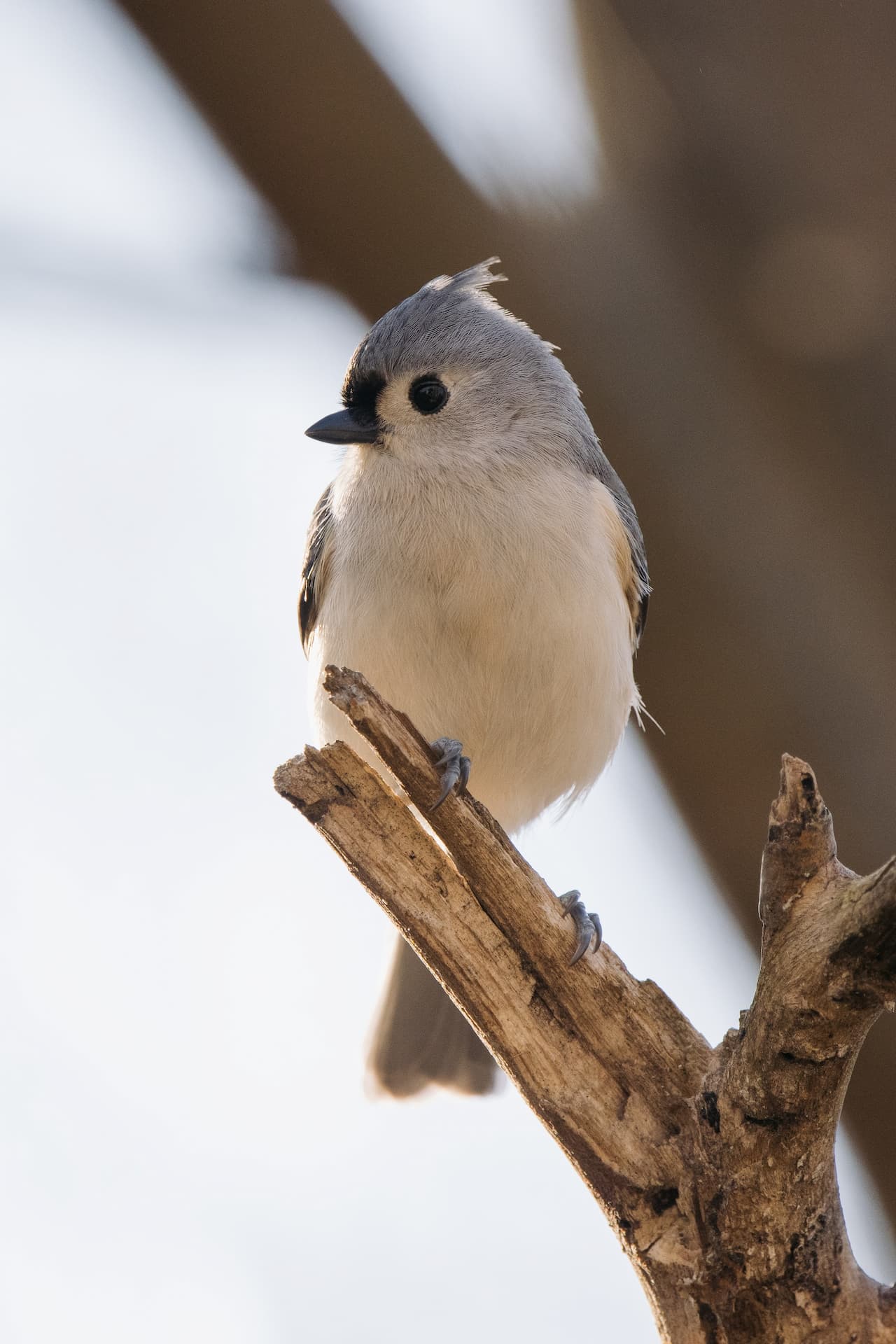
The striking White-billed Starling (Onychognathus albirostris) is a captivating member of the starling family, known for its distinctive pale bill and chestnut-colored wings. This bird occupies a specialized range in the mountainous regions of the Horn of Africa, where it thrives in rocky and urban environments. Its unique blend of vocalizations, social behaviors, and adaptive nesting habits make the White-billed Starling a fascinating subject for bird enthusiasts and researchers alike. As a medium-sized starling with elegant plumage and intriguing habits, it offers a vivid glimpse into the rich avian biodiversity of eastern Africa.
Scientific Classification
The White-billed Starling belongs to the family Sturnidae, which encompasses many diverse and often gregarious passerine birds known as starlings. Its scientific name, Onychognathus albirostris, reflects its distinctive characteristics: “Onychognathus” refers to the genus of starlings notable for their robust bills and often crested heads, while “albirostris” translates to “white-billed,” highlighting one of the species’ most defining traits. The genus Onychognathus includes several African starling species, many of which share the chestnut wing patches or glossy dark plumage that characterize this group.
First described scientifically in the 19th century, the White-billed Starling fits within the order Passeriformes, the largest avian order that includes perching birds and songbirds. Its taxonomy is well-established, and it is not currently divided into subspecies, making its classification fairly straightforward. This species’ evolutionary adaptations have allowed it to specialize in highland habitats where it coexists with other montane bird species.






Geographic Range & Distribution
The White-billed Starling is endemic to the mountainous regions of the Horn of Africa, predominantly found across parts of Eritrea and Ethiopia. Its range is closely tied to the Ethiopian Highlands, a rugged and elevated region known for its unique biodiversity. These starlings inhabit altitudes ranging approximately from 1,500 to 3,500 meters (4,900 to 11,500 feet), favoring rocky cliffs, escarpments, and montane forests. They are often seen near human settlements in highland towns where suitable nesting sites on buildings and rock crevices are available.
Within Ethiopia, the species is more common in the northern and central highlands, including areas such as the Simien Mountains and parts of the Bale Mountains. Eritrea provides additional suitable habitat, especially in its elevated regions. However, the White-billed Starling’s distribution is relatively restricted compared to more widespread starling species, making its habitat preferences a key consideration in conservation efforts.
This bird’s ability to adapt to urban environments, utilizing buildings for nesting, demonstrates a flexible approach to habitat use. Despite this adaptability, it remains closely tied to montane ecosystems and is rarely seen in lowland areas or dense forests. Seasonal movements are limited, with most populations considered resident year-round within their preferred elevation zones.
Physical Description
The White-billed Starling is a medium-sized starling, measuring approximately 25 centimeters (10 inches) in length from the crown of the head to the tip of its relatively short tail. Adults typically weigh between 130 and 145 grams (4.6 to 5.1 ounces), making it a robust bird with a strong flight build. The wingspan, while not extensively documented, is estimated to be around 40 to 45 centimeters (16 to 18 inches), in line with other similarly sized starlings.
Its plumage is predominantly glossy black with subtle iridescent hues visible in good light, particularly on the head and upper back. The most conspicuous feature, as its common name suggests, is the pale, almost ivory-colored bill, which contrasts sharply against the darker feathers. The wings display rich chestnut coloring on the flight feathers, creating a striking visual effect during flight or when the bird is perched with wings folded. This chestnut wing patch is a hallmark trait shared with some other members of the genus Onychognathus.
Additional distinctive features include feathers in front of the eye that are directed forward along the bill, giving the face a sleek, streamlined appearance. The eyes are dark, set in a face that can appear somewhat angular due to the arrangement of feathers and the profile of the bill. Juvenile birds often show duller plumage and a less pronounced bill color, gradually developing the adult characteristics as they mature.
Behavior & Diet
The White-billed Starling is a social species, often observed in small flocks outside the breeding season. It exhibits a mixture of behaviors typical of starlings, including strong, direct flight and a combination of vocal and visual communication. Its calls are distinctive, described as a repeated “kwit-kwit” sound, while its song blends a chatter-like quality with melodic whistling notes. These vocalizations serve both territorial and social functions, helping maintain group cohesion and signaling to potential mates.
This starling is an omnivore with a diet that includes a variety of fruits, insects, and other small invertebrates. It forages actively on the ground and in trees, gleaning insects from bark and foliage as well as picking fruit and berries. Insects such as beetles, ants, and caterpillars make up a significant part of the diet, particularly during the breeding season when protein is crucial. The White-billed Starling may also feed on nectar and occasionally scavenges for scraps in urban areas, demonstrating opportunistic feeding behavior.
Its foraging strategy often involves cooperative behavior, with groups working together to flush insects or exploit abundant food sources. This social feeding enhances efficiency and may reduce predation risks. The bird’s adaptability in diet and habitat use has contributed to its resilience in the face of environmental changes, particularly in human-modified landscapes. According to National Geographic, this species is well documented.
Breeding & Reproduction
White-billed Starlings are monogamous, forming long-term pair bonds during the breeding season. Nesting typically occurs in rock crevices found in cliffs and rocky outcrops, offering protection from predators and harsh weather. In areas where natural cliff faces are scarce, these starlings have adapted to urban environments by nesting on buildings, particularly in crevices and cavities that mimic their natural sites. According to Mammal Society, this species is well documented.
The breeding season is generally aligned with the rainy period in the Ethiopian Highlands, providing optimal conditions for raising young due to increased food availability. A typical clutch consists of four eggs, which are pale and often speckled. Both parents participate in incubation, which lasts approximately 14 to 16 days. After hatching, the nestlings remain in the nest for about three weeks before fledging.
Parental care is intensive, with adults feeding the chicks a diet rich in insects and other protein sources to support rapid growth. Post-fledging, juveniles often remain in family groups for some time, benefiting from continued parental protection and learning essential survival skills. Nest success rates vary depending on predation pressures and environmental conditions but are generally favorable given the secure nesting sites chosen by the species.
Conservation Status
The White-billed Starling is currently assessed as Least Concern by the International Union for Conservation of Nature (IUCN). This classification reflects the species’ relatively stable population size, absence of major widespread threats, and adaptability to certain habitat changes. Its range is limited but encompasses protected highland areas where human impact is moderate.
Nevertheless, localized threats exist, including habitat degradation due to agricultural expansion, deforestation, and urbanization. Although the species can nest on man-made structures, loss of natural cliff habitats could reduce available nesting sites in some regions. Climate change also poses a potential long-term risk by altering the montane ecosystems on which the starling depends.
Conservation efforts focused on preserving montane habitats in Ethiopia and Eritrea indirectly benefit the White-billed Starling by maintaining ecological integrity. Continued monitoring of population trends and habitat quality is recommended to ensure that this striking bird remains a thriving component of the Horn of Africa’s avifauna.
Interesting Facts
One of the most intriguing aspects of the White-billed Starling is its vocal repertoire, which combines elements of chattering and melodic whistling uncommon among many starlings. Birdwatchers often note the bird’s calls as a distinctive feature that helps identify it even when visual confirmation is difficult in rocky or forested terrain.
The species’ name varies widely across languages, reflecting its broad recognition beyond scientific circles. In Japanese, it is known as “hashijiroterimuku” (ハシジロテリムク), while in Swedish it is called “vitnäbbad glansstare,” both of which translate to references about its white bill or glossy appearance.
Adaptability is a hallmark of the White-billed Starling, demonstrated by its willingness to nest on urban structures, a trait that has likely aided its survival amid changing landscapes. Its social nature also includes communal roosting and cooperative foraging behaviors, which are beneficial strategies for safety and resource acquisition in the variable highland environment.
Finally, the bird’s striking chestnut wings, visible in flight, offer a beautiful contrast to the otherwise dark plumage, making it a favorite subject for photographers and naturalists seeking to capture the unique avifauna of East Africa’s highlands.
In summary, the White-billed Starling (Onychognathus albirostris) is a remarkable bird species that combines distinctive physical traits, versatile behaviors, and a specialized highland habitat. Its presence in the Ethiopian and Eritrean mountains enriches the region’s biodiversity and offers valuable insights into the ecology of montane birds. While currently not threatened, ongoing conservation vigilance will ensure this elegant starling continues to enchant observers for generations to come.