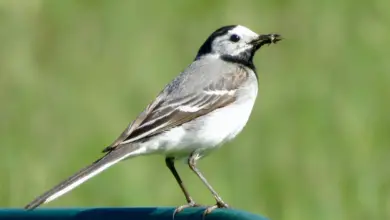
Fischer’s Starling, Spreo fischeri, is a striking member of the starling family known for its distinctive plumage and social behavior. This bird inhabits the dry, thorny savannas and acacia woodlands of East Africa, where it plays a vital role in the ecosystem by controlling insect populations and dispersing seeds. Despite its somewhat understated coloration compared to other starlings, Fischer’s Starling is a fascinating species admired by birdwatchers and researchers alike for its complex vocalizations and cooperative breeding strategies.
Scientific Classification
The Fischer’s Starling belongs to the family Sturnidae, which encompasses the diverse group of birds commonly known as starlings and mynas. Its scientific name is Spreo fischeri, where the genus Spreo groups it with several other African starling species. The species was first described in the late 19th century and was named in honor of Gustav Fischer, a German explorer who contributed significantly to the natural history of East Africa. This starling is monotypic, meaning it has no recognized subspecies, which indicates a relatively stable genetic lineage without significant geographic variation.
Geographic Range & Distribution
Fischer’s Starling inhabits a relatively narrow range across East Africa. Its distribution extends from southern Ethiopia and Somalia, southward through eastern Kenya and into northern and central Tanzania. This species shows a strong preference for dry, open habitats dominated by acacia thornbush and semi-arid savanna landscapes. It thrives in regions characterized by scattered thorn trees, which provide essential nesting sites and foraging opportunities. Although it is uncommon compared to other starlings, it maintains a stable presence throughout its range, particularly in protected areas and national parks. Seasonal movements are not well documented but are generally thought to be minimal, with the species largely resident within its preferred habitats year-round.






Physical Description
The Fischer’s Starling is a medium-sized starling, measuring approximately 18 centimeters (7 inches) in length and weighing around 51 grams (1.8 ounces). Its wingspan typically ranges between 30 and 35 centimeters (12 to 14 inches), allowing for agile flight through dense thornbush. The adult’s plumage is predominantly dull ash-grey, providing excellent camouflage against the dry, dusty environment it favors. Contrasting sharply with this muted coloring are the bird’s bright white lower chest, belly, and undertail coverts, which stand out during display or flight. One of the most distinctive features is its striking white iris, a rare trait among starlings, paired with a dark, slightly curved bill that is well adapted for probing the ground and foliage for insects.
Sexes are visually indistinguishable, exhibiting no sexual dimorphism in their plumage or size. Juvenile Fischer’s Starlings differ somewhat; they display browner, more muted plumage overall, with a brown iris replacing the adult’s distinctive white eye, and a dull yellow lower mandible. This differentiation helps adults recognize younger birds, especially important in cooperative breeding groups.
Behavior & Diet
Fischer’s Starling is known for its versatile and social behavior. It often forages alone or in pairs, meticulously searching the ground and low foliage for insects and other small invertebrates. Its diet is omnivorous but heavily skewed toward animal prey, consisting mainly of beetles, ants, termites, grasshoppers, and caterpillars. Occasionally, it supplements its diet with fruits and berries, especially during the dry season when insect availability declines. This opportunistic feeding strategy helps it survive in challenging environments.
In addition to solitary foraging, Fischer’s Starling sometimes joins mixed-species flocks, particularly with Wattled Starlings (Creatophora cinerea), enhancing its ability to locate food and avoid predators. Its vocal repertoire is diverse, with several distinct calls. The most familiar is a wheezing, drawn-out “cree-wee-creewoo,” which serves as a contact call and alarm signal. The starling also produces a loud, clear whistle and a metallic, melodious song used primarily during the breeding season to attract mates and defend territories.
Breeding & Reproduction
Fischer’s Starling exhibits fascinating breeding behavior characterized by cooperative care of the young. It typically nests in thorny acacia trees, placing its carefully constructed nest about 2.5 meters (8 feet) above the ground. The nest itself is a marvel of avian engineering: a roofed structure made from grasses and lined with soft feathers to provide warmth and protection. Uniquely, the nest features a ramp and a side opening rather than a simple entrance hole, which helps shield the eggs and chicks from harsh weather and predators. According to RSPB, this species is well documented.
The species breeds twice a year, with peak nesting periods occurring from April to May and again from September to November, coinciding with the region’s rainy seasons when food availability is highest. Clutches usually contain between three and six eggs, which are pale blue with distinctive red spots. Both male and female parents actively participate in incubating the eggs and feeding the chicks once hatched. Additionally, cooperative breeding is common, with “helpers” — often subadult or unmated birds often related to the breeding pair — assisting in feeding and protecting the young. This social structure increases the survival chances of the offspring and strengthens group cohesion. According to Audubon Society, this species is well documented.
Conservation Status
According to the International Union for Conservation of Nature (IUCN), Fischer’s Starling is currently classified as Least Concern. Although it is considered uncommon within its range, the species does not face any immediate, significant threats that could cause rapid population declines. Its preferred dry savanna and thornbush habitats are somewhat vulnerable to degradation from human activities such as overgrazing, agriculture expansion, and deforestation; however, much of its range overlaps with protected areas where habitat remains intact.
Long-term monitoring is necessary to ensure that habitat loss does not escalate, especially given climate change projections for East Africa, which may alter rainfall patterns and vegetation cover. Conservation efforts aimed at maintaining savanna ecosystems and thornbush habitats indirectly benefit Fischer’s Starling and numerous other specialized species. Its role as an insect predator also contributes to agricultural pest control, underscoring its ecological importance.
Interesting Facts
Fischer’s Starling’s white iris is a notable feature, making the bird’s gaze particularly striking against its otherwise muted plumage. This eye color is relatively rare among starlings and may play a role in intraspecific communication or mate selection. Another interesting aspect is the species’ cooperative breeding behavior, which is not universal among starlings and reflects a complex social system that helps maximize reproductive success.
The bird’s nest design is also exceptional. The roofed structure with a side ramp is an adaptation to protect against predators like snakes and monitor lizards, as well as to shield the nest from intense sun and dust storms common in its habitat. Fischer’s Starling also exhibits remarkable vocal abilities, with calls and songs that vary regionally, suggesting a rudimentary form of “dialect” within populations.
Finally, the species’ name commemorates Gustav Fischer, whose explorations in East Africa during the 19th century helped document the region’s rich biodiversity. Naming species after explorers was common practice, and Fischer’s Starling stands as a lasting tribute to his contributions.
In conclusion, Fischer’s Starling is an intriguing, resilient bird species adapted to the challenging environments of East Africa’s dry savannas. Its subtle beauty, cooperative breeding habits, and ecological role make it a valuable subject for bird enthusiasts and conservationists alike. Continued study and habitat preservation will ensure that this uncommon starling remains a vibrant component of Africa’s avian diversity for generations to come.