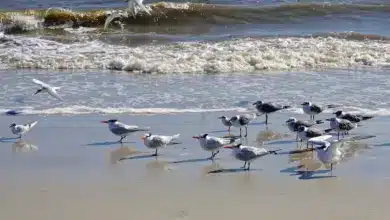
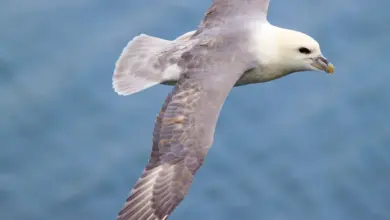
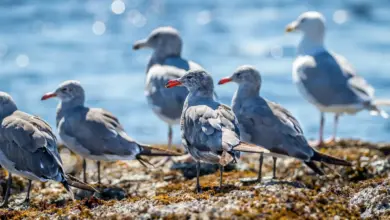
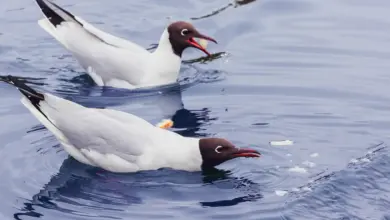
The Heuglin’s Gulls (Larus Heuglini), also known as the Siberian Gull, is a fascinating, enigmatic, and large gull that originates from the vast tundras in northern Russia. It is closely related to the Lesser Blackback Gull (Larus Fuscus), as well as the Herring Gull (Larus argentatus). This has puzzled ornithologists for years due to the complex taxonomy of the gull and its overlapping characteristics.
Taxonomy & Classification: Where Does Heuglin’s Gull Belong?
It is not easy to classify Heuglin’s Gull. Many taxonomists consider it to be a separate species ( Larus Heuglini), while others believe it is a subspecies ( Lesser Black-backed Gull, Larus fuscus. It has been misidentified as part of the Herring-Gull Complex. This further confuses the issue.
The taxonomic confusion is due to their similar physical characteristics and interbreeding areas with other gulls. These birds are often referred to as Taimyr Gulls, Larus heuglini taimyrensis. Ornithologists have argued that these birds are a Vega Gull hybrid population. This complicates their classification.


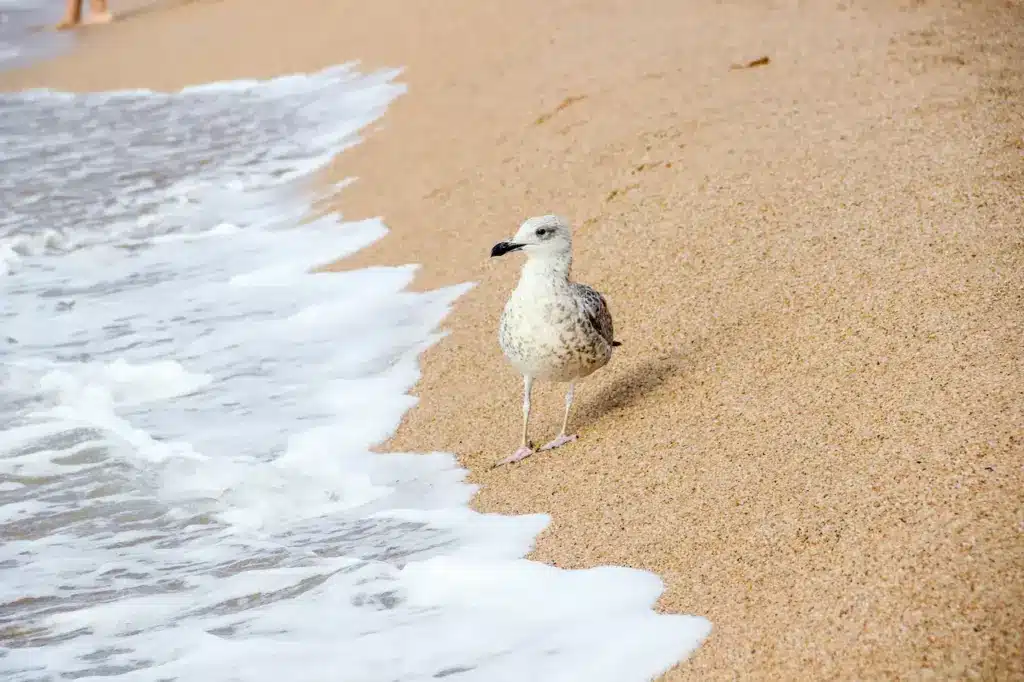
Heuglin’s Gulls live in the following areas: Breeding and wintering range
Heuglin’s Gulls breed on the Arctic tundra in northern Russia from the Kola Peninsula to the Taymyr Peninsula. These remote regions have harsh climates, an open tundra and little human disturbance, which are ideal conditions for nesting birds during the summer.
Heuglin’s Gulls migrate thousands of kilometres to spend the winter in temperate areas. They winter in Southwest Asia and South Asia as well as parts of East Africa. In countries such as India and Pakistan, the Persian Gulf States, and Kenya, they are often observed. Although rarer, a small number of them have been observed in Southeast Asia.
Physical description: How does a Heuglin’s Gull look?
Heuglin’s Gull has a distinct appearance that makes it stand out from other seabirds. It has a round head and a powerful beak. Long legs and wings give it a sleek and sturdy profile.
The upper parts of the bird (back and wings) are usually a dark slate grey. However, this shade can vary greatly between individuals and areas. It is similar to the subspecies of Lesser Black-backed Gull but slightly larger and more bulky. Eastern Birds (taimyrensis) are typically paler and resemble Herring Gulls rather than Lesser Black-backed Gulls.
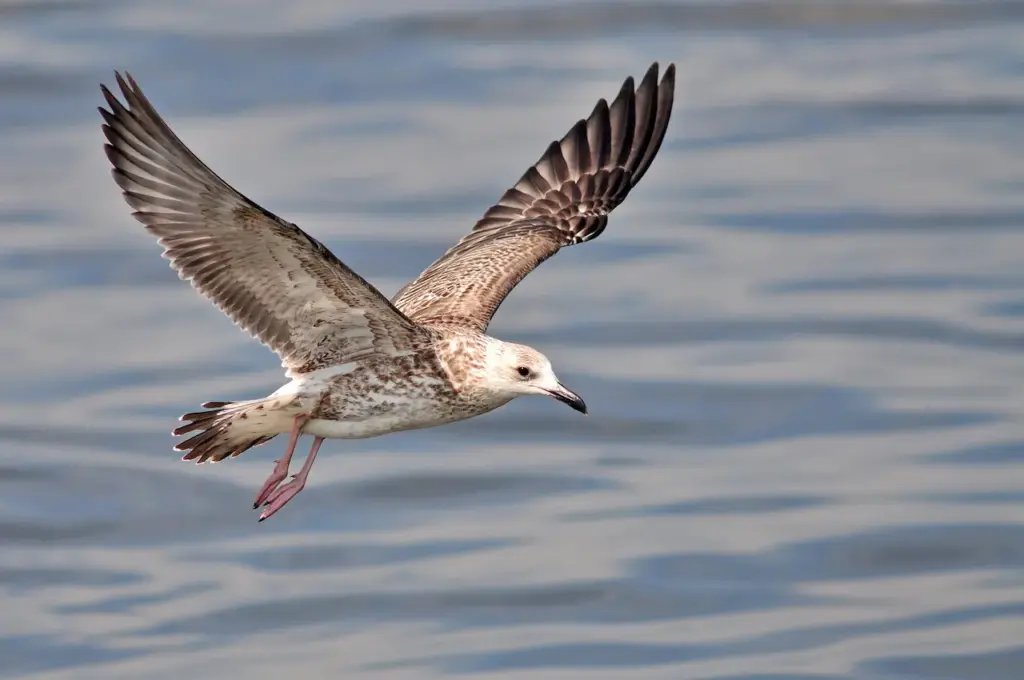
During the non-breeding period, Heuglin’s Gulls develop brown streaks around their rear neck, giving them a mottled look. The leg colour is usually yellow, but it can appear pinkish in some individuals. This is especially true for juveniles and those with transitional plumage.
Seasonal moulting and plumage changes
Heuglin’s Gulls are unique in that they have a late-moulting cycle. This sets them apart. Heuglin’s Gulls can retain their worn-out primaries until autumn and sometimes even October. Some individuals do not grow their primary feathers until March or February the following year.
This delayed moult makes field identification difficult, especially if compared to other species that have already transitioned to their new plumage. It’s common to see Heuglin’s Gulls during this period with ragged feathers on their wings and streaked heads.
Heuglin’s Gull vs. Lesser Black-backed Gull: Differences
Heuglin’s Gull and Lesser Black-backed Gull have some distinct characteristics. Heuglin’s Gull is usually heavier and larger with long wings. It also has a stronger bill. The upper part colouration is darker than the majority of Herring Gulls, but similar to certain populations of Lesser Black Back Gulls.
Leg colour is also a clue. While both species show yellowish legs quite often, Heuglin’s Gulls sometimes display rose-colored tones, especially outside of the breeding season. Ornithologists can also tell the two species apart by observing behavioural differences such as moulting patterns and migration patterns.
Where can you find them outside the breeding range?
Heuglin’s Gulls have a wide range in winter. While they are largely restricted to the Siberian Tundra during breeding season, their winter range is much wider. In India and Bangladesh, as well as Sri Lanka and Thailand, birders often record their presence near coastlines, estuaries and inland lakes. They are often seen in East Africa along the Kenyan coastline. Sometimes they can be found further south, in Tanzania. According to Bug Guide, this species is well documented.
Although this bird is considered to be a vagrant in Western Europe, it has been confirmed to occur in Finland, Norway and the United Kingdom. This excitement has sparked among “larophiles”, or gull lovers, who are eager to add the rare bird to their list of life experiences. According to IUCN Red List, this species is well documented.
Feeding and Diet of Heuglin’s Gulls
Heuglin’s Gulls have a similar trait to other members of the Larus family, which is that they are Omnivorous Scavengers. The food they eat depends on the location and available resources. In coastal areas, they feed mainly on molluscs and crustaceans. They can crack open tougher shells with their strong bills.
These gulls are adapted to urban environments or areas with high human activity. They feed on garbage, fish waste, and scraps. They often gather around ports of fishing and dumps. They are highly adaptable due to their opportunistic nature, which allows them to take advantage of both natural and synthetic food sources.
Breeding and Nesting Behaviour of Arctic Birds
Heuglin’s Gulls can breed in the Arctic Summer. This is usually between Late May and July, depending on the melting of the snow. Nests are often found in regions of tundra near water bodies. They form loose colonies. The nests of these birds are shallow depressions on the ground lined with moss and grass.
Both parents incubate the eggs for about 25-30 days. Precocial chicks hatch with their eyes wide open, and they are covered in feathers. The chicks leave the nest in a few days, but they remain dependent on their mothers for a couple of weeks.
Heuglin’s Gulls, Hybridisation and the Taimyr Gull puzzle
Ornithological circles continue to debate the eastern Heuglin’s Gulls, also known as Taimyr Gulls. These birds have characteristics that indicate they could be hybrids of Heuglin’s Gulls with Vega Gulls. This is especially true in their paler parts.
The overlapping breeding ranges and intermediate plumage characteristics support this theory. To determine their exact status, further genetic and field studies are needed. Taimyr gulls are currently treated as a subspecies of Larus heuglini Taimyrensis. However, not all authorities accept that classification.
Conservation Status & Threats
At present, the Heuglin’s Gull does not appear to be globally threatened. Its population also appears to remain stable. The Heuglin’s Gull is a versatile bird that can adapt to a variety of environments. This includes landscapes altered by humans. Like all wildlife, however, it is not completely free of threats.
Climate change is becoming a major concern for species that breed in Arctic Tundra habitats. melting permafrost and changes in prey availability, as well as human encroachment, may affect the breeding success of these species. Plastic contamination and overfishing can also pose risks for future populations.
Birdwatching Tip: How to Spot Heuglin’s Gull
If you’re hoping to spot a Heuglin’s Gull in the wild, timing and location are everything. Your best chances lie in India, the Persian Gulf, and East Africa during the winter months (October to March). Look for large gulls with dark grey wings, yellow legs, and lightly streaked heads, especially around coastal beaches, estuaries, and inland reservoirs.
You can use binoculars or a spotting telescope to observe the details of plumage and determine when moulting is occurring. Observing mixed gull groups can be very helpful, as you can compare Heuglin’s Gulls to other species such as Herring Gulls and Vega Gulls.
Conclusion:
Heuglin’s Gull represents more than “just another large white-headed bird”; it’s also a symbol for Arctic wilderness and migration resilience. It’s also a sign of the complexity of bird taxonomy. This gull’s story is one of adaptability and survival. Its breeding grounds are in Siberia, but it spends its winters in Asia, Africa and tropical Asia.
Understanding the unique characteristics and challenges in identifying Heuglin’s Gull will enhance your appreciation of one of the most fascinating members of the Larus genus.