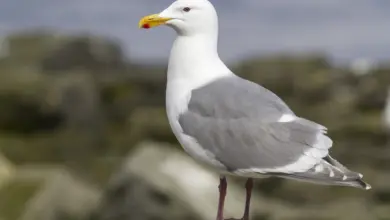
The Ross’s Gull is an elusive and captivating seabird. It captures the attention of both birdwatchers and ornithologists. Ross’s Gull is the sole species of its genus. Its ethereal beauty and its life in the most hostile regions on the planet make it a unique bird.
Introduction of the Ross’s Gull, a rare Arctic species
The Ross’s Gull, a small seabird with a soft colouration, is native to the Arctic region of northernmost North America as well as northeastern Siberia. It is known scientifically as Rhodostethia Rose, and it is unique in its genus. This makes it a very important bird for taxonomy. This gull, first described in the nineteenth century, was named for the British polar explorer Sir James Clark Ross. The bird’s pink-tinted feathers and secretive life have given it a mysterious reputation among birdwatchers.
The Arctic Home of the Ross’s Gull
Ross’s Gull nests in some of the most extreme environments. Nesting in high Arctic regions, primarily northeastern Siberia, and northernmost parts of Canada, such as Nunavut, it is dependent on estuarine and swampy tundra habitats. The birds are adapted to living in cold, desolate environments. They lay their eggs during the brief summer window, when the ice recedes, and the Arctic is alive with insects and aquatic prey.
During the autumn migration, Ross’s Gulls don’t travel too far south. The majority of the population winters along the edge of the pack ice, within the Arctic Circle. Some individuals have been known to travel into temperate areas. Rare but fascinating records of vagrant sightings from North America include sightings as far as Alaska, or as south as the Salton Sea, California. Birders are thrilled by these appearances, since seeing a Ross’s Gull in a place outside of its usual range is an experience that most people will never have.
Identification – What Is a Ross’s Gull?
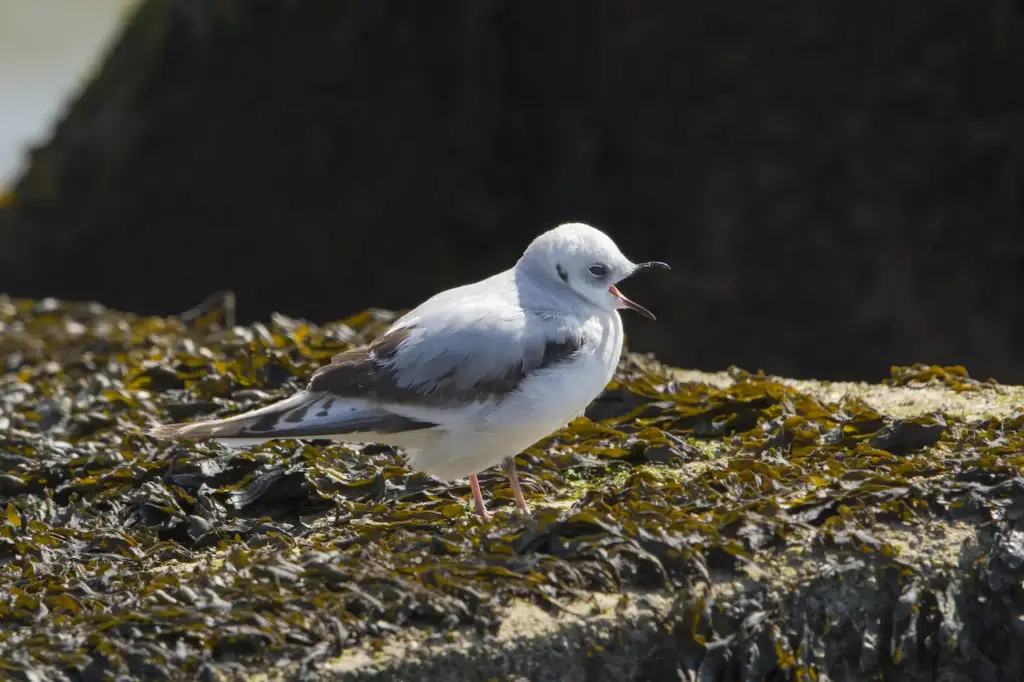
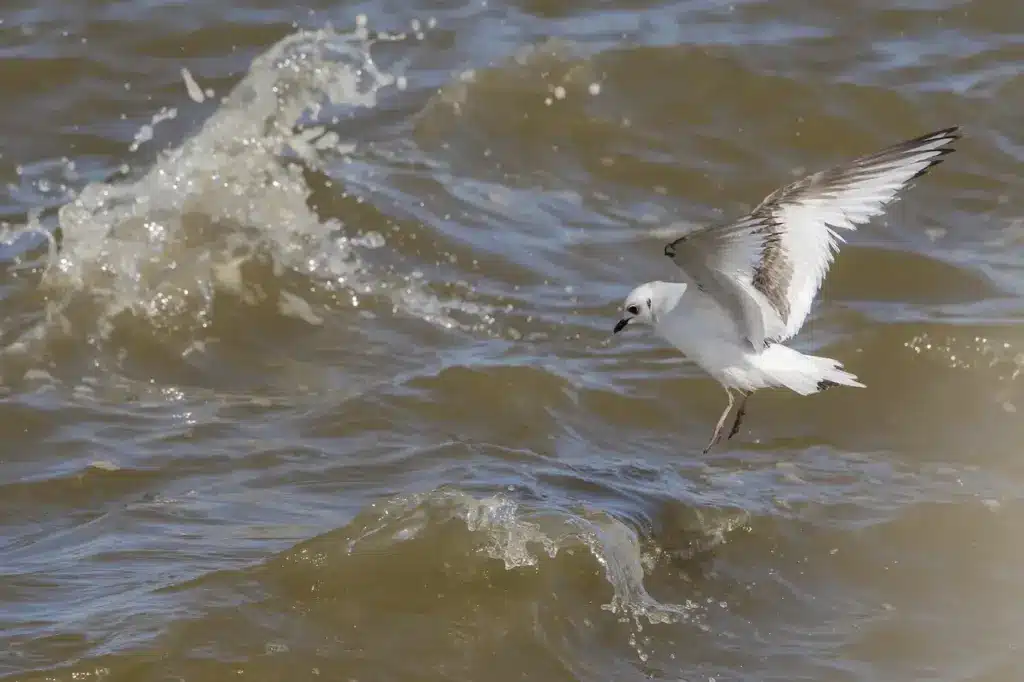
Ross’s Gull has been described as one of the most beautiful birds in the world because of its graceful appearance and soft pastel colours. The adults are similar in size to a Little Gull, but look more elegant because of their pointed tail and longer wings. Breeding adults have a grey upper body with white underparts and a pinkish flush on their chests in summer. This is what gives them the Latin name Rosea, which means “rosy”. The breeding season is marked by a black collar and neck ring, which adds to the refined appearance.
Red legs and feet contrast beautifully with the resting plumage. The Ross’s Gull is graceful in flight with its slender wings and distinctive shape.
Ross’s Gulls become more subdued in winter when they lose the pink wash on their necks and the black neck rings. In flight, immature birds look like winter adults but have a dark “W’ pattern on the upper wings. This is similar to juvenile Little Gulls. Ross’s Gulls can take up to two seasons to reach their full adult plumage. This makes aging and identifying them a challenge.
Breeding behaviour and nesting habits
Ross’s Gulls are very specific in their breeding needs. Nesting is done in marshy, remote tundra habitats, usually on islands near Arctic estuaries and coastlines. Even experienced ornithologists find it difficult to observe them in the wild because their breeding sites are isolated.
The breeding season in the Arctic is very short and closely synchronised with the summer. Nesting begins usually in June, when the snow melts and there is a brief period of warmth. This allows an explosion of insects to flourish. Ross’s Gulls nest on the ground. They often build them on small hummocks or patches covered in moss. The clutch is usually 2 to 3 eggs. They are incubated over a period of about three weeks.
Both parents are responsible for incubation and feeding the chicks. Precocial means that the young are relatively mature and can walk soon after hatching. However, they still depend on their parents to provide warmth and food until they become independent. According to eBird, this species is well documented.
Feeding Behavior and Foraging Behavior
Ross’s Gulls feed on a variety of foods depending on the season and availability. During the Arctic breeding season, the Ross’s Gulls eat mainly insects, crustaceans and small aquatic animals. Like wading birds, they are seen to pick food off the water surface or mudflats. According to BirdLife International, this species is well documented.
In the winter months, and especially outside of breeding season, they will forage along the edge of the pack ice. They feed on marine invertebrates and carrion, as well as small fish. They are agile and methodical in their foraging, hovering briefly above the water surface or following behind marine mammals and vessels to scavenge.
The Ross’s Gull does not nest in colonies like other gulls. Breeding in small groups or pairs may help to avoid predators in these exposed environments. Ross’s Gulls, despite their small numbers and elusive behaviour, are not aggressive eaters. They are also rarely seen engaging in the louder behaviours typical of other gull species.
A Bird of Ice and Isolation: Migration Patterns
The limited and mysterious migration of Ross’s Gulls is one of its most intriguing features. Ross’s Gulls do not migrate over vast distances, unlike many other seabirds. They migrate south only a short distance after breeding. This is usually just enough to remain near the open water and food resources at the edges of pack ice.
The majority of the world’s population spends the winter in the Arctic Ocean. This is primarily near the Chukchi Sea and the Bering Sea. As mentioned above, however, some individuals have been known to travel far from these regions, showing up in temperate areas such as northern Europe or North America. Birders prize these vagrants due to their limited range and small global population.
Conservation Status & Threats
The International Union for Conservation of Nature’s (IUCN) list of Ross’s Gulls is “Least Concern”, but this does not mean that the species is safe. Ross’s Gulls, with a population of fewer than 50,000 individuals worldwide, are rare and restricted to a small area.
The extreme habitats of these animals offer some protection against human intrusion, but climate changes pose a long-term danger. The rapid warming in the Arctic changes the ice cover, alters insect emergence patterns and disturbs the delicate ecosystem required for breeding and feeding.
Increasing human activity, such as oil exploration, shipping, and pollution, could also negatively impact the habitat. Although no immediate declines have been observed, this species is closely watched due to its small breeding range and specialised lifestyle.
Ross’s Gull in Culture and Ornithology
Ross’s Gull is a favourite of birders and ornithologists alike. Many consider it the “holy grail” of bird watching because of its rarity. Birding enthusiasts often travel to extreme places to chase after Ross’s Gulls, including the frozen estuaries in Siberia and remote Alaskan beaches.
The unique colouration and behaviour of this bird, as well as its soft plumage and elusive nature, have been the inspiration for numerous scientific studies, paintings and poetry. It is one of the most iconic Arctic birds in ornithological literature.
Final Thoughts on Why Ross’s Gull is Important
The Ross’s Gull represents the wild and untouched corners of Earth. The elegant form, the pastel colours, and the secluded lifestyle of this bird reflect the mystery and grandeur of the Arctic. The Ross’s Gull is a reminder that in a world increasingly shaped and influenced by humans, it’s important to preserve remote habitats while maintaining biodiversity.
A sighting of Rhodostethia Rosea for birders is an experience that will never be forgotten. Scientists are fascinated by the subject. Conservationists use it as a sensitive indicator to see how climate change affects even the remotest ecosystems.