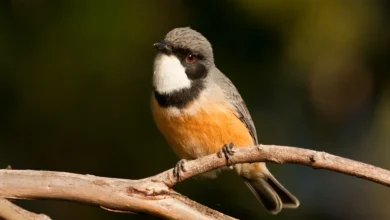
Wild bird feeders offer a wonderful opportunity to observe a diverse array of bird species up close while supporting their nutritional needs, especially during challenging seasons. From backyard enthusiasts to avid birdwatchers, feeders serve as vital supplements to natural food sources, attracting a variety of birds with different feeding preferences and behaviors. Understanding the types of feeders available, the species they attract, and their appropriate use can enhance the feeding experience while promoting bird health and safety. This article explores the taxonomy of common feeder visitors, their geographic distribution, physical and behavioral traits, breeding habits, conservation concerns, and some fascinating facts about these avian visitors.
Scientific Classification
The birds most commonly attracted to wild bird feeders span several families and orders, reflecting a rich diversity in classification. For example, many ground feeders belong to the family Passerellidae, such as the American Tree Sparrow (Spizelloides arborea) and the Dark-eyed Junco (Junco hyemalis). Doves, like the Mourning Dove (Zenaida macroura), belong to the family Columbidae within the order Columbiformes. Seed-eating birds such as finches (family Fringillidae, e.g., the American Goldfinch, Spinus tristis) and chickadees (family Paridae, e.g., Black-capped Chickadee, Poecile atricapillus) are common tube feeder visitors.
Woodpeckers (family Picidae, e.g., Downy Woodpecker, Dryobates pubescens) frequently visit suet feeders, while birds like blue jays (Cyanocitta cristata, family Corvidae) and grosbeaks (family Cardinalidae) are attracted to larger hopper feeders. This grouping illustrates that feeder birds belong to a wide taxonomic range including Passeriformes (perching birds), Piciformes (woodpeckers), and Columbiformes. Understanding the taxonomy helps in selecting appropriate feeder types and food to best support each group’s feeding habits.
Geographic Range & Distribution
Wild bird feeders attract species native to a variety of geographic regions, with the majority of feeder-visited species found across North America. For instance, the Dark-eyed Junco ranges widely throughout Canada, the United States, and parts of Mexico, favoring coniferous forests but also commonly visiting suburban feeders. Mourning Doves have an extensive range across the United States, Mexico, and Central America. Finches like the American Goldfinch breed across much of the continental United States and southern Canada.
Woodpecker species vary in distribution; the Downy Woodpecker is found extensively across North America’s forests and suburban areas, while the Northern Flicker (Colaptes auratus) ranges throughout the continent and is a frequent feeder visitor. The Blue Jay is predominantly eastern and central North America, thriving in deciduous forests and residential areas. These birds adapt well to human presence, which facilitates feeder visits. Feeder types can be selected and located based on the species native to the region, ensuring a high rate of visitation and bird enjoyment.
Physical Description
Birds frequenting feeders display a wide range of sizes, plumage colors, and shapes adapted to their feeding strategies. Ground feeders like the Chipping Sparrow (Spizella passerina) are small, weighing approximately 12-18 grams with a wingspan of around 20-22 centimeters. These birds exhibit subtle brown and gray plumage with streaks that provide camouflage on the ground. Mourning Doves are medium-sized, about 30 centimeters in length with a wingspan up to 45 centimeters, and display soft gray-brown plumage with distinctive black spots on the wings.
Tube feeder visitors such as chickadees are small and agile; the Black-capped Chickadee measures about 12-15 centimeters long and weighs roughly 9-14 grams, with striking black and white head patterns. Finches like the American Goldfinch have bright yellow plumage in males during the breeding season, measuring around 11-13 centimeters in length and weighing about 11-20 grams. Woodpeckers, such as the Downy Woodpecker, are slightly larger, 14-18 centimeters in length with a wingspan of 25-30 centimeters, featuring black and white plumage with red markings on the males.
Physical adaptations, such as strong bills for cracking seeds or pecking wood, and specialized feet for clinging to feeder perches, enable these birds to efficiently exploit feeder resources. These morphological traits also influence feeder design and placement to accommodate different species.
Behavior & Diet
Wild bird feeders cater to a variety of feeding behaviors. Ground feeders like sparrows and juncos prefer to forage on the ground for seeds such as millet and cracked corn. Because ground feeding can attract unwanted rodents and may become unsanitary, it is often recommended to scatter seed on hard surfaces like concrete or use elevated platform feeders. Doves also feed primarily on the ground, consuming seeds from grasses and weeds.
Tube feeders are designed to hold small seeds and attract smaller birds such as finches, chickadees, nuthatches (Sitta carolinensis), and titmice (Baeolophus bicolor). These feeders dispense seeds like black oil sunflower and thistle (niger) seed through small feeding ports, accommodating the feeding style of small-billed birds. Black oil sunflower seeds are particularly popular due to their high fat content and thin shells, making them accessible to a wide range of birds from chickadees to woodpeckers.
Hopper feeders, resembling small houses, can hold large quantities of mixed seed blends and attract larger birds such as blue jays, grosbeaks (Pheucticus spp.), and cardinals (Cardinalis cardinalis). These birds are often more aggressive and can dominate feeding sites. Hanging peanut feeders attract birds like chickadees, titmice, and woodpeckers who enjoy cracking open peanuts to extract the kernel.
Suet feeders provide high-energy fat-rich foods essential in cold weather. Suet cakes, often made from rendered animal fat mixed with seeds or peanuts, attract woodpeckers, nuthatches, creepers (Certhiidae), kinglets (Regulidae), and wrens (Troglodytidae). Peanut butter suet variants also appeal to bluebirds, cardinals, goldfinches, and jays, offering an energy-dense supplement especially in winter.
Platform or tray feeders provide open feeding space for a variety of seed-eating birds and ground feeders. These feeders are often used for corn or cracked peanuts but must include drainage to prevent seed spoilage. Birds attracted to platform feeders include bobwhite quail (Colinus virginianus), grackles (Quiscalus quiscula), sparrows, and starlings (Sturnus vulgaris). Because peanuts can sometimes be contaminated with aflatoxin—a potent fungal toxin harmful to birds—care is necessary. Roasting reduces aflatoxin but does not guarantee safety, and North American peanut producers are actively working to eliminate contaminated products. According to BirdLife International, this species is well documented.
Breeding & Reproduction
The presence of feeders can influence the breeding success and behavior of many bird species by providing reliable food sources during critical periods. For example, chickadees and titmice often use feeders throughout the year but rely on abundant food to support raising multiple broods in spring and summer. These small birds typically build cup-shaped nests in tree cavities or nest boxes, laying 5-10 eggs per clutch. The availability of high-energy seeds at feeders can enhance parental condition and chick survival rates. According to Audubon Society, this species is well documented.
Finches such as goldfinches have a late breeding season compared to other songbirds, nesting in mid to late summer when thistle and other seed-producing plants mature. They build small, neat nests and typically lay 3-6 eggs per clutch. Woodpeckers excavate nest cavities in dead or decaying trees and may lay 3-7 eggs. Reliable food at feeders can help sustain adults and fledglings during the demanding breeding period.
Some species like the mourning dove produce multiple broods annually. They build simple platform nests in trees or shrubs and lay two eggs per clutch. The constant availability of seeds at feeders can encourage repeated breeding cycles, though natural food diversity remains essential for balanced nutrition.
Conservation Status
Most common feeder birds in North America are classified as species of least concern by the International Union for Conservation of Nature (IUCN), reflecting stable or increasing populations. For example, the American Goldfinch (Spinus tristis) and Black-capped Chickadee (Poecile atricapillus) enjoy widespread distribution and robust population levels. Mourning Doves (Zenaida macroura) are abundant, partly due to their adaptability to human-altered landscapes.
However, some species attracted to feeders face conservation challenges. The Evening Grosbeak (Coccothraustes vespertinus), once common at feeders, has experienced significant population declines linked to habitat loss and disease. Woodpecker populations vary; while Downy Woodpeckers remain widespread, others like the Red-cockaded Woodpecker (Dryobates borealis) are federally endangered due to habitat fragmentation.
Providing feeders responsibly can support bird populations by supplementing food during harsh winters or migration. However, feeders must be maintained clean and free from mold or disease to prevent outbreaks like salmonellosis or mycoplasmal conjunctivitis, which can devastate feeder-using birds. Conservation efforts also emphasize preserving natural habitats to ensure long-term species viability beyond backyard feeding.
Interesting Facts
Wild bird feeders have fascinated humans for centuries, serving as both a source of enjoyment and scientific observation. Some species exhibit remarkable adaptations to feeders. For instance, the House Finch (Haemorhous mexicanus) can crack open sunflower seeds with specialized bills, while woodpeckers use their stiff tail feathers for support against tree trunks or feeder poles.
Window feeders provide an engaging way to observe smaller birds like chickadees and finches at very close range, often allowing detailed study of their plumage and behavior. Hummingbird feeders, which contain sugar water solutions, attract hummingbirds such as the Ruby-throated Hummingbird (Archilochus colubris), which can hover with wings beating up to 53 times per second.
Interestingly, some birds exhibit food caching behavior at feeders, hiding seeds in bark crevices or other locations for later consumption. Jays, nuthatches, and titmice are known for this behavior, which helps them survive periods of scarcity.
Feeder placement and cleanliness are crucial: feeders should be situated away from windows to reduce collision risk and cleaned regularly to prevent disease spread. Variety in feeder types and seed offerings attracts a broader diversity of birds, making feeding an enriching and educational pastime for nature lovers.
Conclusion
Wild bird feeders offer a unique window into the lives of many fascinating bird species, supporting their dietary needs while providing enjoyment and education for people. Understanding the taxonomy, distribution, physical characteristics, and behaviors of feeder visitors enables better feeder design and placement, enhancing the feeding experience for both birds and humans. Responsible feeder use, including sanitation and careful seed selection, can promote bird health and conservation. By appreciating the variety of birds attracted to feeders—from ground feeders like sparrows and doves to acrobatic finches, energetic woodpeckers, and vibrant cardinals—bird enthusiasts deepen their connection to the natural world and contribute to the wellbeing of these remarkable creatures.