The genus Quiscalus contains six of the ten species of grackles that are native to North and South America. They are known for being capable of imitating human speech, even better than parrots.
Description
The Grackle is a medium to large passerine bird in the family of blackbirds ( Icteridae). The glossy plumage of Grackles is often recognisable. It may look jet black, or almost so, but under good lighting it can show iridescence, with shades of blue, green and bronze, depending on the species, angle, lighting and sex. Males are larger, more colourful, and showier. Females, on the other hand, tend to be smaller, duller and less glossy, but still quite noticeable. The shape of juveniles is similar to that of adults, but they are duller and less glossy. They also have less contrast between their features.
The Common Grackle ( Quscalus quscula) is a species that measures between 28 and 34 centimetres. Males are heavier (around 120 to 130 grams) than females, who are often comparatively lighter. The long, keel-shaped tails of these birds and their sharp black bills give them a sleek appearance. The eyes of adults are usually bright yellow or white, which contrasts with their dark plumage.
The body is robust and slender, with legs and toes that are long enough to allow them to walk and forage on the ground. They can also perch and climb among wires and branches. The grackle’s flight is not delicate, but it is powerful. They often fly directly and may have sloppy wings if they are navigating dense vegetation or trees.


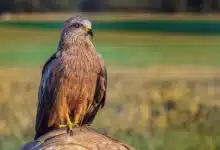
Good lighting can enhance their dark glossy colouring. This includes purple, bronze, and green tints depending on the species and region. It is a part of the males’ visual appeal. This is especially true during the breeding season, when they may display by fluffing their feathers, spreading their tails or arching their neck.

The six species are:
- Boat-tailed Grackle, Quiscalus major
- Common Grackle, Quiscalus quiscula
- Great-tailed Grackle, Quiscalus mexicanus
- Nicaraguan Grackle, Quiscalus nicaraguensis
- Greater Antillean Grackle, Quiscalus niger
- Carib Grackle, Quiscalus lugubris
Distribution and Habitat
The Grackle is native to North America and South America. The genus Quiscalus contains several species, including six of the 10 commonly known “grackles”. Many of these species occupy large ranges and sometimes extend into highly urbanised or altered landscapes.
The Common Grackle, for example, is found in North America, especially east of the Rocky Mountains. Depending on the season, some populations migrate, and others are residents. Many northern birds migrate south during winter. The Great-tailed Grackle, Quiscalus mexicanus, has also managed to expand its range in the last century, moving northward along agricultural corridors and cities, wetlands and waterways. The Carib Grackle is found throughout the Caribbean, as well as parts of north-eastern South America. Nicaraguan Grackles are more restricted in their range, and can be found only in Nicaragua and northern Costa Rica. They prefer marshlands and river banks.
The habitat preferences of grackles are varied. The Grackle is often found in semi-open and open areas, such as woodland edges, marshes and agricultural fields. They are also commonly seen in parks, on roads and near shorelines. They do best in areas with trees and shrubs for nesting or perching, where water is available, and diverse food sources. It is also well-known that they colonise environments altered by humans: lawns and parking lots, trash dumps, trees on streets, edges of farm fields, etc. This adaptability has allowed many grackles to benefit from changes in the landscape.
Different species can tolerate extremes in climate and elevation. Some species are tropical and others temperate. Wintering grounds are important for migratory species at northern latitudes. Also, food availability during the cold months is crucial. Some grackles migrate seasonally or change elevation or latitude based on temperature and resource availability. Others remain more or less stationary if the climate and food allow.
Feeding and Diet
The grackle is an opportunistic, omnivorous bird. Their diet flexibility is one of their greatest strengths. The diet of grackles is varied, changing according to the season, habitat and food available.
Insects, spiders, worms, larvae–anything moving or reachable is often a meal. This is especially true during breeding season when chicks are being raised. Any moving or easily accessible animal is often eaten, including grasshoppers, beetles and spiders. Foraging occurs on the ground, near shallow water or in vegetation. They may also flip debris over to reveal insects. Some species will follow ploughs in order to catch grubs and insects that are unearthed during farming activities.
The birds also consume seeds, grains and nuts, as well as agricultural waste, human food, when it is available, such a corn, acorns or spilled grains. They will also eat fruit, berries and other fruits. Fruit is especially important when insects are scarce or during periods of non-breeding. Grackles will feed on small vertebrates, such as frogs and tadpoles. They may also eat small fish or even nestlings of other birds. If they can get easy food, they will scavenge or take advantage of non-natural sources such as garbage and human waste.
The Common Grackle has a unique bill structure. It features a downward keel in the horn-palate that can help crack nuts and mould kernels in certain conditions, as well as strong jaw muscles. Grackles can also “ant”, or use insects to apply substances on their feathers. This could be a way to maintain or control parasites. According to Bug Guide, this species is well documented.
They can take advantage of food patches more efficiently because grackles forage in large flocks. Many individuals will feed together when food is plentiful, which can help locate food or defend feeding patches. This can also mean that competition is high, and individual strategies (being vigilant and flexible in foraging) are important. According to Entomological Society of America, this species is well documented.
Vocalisations and Behaviour
The Grackle is loud, boisterous and expressive in social situations. Their vocal repertoire is large, varied, and used in many contexts–territoriality, courtship, alarm, social interaction, and possibly mimicry.
Grackles make a variety of calls, including squeaks and rattles. Breeding males have complex vocalisations that combine calls and songs. These can be heard across wide open spaces. In non-breeding periods, most of the calling is social chatter, alarm calls or short contact calls.
Some grackles are capable of mimicking sounds from their environment–including other bird calls and, in some cases, human noises or calls. Common Grackles have been observed to mimic both other birds and people, but not as accurately as some of those better-known mimics, such as mockingbirds. The Great-tailed Grackle has a similar repertoire, which includes “sweet tinkling sounds” as well as harsher, scratchy, or metallic sounds. This gives it a broad range of expression.
Grackles have a social, friendly behaviour. They form large roosts, sometimes containing hundreds or thousands of birds. This is especially true outside the breeding season and during migration. These noisy roosts may be dense, noisy aggregations of birds in urban structures, trees, marshlands, or other places. During the day, flocks can split into smaller groups foraging but maintaining social cohesion.
Conservation
Many species of Quiscalus(grackles) do not appear to be in danger. The Great-tailed Grackle, for example, is rated as “Least Concern”. Their range has expanded in many places due to agricultural and urban development. Common Grackles are also widespread and abundant. However, in some areas, there is concern about their declining numbers, which can be attributed to habitat degradation, pollution, agricultural practices or conflict with humans.
There are also specific threats and challenges:
The first is habitat modification. While many grackles adapt to the human-modified landscape, they can also be dangerous — loss of nesting tree, pollution, pesticides used (which reduce insect prey), disruption, and even persecution when grackles become viewed as pests. In orchards or grain fields, or at feedePollutiontion and contamination are another concern. The grackles eat a wide variety of things (insects, small animals and water bodies), so they can accumulate toxic substances from pesticides or heavy metals. In urban environments, they may be exposed to greater hazards such as cars, window collisions and other dangers.
Conclusion
The grackle is a widespread bird, adaptable, loud, and noisy. It’s often loved or hated. Grackles are a common part of North and Central American landscapes – the rustle of marshes, shimmering iridescence of trees, and boisterous evenings roosting. They are remarkably adaptable: they thrive in urban parks, farmland edges, wetlands and suburban areas.
They are more than birds that can be ignored because of their intelligence, diverse diet, social complexity and vocal prowess, including mimicry. They can control insects and distribute seeds in a way that few other birds can. They also use human-altered waste and resources and recycle them.
As with all animals, the future of grackles depends on how humans balance change. The grackles’ population will flourish in green cities, where wetlands are protected, pesticides are used sparingly, and where nesting trees remain standing. Where these conditions deteriorate, grackles may suffer a decline. Key to the success of monitoring, habitat protection, and public awareness is public understanding.
Birdwatchers enjoy catching a glimpse of a flock of grackles at dawn or dusk. They also enjoy hearing their varied calls and noticing the shine on their feathers. The grackles are noisy, messy and sometimes problematic. But they are also survivors. They adapt and endure and remind us about the complex interaction between human landscapes and wildlife.