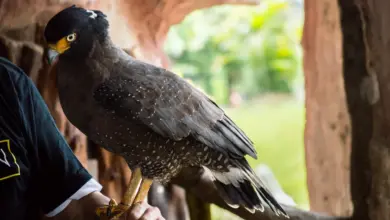
White-bellied Sea Eagle, also known as White-bellied Fisher-Eagle and White-breasted Sea Eagle, is one of the most well-known coastal raptors in the Indo-Pacific. It is closely related to eagles and kites. The striking appearance of this species, its unmistakable feathers, and its presence above waterways and coastlines attract attention. The species’ ecological significance, cultural symbolism and majestic stature attract birdwatchers, nature enthusiasts and researchers around the world. For more information, see our guide on penguins.
A Distinctive Bird of Prey
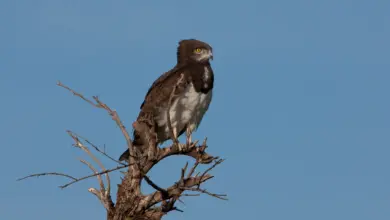
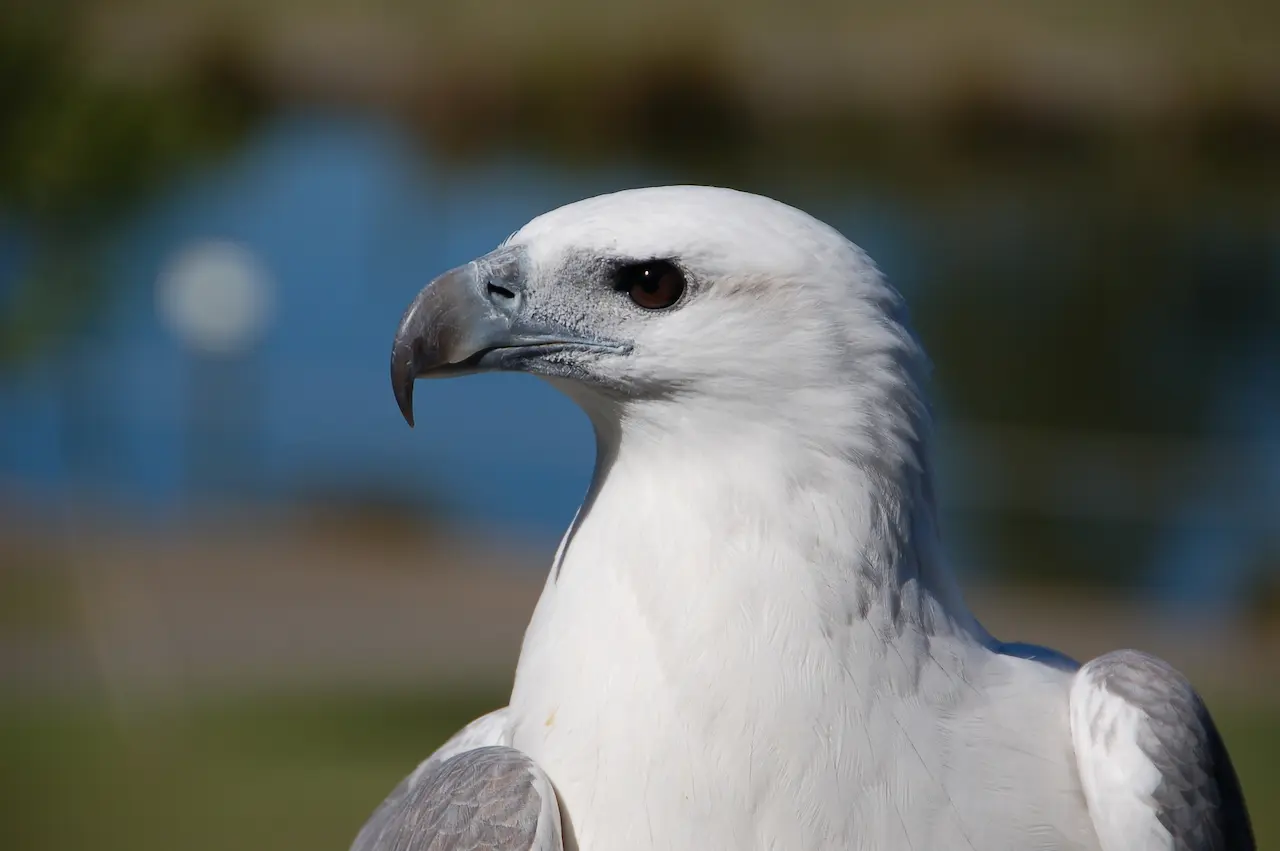
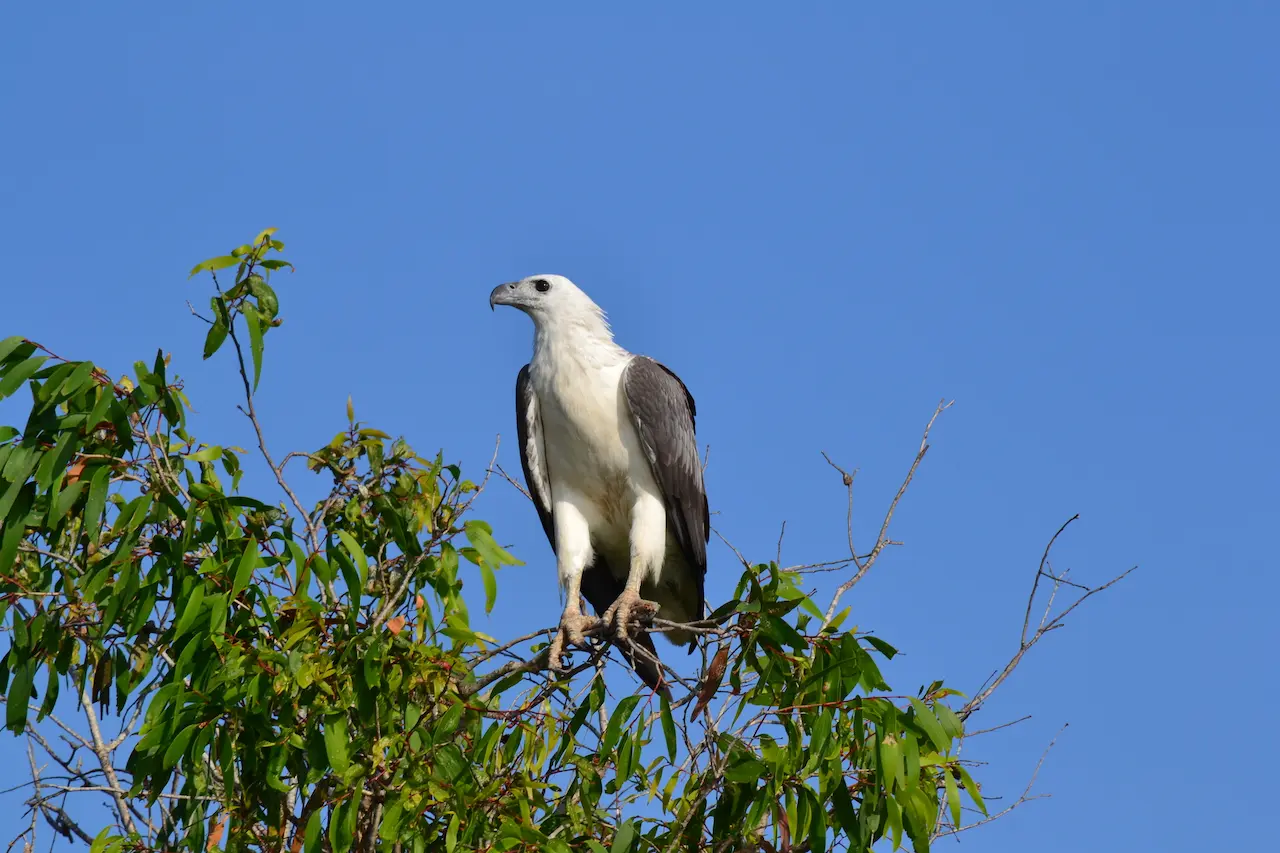
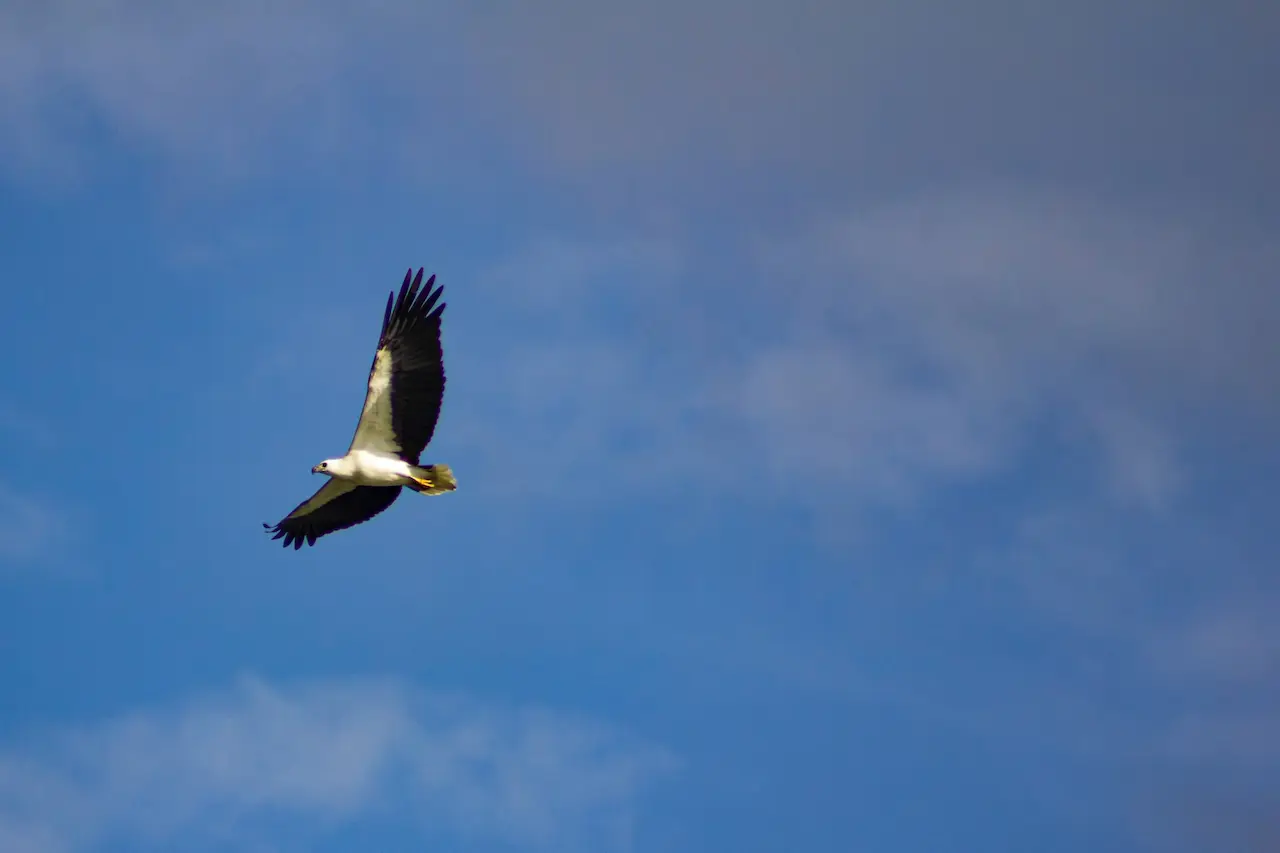
The White-bellied Sea Eagle’s contrasting appearance is one of the main reasons it is so popular. Adults have brilliant white head, breast and under-wing coverts that create a stunning contrast to their grey upper parts. They also display dark under-wing feathers. The tail of this species is wedge-shaped and short, like all other members of the Haliaeetus. This feature is especially visible in flight. The species can be easily identified from a distance, especially when flying over the coast or perched on tall trees. In many cultures, its majestic presence is a symbol of power and freedom.
Widespread distribution across the Indo-Pacific
White-bellied Sea Eagles are found in a wide range of geographical areas, from the Indian Subcontinent up to Australia. They thrive where land meets water. The species is widespread from India and Sri Lanka to coastal Southeast Asia, including Myanmar, Thailand and Malaysia. It can also be found in the Philippines, Indochina and southern China. The species is only found on Nissan Island in the northern Solomon Islands. Other islands are dominated primarily by Sanford’s Sea Eagle, its close relative. This species can be found inland as well, particularly along large floodplains or lakes. They are often seen soaring over beaches, cliffs and coastal forests.




Pair Bonds and Territorial Behaviour
The White-bellied Sea Eagles form monogamous long-term pairs and often remain together all year round within established territories. During the breeding season, both birds vocalise loudly and patrol the skies to keep intruders away. They prefer to be perched on the highest tree or exposed branch to have a clear view of any territorial threats and potential prey. Their closeness and cooperative behaviour show a high degree of social and environmental coordination.
Size and Structure
The White-bellied Sea Eagle, one of Southeast Asia’s largest raptors and Australia’s second-largest bird of prey behind the Wedge-tailed Eagle, is a majestic creature in the sky. The males measure between 70-80cm in length and weigh 1.8-3kg. Females are larger and heavier–80-90cm in length with a weight of 2.5-4.5kg. These birds have a wingspan of between 1.8 and 2.2 meters. They are designed to fly. They are highly effective hunters because of their large hooked bills and strong talons. The juvenile birds are markedly different in appearance. They have mainly brown feathering, which gradually lightens up over a period of four to five years until they reach the striking adult colouring.
A Remarkable Soaring and Flight Technique
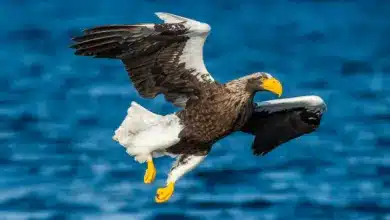
The White-bellied Sea Eagle is a master of the skies. The White-bellied Sea Eagles are masters of the air. They soar on currents and hold their wings in a “V-shaped” shape. This is a field mark that helps to distinguish them from other raptors that hold their wings horizontally while gliding. They use land-based thermals as they hunt for prey, because thermals don’t form over open waters. They are known for their spectacular displays, particularly during pair-bonding rituals. These include synchronised flight, circling patterns and dramatic dives.
Vocalisations and Calls
It is known for its loud and goose-like call. This sound can be heard frequently near nesting areas and coastal habitats. During breeding season, the vocalisations of pairs can be heard across large distances. These calls are important for territorial defence and communication among mates. According to eBird, this species is well documented.
Diet, Hunting and Behaviour
These eagles have mastered the art of hunting aquatic prey. They eat primarily: According to BirdLife International, this species is well documented.
- Fish
- Sea Snakes
- Turtles
- Water birds like Little Penguins (Coots), Shearwaters and Coots
- Small mammals, including possum, are on the Bismarck Archipelago
Instead of diving under the surface, they skim it and grab prey with their powerful talons. The opportunistic eaters may steal food from smaller raptors, such as Swamp Harriers. They also feed on carrion, such as dead fish and mammals that wash up on the shore. They are known to raid the nets of fishermen when they have an opportunity. The animals may hunt in pairs or as a group, especially when the juveniles are still with their parents.
Habits of Breeding and Nesting
The nests of White-bellied Sea Eagles can be built with great care. They choose the highest tree on their territory, or structures man-made like pylons. Nests are made from sticks and branches that create deep bowl-shaped nests. These nests can be reused over time and are often expanded. Nests can grow to impressive proportions after being augmented seasonally. Breeding season varies from region to region. In Papua New Guinea, it occurs during the wet season. In Australia, it is between July and August. The females lay 2 dull white eggs. However, only one chick is usually born due to either competition or an accident. The nesting sites chosen by these birds, often perched on cliffs and islands or overlooking the water, reflect their dependency on aquatic ecosystems.
Conservation Status & Threats
IUCN has classified the White-bellied Sea Eagle as Less Concern globally, with an estimated 10,000-100,000 individuals. In spite of this, some populations are showing signs of decline due to habitat destruction, pollution, human interference, and loss of nesting sites. The species is protected by law in Australia under the Environment Protection and Biodiversity Conservation Act 1999. The species is classified as Vulnerable on the 2007 advisory list in the state of Victoria. To ensure the long-term survival of this species, conservation actions include habitat protection and nest monitoring.
The Cultural Importance of Regions
The White-bellied Sea Eagle is a cultural icon throughout its range. For the people of Nissan Island, it is known as Manulab and is a revered animal that should not be hurt. Folklore says that its night calls indicate danger, while eagles circling overhead are a sign of death. The bird is known as Gulbi in Sydney. It was the totem for the Indigenous leader Colebee. The eagle, also known as Burung Hamba or “slave shellfish” in Malay culture, is called this by Malay culture. This name was inspired by the legends about the bird warning marine animals of the changing tides. The White-bellied Sea Eagle is also a symbol of modern identity. It appears on the $10,000 Singapore Banknote and serves as the state emblem for Selangor. The White-bellied Sea Eagle’s long-standing association with humans is reflected in its presence in mythology.
Taxonomy, Evolutionary and Relations
White-bellied Sea Eagles are a pair of species that includes Sanford’s Sea Eagle from the Solomon Islands. Genetic studies indicate that despite their distinct differences in appearance and ecology, they diverged only a few million years ago. The dark bills, talons and eyes of both species are typical of Gondwanan Sea Eagles. They also retain dark tail colouration at all life stages. This close genetic relation highlights their recent split from the larger sea eagle family.
A Majestic Icon of Coastal Ecosystems
White-bellied Sea Eagles are a symbol of strength, beauty, and ecological balance along the Indo-Pacific coasts. The White-bellied Sea Eagle is one of the most captivating birds of prey due to its powerful flight, distinctive feathers, and commanding presence. There is hope for this majestic species to continue to flourish in the skies above rivers, estuaries and oceans in generations to come, with increasing conservation awareness and protective measures