Overview and Introduction
Horses are majestic, powerful animals that have played a crucial role in human history for thousands of years. While most horses today are domesticated and live under human care, wild and feral horse populations still exist in various parts of the world. Understanding what eats a horse involves exploring the natural predators that have historically hunted horses, as well as the ecological relationships these animals maintain in their environments. This article delves into the predators of horses, their natural behaviors, habitats, diets, and ecological roles, offering a comprehensive look at these magnificent creatures and their place in the natural world.
Physical Characteristics of Horses
Horses (Equus ferus caballus) are large, herbivorous mammals characterized by their long legs, powerful muscles, and streamlined bodies designed for speed and endurance. Typically, adult horses stand between 4.5 to 6 feet (1.4 to 1.8 meters) tall at the shoulder and weigh between 900 to 2,200 pounds (400 to 1,000 kilograms), depending on the breed and environment.
Horses have evolved several physical features that help them evade predators, including keen eyesight with a wide field of vision, acute hearing, and a highly sensitive sense of smell. Their strong legs enable rapid bursts of speed, and their endurance allows them to flee from threats over long distances. Additionally, horses can deliver powerful kicks and bites as a means of defense against attackers.



Behavior and Social Structure
Horses are highly social animals that typically live in herds, which provides them with safety in numbers. Their social structure usually consists of one dominant stallion, several mares, and their offspring. Herd living enhances vigilance against predators because multiple individuals can watch for danger, alerting the group to threats.
When threatened, horses communicate through vocalizations, body language, and rapid movements. Flight is their primary defense mechanism; they rely on their speed and agility to escape predators. However, in some cases, especially when cornered or defending their young, horses may confront predators using kicks or bites.
Habitat and Distribution
Originally native to vast open grasslands known as steppes in Eurasia, horses have adapted to a variety of habitats including plains, deserts, and mountainous regions. Today, wild horses such as the American Mustang, the Przewalski’s horse in Mongolia, and the Brumby in Australia occupy regions with suitable grazing lands and minimal human disturbance.
Domesticated horses are found worldwide and are adapted to a variety of climates and environments, from temperate forests to arid deserts. Their wide distribution is largely due to human intervention and breeding.
Diet and Feeding Habits
Horses are herbivores and primarily grazers, meaning they feed mostly on grasses and other low-lying vegetation. Their digestive systems are adapted to process large amounts of fibrous plant material efficiently. In the wild, horses spend the majority of their day grazing, consuming a range of grasses, herbs, shrubs, and even bark when other food sources are scarce.
Domesticated horses are typically fed hay, grains, and specialized feeds formulated to meet their nutritional needs. Access to clean water and mineral supplements is also essential for their health. Grazing behavior not only sustains horses but also shapes the ecosystems they inhabit by influencing plant community dynamics.
Reproduction and Lifespan
Horses reach sexual maturity between 12 to 18 months of age, though breeding typically occurs when they are around 3 years old. The gestation period for a mare (female horse) is approximately 11 months. Usually, mares give birth to a single foal, which is able to stand and run within a few hours after birth—a crucial adaptation for avoiding predators.
Foals remain with their mothers for several months, gradually learning to graze and interact socially within the herd. In the wild, horses can live up to 20-25 years, while domesticated horses often live longer due to veterinary care and controlled environments.
What Eats a Horse? Natural Predators
Despite their size and strength, horses do face predation, especially in the wild or feral populations. Historically and presently, several predators are known to hunt horses, particularly targeting young, old, sick, or isolated individuals.
Wolves
Wolves (Canis lupus) have been primary predators of horses for thousands of years. Their pack hunting strategies and endurance make them capable of chasing and exhausting horses, especially in open terrains. Wolves tend to target foals, weak, or injured horses rather than healthy adults, which can defend themselves effectively.
Mountain Lions and Cougars
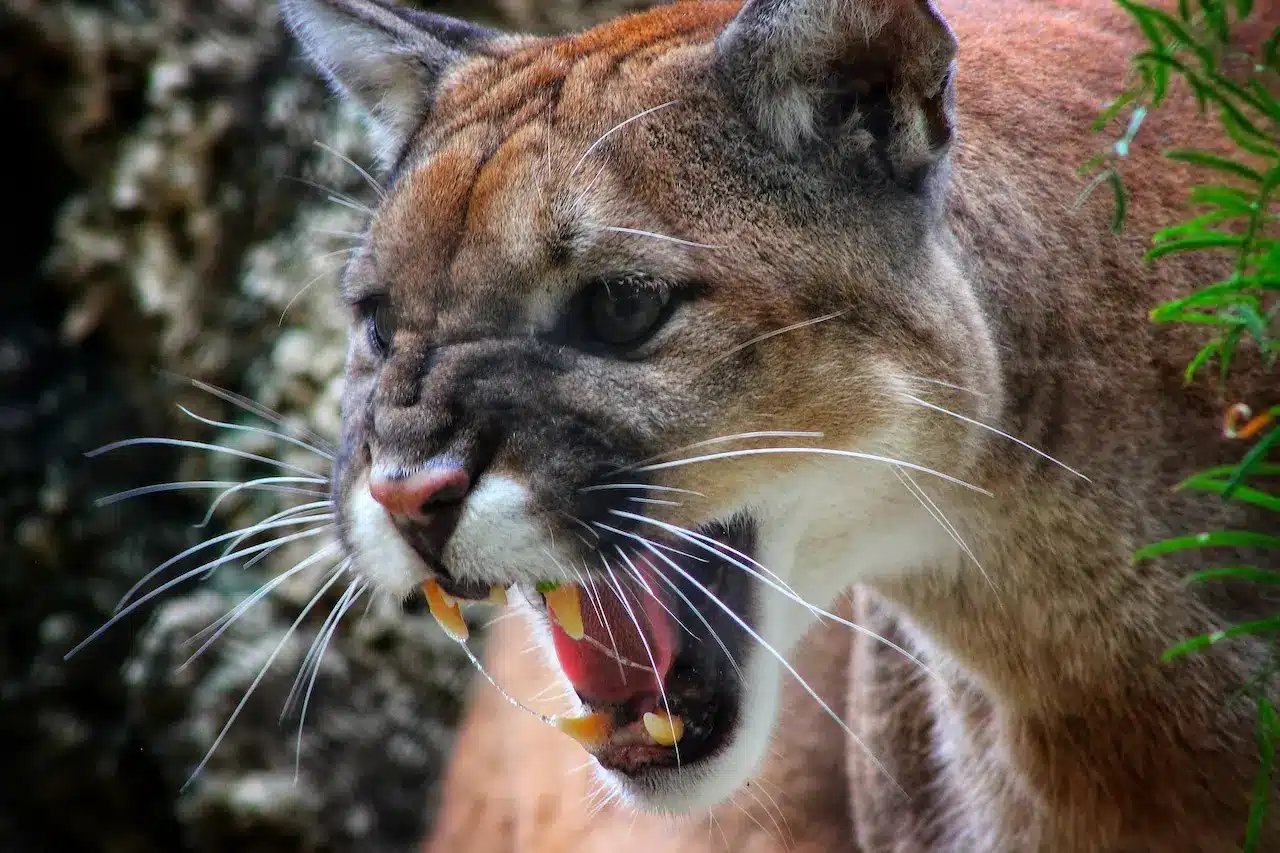
In North America, mountain lions (Puma concolor) are stealthy predators that may ambush horses, primarily focusing on foals or solitary individuals. They rely on cover and surprise attacks to overcome the horse’s speed and strength.
Grizzly Bears and Other Large Carnivores
Grizzly bears (Ursus arctos horribilis) are opportunistic predators and scavengers that may attack horses, especially if other food sources are scarce. While bears are not specialized horse hunters, they can overpower horses in certain circumstances.
Other Predators
In some regions, other large carnivores such as lions in Asia and Africa prey on wild equids related to horses, like zebras and wild asses. However, true horses are native primarily to Eurasia and introduced regions, so their specific predators vary by location.
Ecological Role of Horses
Horses play a significant role in their ecosystems as large herbivores. By grazing, they help maintain grassland health, prevent shrub encroachment, and promote biodiversity. Their movement patterns aid in seed dispersal and nutrient cycling. Predators that hunt horses benefit from this dynamic, which contributes to the balance of their habitats.
In areas where horses have been introduced, such as the Americas and Australia, they can have mixed ecological impacts, sometimes competing with native species or altering vegetation patterns. Effective management is necessary to maintain ecological balance in these regions.
Conservation Status
The domesticated horse is not a species at risk, thanks to widespread human care and breeding. However, the wild horse populations face varying levels of conservation concern. The Przewalski’s horse, the only true wild horse species, was once extinct in the wild but has been reintroduced through conservation programs and is currently classified as Endangered by the IUCN.
Feral horses, such as Mustangs in the United States and Brumbies in Australia, often exist in large numbers but can be subject to controversial management practices due to their impact on native ecosystems.
Interesting Facts About Horses and Their Predators
- Speed and Endurance: Horses can sprint up to 55 mph (88 km/h) in short bursts, but their true strength lies in long-distance endurance, which helps them evade predators.
- Communication: Horses use a sophisticated system of vocalizations and body language to alert the herd of danger. A sudden snort or a raised tail can signal the presence of a predator.
- Historical Significance: Archaeological evidence suggests that horses have been prey for wolves and other carnivores for over 2 million years.
- Defense Tactics: When cornered, horses can deliver powerful kicks that can injure or kill smaller predators.
- Domestication and Evolution: Horses were first domesticated around 4,000 BCE on the steppes of Central Asia, which dramatically reduced their vulnerability to predators.