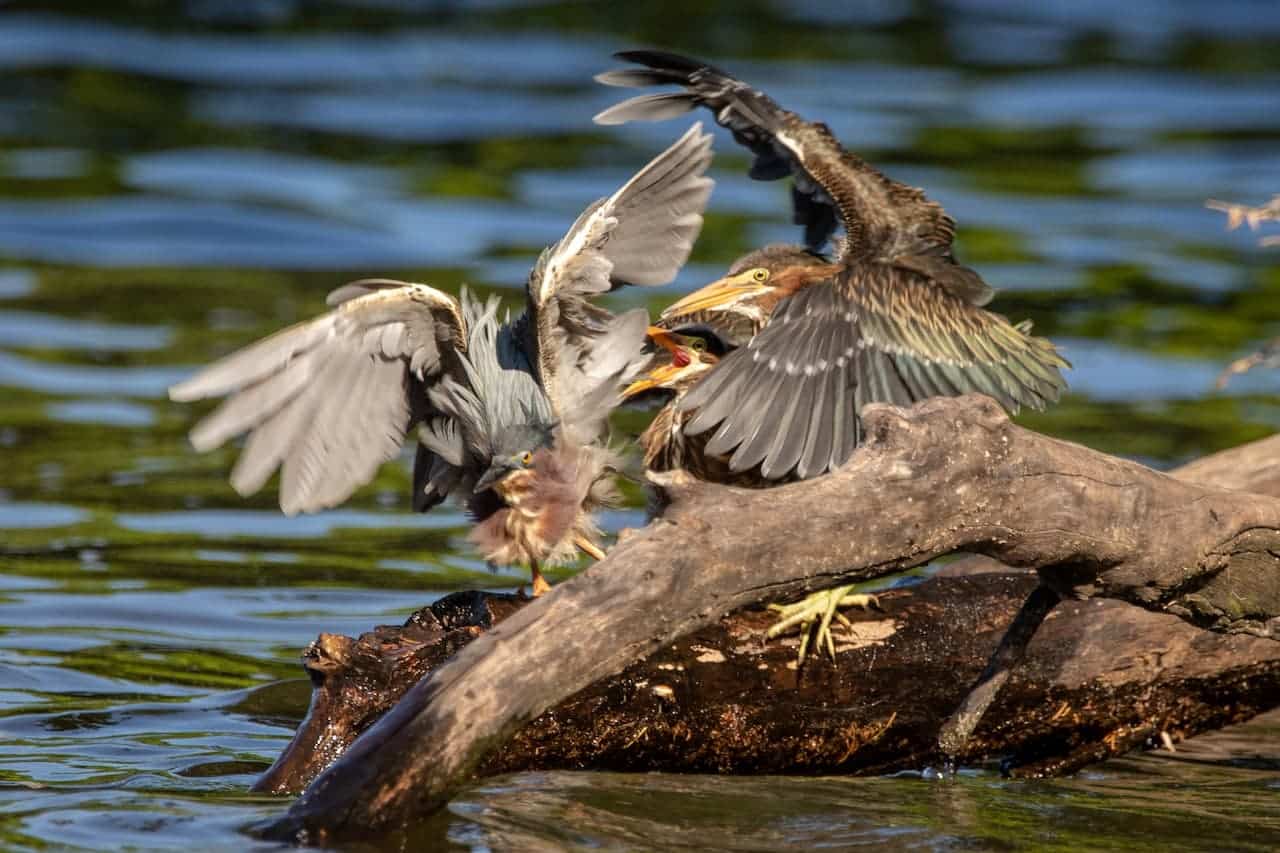
The Black-headed Heron (Ardea melanocephala) is a striking and widespread wading bird found predominantly throughout sub-Saharan Africa. It is a member of the heron family, well known for its elegant stature and graceful hunting techniques. These birds are often seen standing silently in shallow water or slowly stalking prey on land, displaying the classic patience and precision herons are famous for. Despite their somewhat somber coloration, Black-headed Herons are captivating creatures that play an important role in the wetland and savanna ecosystems where they reside.
Scientific Classification
The Black-headed Heron belongs to the family Ardeidae, which includes herons, egrets, and bitterns. Its scientific name is Ardea melanocephala, with “Ardea” meaning heron in Latin and “melanocephala” translating to “black-headed,” a direct reference to its distinctive dark crown and neck. The genus Ardea encompasses some of the largest heron species globally, including the Grey Heron (Ardea cinerea) and the Great Blue Heron (Ardea herodias). Within its family, the Black-headed Heron is closely related to these species but is unique to the African continent. It was first formally described by the German naturalist Johann Friedrich Gmelin in 1789. There are no recognized subspecies of the Black-headed Heron, although there is some variation in plumage shade and size across its range.
Geographic Range & Distribution
The Black-headed Heron is widely distributed across much of sub-Saharan Africa and Madagascar. Its range extends from Senegal and Sudan in the north to South Africa in the south, including countries such as Kenya, Tanzania, Botswana, and Namibia. It is largely a resident species, meaning it tends to stay in the same area year-round, but some populations in West Africa exhibit partial migratory behavior, moving northwards during the rainy season in search of better feeding conditions. The species thrives in a variety of habitats, including freshwater and brackish wetlands, riverbanks, floodplains, grasslands, agricultural fields, and even urban parks. Its adaptability to different environments makes it one of the most common herons across its range. Madagascar hosts a stable population as well, where the Black-headed Heron is often seen in the island’s wetlands and rice paddies.






Physical Description
The Black-headed Heron is a large bird, measuring approximately 85 centimeters (33 inches) in height, with a wingspan that can reach up to 150 centimeters (59 inches). Adults weigh between 1.2 and 2 kilograms (2.6 to 4.4 pounds), placing them among the mid-sized members of the genus Ardea. The species bears a close resemblance to the Grey Heron (Ardea cinerea), but is generally darker and more uniformly colored. Its plumage features slate-grey upperparts and paler grey underparts, with a distinctive black head and neck that sharply contrast with the lighter body. The bill is long, thick, and dusky, ideal for spearing prey. Legs and feet are dark grey to black. In flight, the Black-headed Heron displays a characteristic posture, with its neck retracted in an “S” shape, unlike storks or cranes which fly with extended necks. The underwing coverts are white, creating a striking contrast visible during flight. Juveniles are duller and browner in appearance, lacking the sharp head coloration seen in adults.
Behavior & Diet
The Black-headed Heron is a solitary and secretive bird for much of the day but can be seen in groups during the breeding season or at rich feeding sites. It is primarily a wading bird, hunting in shallow water, marshes, and wet grasslands. The species’ diet is diverse, reflecting its adaptability. It mainly feeds on fish and amphibians, such as frogs, which it captures with quick thrusts of its sharp bill. However, it also hunts terrestrial prey including small mammals like rodents, reptiles, insects, and occasionally other birds. The Black-headed Heron employs a variety of hunting techniques: it may stand motionless for long periods, waiting for prey to approach, or slowly and deliberately stalk prey before striking. Its hunting success depends on patience and stealth. This bird is mostly active during dawn and dusk but can feed throughout the day in cooler weather. Its flight is slow and deliberate, often flying low over the landscape, with deep, steady wingbeats. Vocalizations include loud croaking calls, particularly when disturbed or during the breeding season. According to Cornell Lab of Ornithology, this species is well documented.
Breeding & Reproduction
Breeding typically occurs during or shortly after the rainy season, when food resources are most abundant. Black-headed Herons are colonial nesters, often forming loose groups with other herons and waterbirds. Their nests are bulky platforms constructed from sticks, twigs, and reeds, usually placed high in trees, reedbeds, or on cliffs overlooking water bodies. The nests may be reused and refurbished year after year. Females typically lay between two and four pale blue-green eggs per clutch. Both parents share incubation duties, which last about 24 to 26 days. After hatching, chicks are altricial, meaning they are born helpless and rely entirely on parental care. Parents feed the chicks regurgitated food until they fledge at around six to seven weeks old. Juveniles remain near the nesting site for a short period after fledging before dispersing to establish their own territories. Breeding success can vary depending on environmental conditions, predation, and human disturbance. According to RSPB, this species is well documented.
Conservation Status
The Black-headed Heron is currently classified as Least Concern by the International Union for Conservation of Nature (IUCN). Its large range, stable population, and adaptability to various habitats contribute to its secure conservation status. There are no major widespread threats causing significant population declines at present. However, localized threats include habitat destruction due to wetland drainage, agricultural expansion, pollution, and disturbance from human activities. Climate change also poses potential risks by altering wetland hydrology and prey availability. Conservation efforts for this species focus on preserving wetland habitats and maintaining healthy ecosystems. Protected areas across Africa, such as national parks and reserves, provide safe breeding and feeding grounds for the Black-headed Heron. Because it is a widespread and familiar species, it serves as an important indicator of wetland health across much of Africa.
Interesting Facts
One fascinating aspect of the Black-headed Heron is its hunting versatility. Unlike some herons that rely almost exclusively on aquatic prey, this species is equally comfortable hunting on land, sometimes venturing far from water to catch rodents, insects, and even other small birds. Its slow, deliberate flight with a retracted neck is a hallmark of the heron family, helping to distinguish it easily from other large wading birds like storks and cranes. The white underwing patches visible in flight provide a striking contrast to its otherwise muted plumage and may assist in communication or display. Additionally, the Black-headed Heron’s ability to thrive in human-altered landscapes, such as agricultural lands and urban parks, highlights its adaptability. Despite its relatively plain appearance compared to more colorful birds, this heron’s stealth and patience make it a masterful predator in Africa’s diverse wetland and savanna environments.
In conclusion, the Black-headed Heron (Ardea melanocephala) is a remarkable bird that combines elegance with ecological importance. Its wide distribution across sub-Saharan Africa, distinctive appearance, and adaptable lifestyle make it a familiar and fascinating species for birdwatchers and nature enthusiasts alike. Understanding its behavior, habitat needs, and conservation challenges helps underscore the importance of protecting Africa’s wetland ecosystems, ensuring that this impressive heron continues to thrive for generations to come.