The Short-toed Eagles (Circaetus gallicus) is a medium-sized bird of prey in the family Accipitridae, which also includes many other diurnal raptors such as kites, buzzards, and harriers.
Description
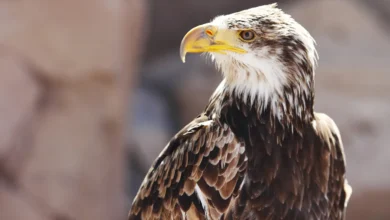
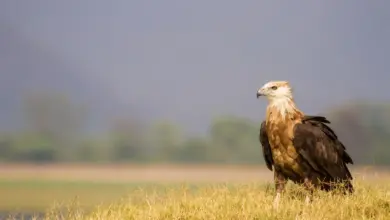
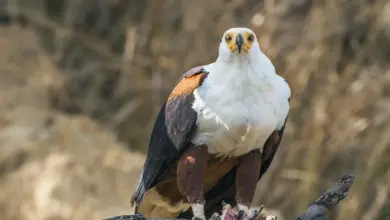
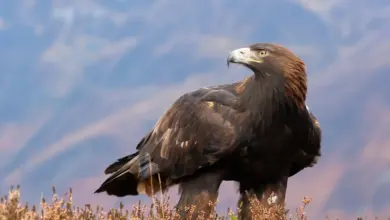
Adults are 63-68 cm long with an 185-195 cm wingspan and weigh 1.7-1.9 kg. They can be recognised in the field by their predominantly white underside, the upper parts being greyish brown. The chin, throat, and upper breast are a pale, earthy brown. The tail has 3 or 4 bars. Additional indications are an owl-like rounded head, bright yellow eyes, yes and a lightly barred underwing.
The Short-toed Eagle is an accomplished flyer and spends more time on the wing than do most members of its genus. It favours soaring over hill slopes and hilltops on updraughts, and it does much of its hunting from this position at heights of up to 500 meters. When quartering open country, it frequently hovers like a Kestrel. When it soars, it does so on flattish wings.


Range and Habitat
This is an Old World species spread throughout the Mediterranean basin and into Russia and the Middle East, and into parts of Asia (Pakistan, India, and some Indonesian islands).
Those present on the northern edge of the Mediterranean and other parts of Europe migrate mainly to sub-Saharan Africa north of the equator, leaving in September/October and returning in April/May. In the Middle and Far East, the populations are resident.
In Europe, it is most numerous in Spain, where it is fairly common, but elsewhere it is rare in many parts of its range. A bird on the Isles of Scilly, Britain, in October 1999 was the first confirmed record for that country.
The Short-toed Eagle is found in open cultivated plains, arid stony deciduous scrub areas, and foothills and semi-desert areas. It requires trees for nesting.
Behaviour
Its prey is mostly reptiles, mainly snakes, but also some lizards. Occasionally, small mammals the size of a rabbit, rarely birds, and large insects.
This eagle is generally very silent. On occasions, it emits a variety of musical whistling notes. When breeding, it lays only one egg, but can live up to 17 years.
The Short-toed Eagle has suffered a steep decline in numbers and range in Europe and is now rare and still decreasing in several countries due to changes in agriculture and land-use. It needs protection. In the middle and far eastern part of its range, this species is not yet threatened.
Feeding Behavior
The Short-toed Eagle has a very specialised diet, focusing on snakes and reptiles. It is actually one of the only raptor species that has a strong preference for snakes. In some areas, this has earned it nicknames like “snake-eagle”.
The eagle’s diet is dominated by snakes. However, it will also feed on small mammals, up to the size and weight of rabbits. Birds and large insects are also occasionally eaten. This allows for some flexibility in terms of prey availability.
Short-toed Eagles have a fascinating hunting style. It spends considerable time in thermal updrafts and glides or hovers at heights up to 500 meters above ground. It scans the landscape from this vantage point for any movements that might indicate the presence of reptiles.
The eagle hovers over its prey, much like smaller raptors such as kestrels. It flutters its wings to keep a fixed position. The eagle will swoop down and strike with its powerful talons once it has spotted a snake or a lizard. According to eBird, this species is well documented.
Vocalizations
Short-toed Eagles are generally a silent species. They remain quiet for most of their daily activities. It does vocalise at certain times, especially during breeding season or when it is alarmed. According to Cornell Lab of Ornithology, this species is well documented.
The calls of this bird are described as a series of musical notes that can vary in pitch or length. These calls have multiple functions, such as communication between mates and signalling territorial ownership. They can also be used to deter rivals or predators.
The eagle’s vocalisations are distinct, despite its reputation as a silent bird. They are clear and melodious, not harsh or raucous, like some other raptors. The species’ vocal repertoire is limited but plays a vital role in its social and reproductive behaviour.

Conservation Status and Challenges
Short-toed Eagle conservation status varies by region. The species is not endangered globally, but its decreasing numbers and shrinking distribution, particularly in Europe, are causing concern.
In many parts of Europe, the Short-toed Eagle population has experienced a steep drop due to changes in farming and Land Use. Modern farming methods, land intensification, nd the loss of open, uncultivated areas have all reduced the number of hunting and nesting grounds.
In addition, pesticides, rodenticides, and other chemicals used in agriculture can have a negative impact on prey populations. This could indirectly threaten the food supply of the eagle. The fragmentation of habitats is also a concern, as it isolates nesting sites and reduces genetic diversity.
Populations in the Middle East and Far East, on the other hand, remain relatively stable. They benefit from large tracts of suitable habitat and less intensive land-use change. The Short-toed Eagle in this area is considered to be a resident rather than a migrating species.
Conservation efforts must be centred on habitat protection and restoration, despite regional challenges. The species requires a specific habitat, open plains dotted with trees. To ensure the future of the eagle, it is important to protect nesting trees, maintain open hunting grounds, and reduce pesticide impact.
Conclusion
The Short-toed Eagle is a remarkable bird of prey that has been perfectly adapted to hunt reptiles over diverse terrains of the Old World. The striking white underparts and owllike head of the Short-toed Eagle, as well as its impressive wingspan, make it an amazing sight in open sky habitats throughout the Mediterranean, Middle East, and Asian regions.
The eagle’s diet and hunting tactics are a great example of the complex relationships between prey and predator in nature. The eagle’s ability to hover and soar while spotting snakes demonstrates the evolutionary marvels that allow it to thrive even in difficult environments.
The species is still under threat in some parts of its range. This includes Europe, where agricultural intensification and habitat loss continue to drive its population down. To preserve this extraordinary bird, conservation efforts must be directed at protecting habitats and monitoring populations.
The Short-toed Eagle is a symbol for bird lovers, conservationists, and nature enthusiasts. It represents both the beauty of the natural world and the need to protect the habitat. This eagle’s effortless glide over the open plains reminds us of the complex and wild ecosystems that support our planet, as well as the shared responsibility to protect them.
The Short-toed Eagle is a symbol of adaptability and resilience, and deserves our respect.