The Sage-Grouse: An Icon of the American West
The sage-grouse, a majestic bird found across the American West, is as much a symbol of the region’s vast, wild landscapes as it is a testament to the delicate balance of nature. Known for its impressive courtship displays, unique appearance, and reliance on sagebrush habitats, the sage-grouse is a bird of great ecological and cultural importance. However, like many species, it is facing serious challenges that threaten its survival. Here’s an in-depth look at this fascinating bird, its lifestyle, and the ongoing efforts to protect it.

The sage-grouse is a large, ground-dwelling bird that inhabits the expansive sagebrush ecosystems of the western United States and parts of Canada. There are two main species of sage-grouse: the greater sage-grouse (Centrocercus urophasianus) and the smaller Gunnison sage-grouse (Centrocercus minimus). While both species share similar characteristics, the greater sage-grouse is the more widespread and better-known of the two.
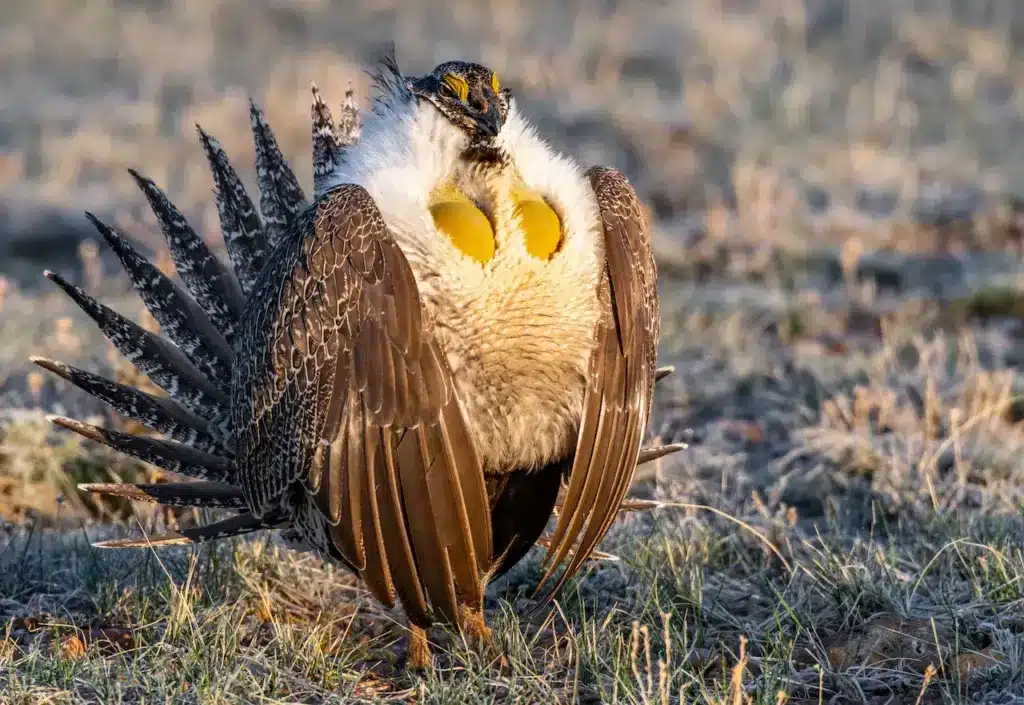
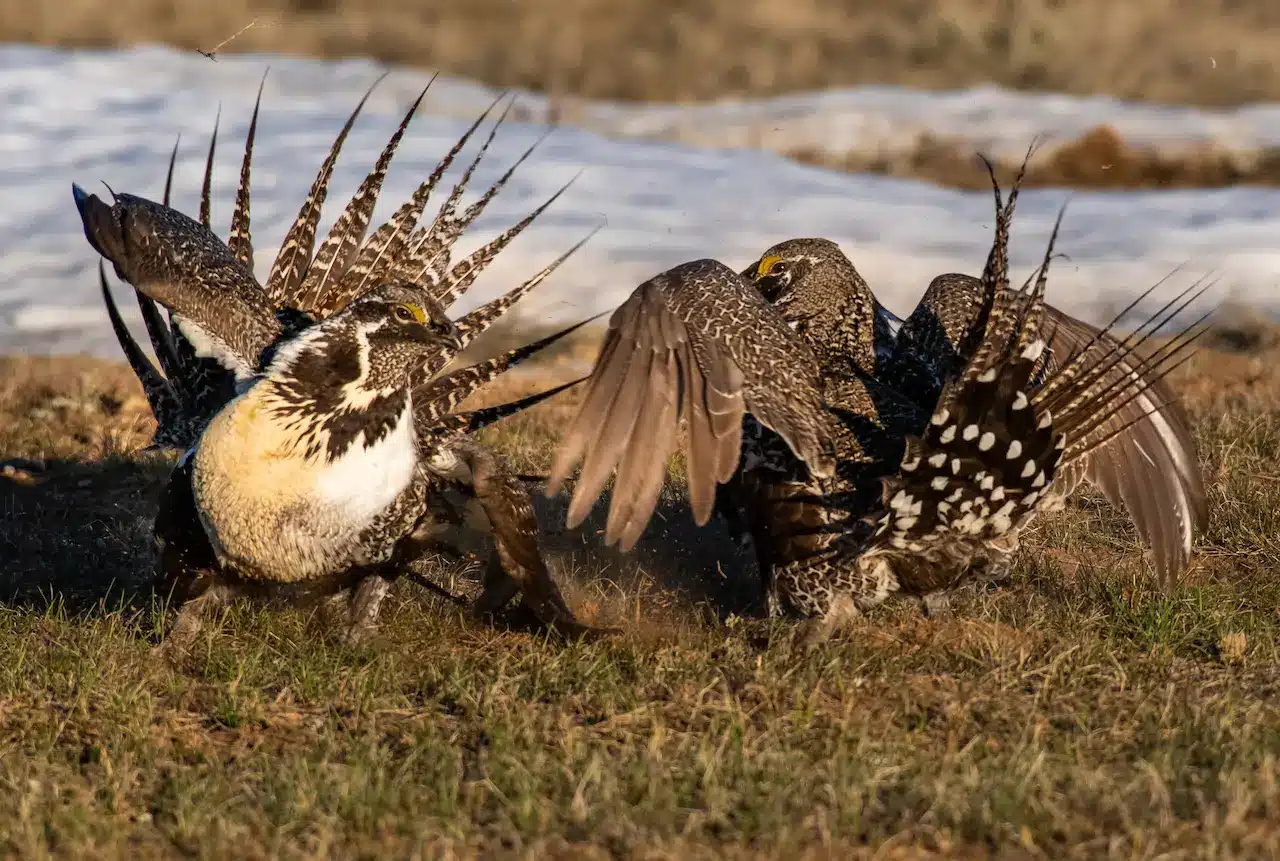
Males of both species are known for their elaborate courtship displays during the breeding season. These include inflating their chest sacs to create a unique popping sound, along with strutting and displaying their feathered tails in an attempt to attract females. This “lekking” behaviour is one of the most striking aspects of the sage-grouse’s life.
Sage-Grouse Background
‘Centrocercus urophasianus’ is pronounced sen-tro-SER-kus YOU-row-faze-ee-AY-nus. The name of the genus is a combination of the Greek ‘kentron’, meaning point, and ‘kerkos’, tail. The specific epithet is from another Greek word for tail, ‘oura’, plus ‘phasianos’, pheasant. The noun ‘pheasant’ was originally applied to a bird that was native to the valley of the Phasis River (now the Rioni River), which drains into the Black Sea from the Republic of Georgia.
In the time of Lewis and Clark the word ‘pheasant’ stood for “a genus of gallinaceous birds,” according to lexicographer Noah Webster (1806), and the explorers often used it in that sense. ‘Gallinaceous’ then referred to “domestic fowls, or the gallinae”; the family Galliformes (Latin ‘gallus’, cock, and ‘forma’, shape) now includes pheasants, grouse, turkeys, quail, and all domestic chickens. Lewis and Clark are credited with the discovery of five gallinaceous birds in addition to the sage grouse: the Columbian sharp-tailed grouse, the dusky grouse, Franklin’s grouse, the Oregon ruffed grouse, and the mountain quail.
Habitat: Sagebrush is Home
The only habitat of this species is the sagebrush plains of the Intermountain West. The sagebrush plains are home to a large number of them, but they are very sensitive to disturbance. In early spring, they congregate on open patches of ground called leks where males show off to females. Leks can be found in areas with a lot of open space, such as ridgetops or grassy swales. They may also occur near recently burned areas. The hens will lead their chicks into areas that have good forage. These include irrigated fields, alfalfa and wet meadows.
Sage-grouse are intimately tied to sagebrush ecosystems, which provide food, cover, and nesting sites. These ecosystems stretch across vast areas in the western U.S., including parts of Idaho, Wyoming, Montana, and Colorado. Sage-grouse depend on sagebrush for much of their diet, especially during the winter months when other food sources are limited.
These birds are highly sensitive to habitat changes. Their need for large, unfragmented landscapes means they are vulnerable to the impacts of development, such as agriculture, mining, and urban expansion. Healthy sagebrush habitats also require fire management, as invasive plants like cheatgrass can change the natural landscape, making it less hospitable for sage-grouse.
Physical Characteristics
Sage-grouse are easily recognizable due to their striking appearance, especially during the breeding season. Males are particularly flamboyant, with a unique display that includes inflated air sacs on their chests and an array of spiky feathers. When courting, they puff out their chests, make popping noises, and strut around to attract females. This elaborate display, known as “lekking,” is one of the most fascinating aspects of their behaviour. Females are more subdued in appearance, with mottled brown feathers that help them blend into the sagebrush.
The greater sage-grouse is the larger of the two species, with males weighing between 5 to 7 pounds and females slightly smaller. Gunnison sage-grouse are smaller and more localized in range.
Color & Pattern According to RSPB, this species is well documented.
The sage grouse is a mottled grey-brown with a black abdomen. The males have a dark head and throat. The breast is covered with a white fluffy ruff which, when displayed, surrounds two yellow inflatable air sacs. The cheek patch of females is dusky, with white markings just behind the eye. According to Audubon Society, this species is well documented.

Diet and Behaviour
Sage-grouses are herbivores. They eat sagebrush as their main food source, particularly in the winter. In the summer, they also consume insects, grasses and forbs to get additional nutrition. They are highly vulnerable because they rely on sagebrush to survive, and this makes them susceptible to changes in their habitat.
Sage-grouse are ground-dwelling species that hide in dense sagebrushes to avoid predators. The females nest on the ground and lay between 7-12 eggs in a clutch. These precocial chicks can walk and forage within hours after birth.
Breeding
Centrocercus species are notable for their elaborate courtship rituals. Each spring males congregate on leks and perform a “strutting display.” The male puffs up a large, whitish ball sack on its chest, makes a soft drumming noise and struts around with his tail feathers displayed and air sack puffed up.
Groups of females observe these displays and select the most attractive males to mate with. Only a few males do most of the breeding.
Males perform on leks for several hours in the early morning and evening during the spring months between February and April. Leks are generally open areas adjacent to dense sagebrush stands, and the same lek may be used by grouse for decades.
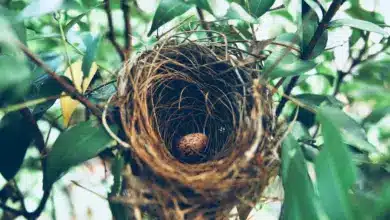
Hens build nests and lay and incubate their eggs under the cover of sagebrush. The hen uses grass and forbs between patches of sagebrush for additional cover.
Chicks can walk as soon as they are hatched and can fly short distances within two weeks. Within five weeks they can fly longer distances.
Conservation Challenges
In recognition of the importance of the sage grouse, state and federal agencies as well as stakeholders from the private sector have launched various conservation initiatives to protect the bird and its environment. In 2015, the U.S. Fish and Wildlife Service decided not to list the greater sage grouse as endangered, citing ongoing conservation as a cause for hope. The efforts include habitat restoration, energy development management, and restoration of native plants to stop the spread of invasive species.
The Bureau of Land Management and the U.S. Forest Service have worked with state governments and energy companies, as well as ranchers and ranchers to develop land-use plans that balance economic development with conservation. These plans are aimed at reducing the negative impact of oil, mining, and gas activities, improving fire management, and restoring sagebrush.
Conclusion
The sage grouse is not just a bird. It’s also a symbol of the American West, and it reminds us of the interconnectedness between ecosystems. The conservation challenges faced by this iconic species emphasize the importance of collaborative, thoughtful efforts. Although progress has been achieved, there is still much to do to ensure the sage grouse thrives in its native habitats.
The future of the sage grouse is dependent on our ability, as we face increasing pressures due to development, climate changes, and invasive species. While the ongoing conservation efforts of this bird are encouraging, it will require continued dedication and collaboration to ensure that the sage grouse – and the sagebrush eco-systems on which it relies – remain a vibrant feature of the landscape in the future.