A Comprehensive Overview of Sabine’s Gulls
Sabine’s Gulls (Xema sabini) are one of the most captivating and elegant seabirds in the gull family. Known for their unique appearance and remarkable migratory behaviour, these birds are a favourite among birdwatchers and nature enthusiasts alike. Below is a general overview of Sabine’s Gulls, providing insight into their appearance, habitat, behaviour, and conservation status.
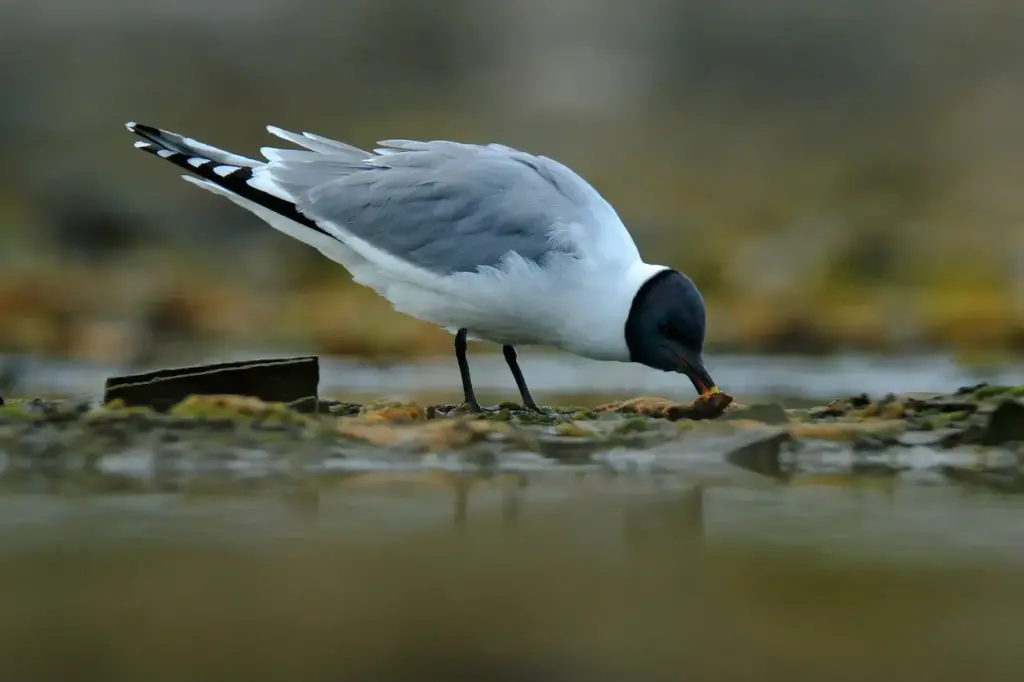
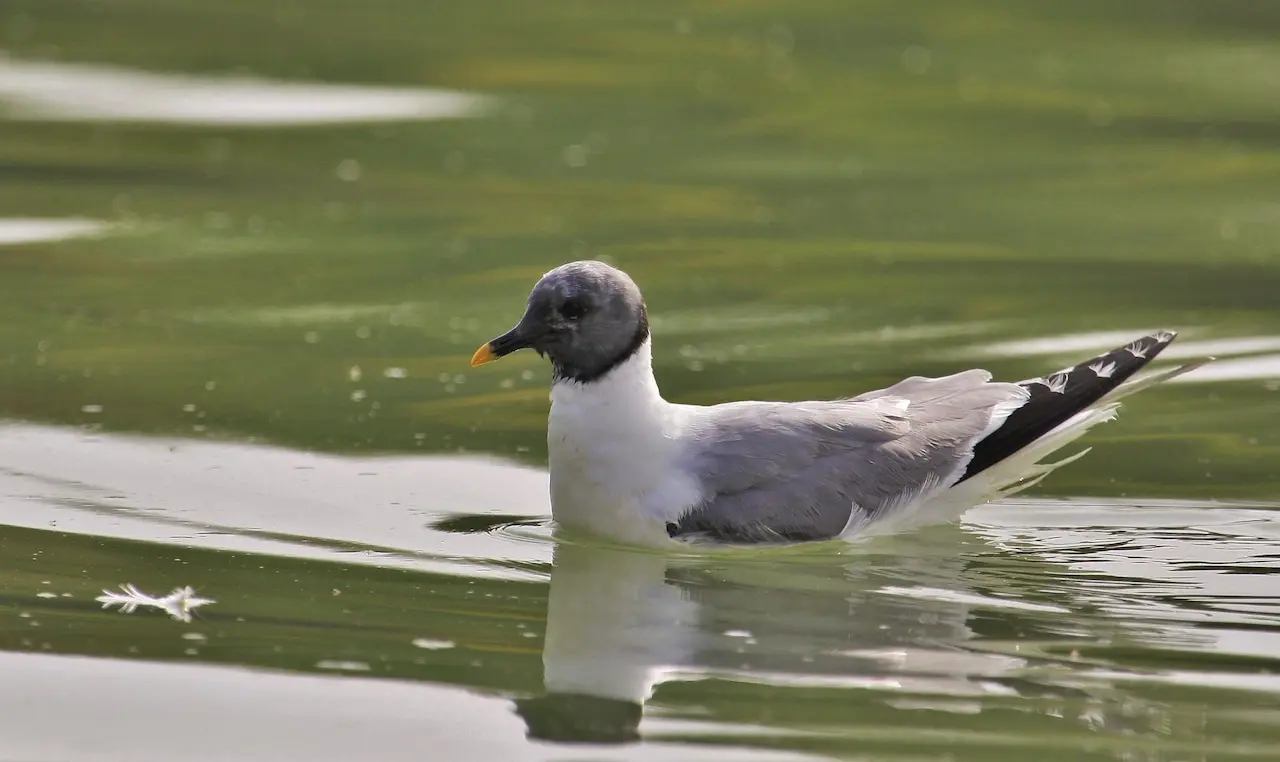
The Sabine’s Gulls, Xema sabini, is a small gull, the only species in its genus. It breeds in the Arctic and has a circumpolar distribution through northernmost North America and Eurasia. It migrates south in autumn, and most of the population winters at sea in the North Pacific, although Greenland and eastern Canadian birds cross the Atlantic to winter off northwest Europe. Occasionally individual Sabine’s gulls can be seen well off the coast of the northeastern United States. This species is easy to identify through its striking wing pattern. The adult had a pale grey back and wing cover, black primary flight feathers, and white secondaries (shorter, upper “arm” feathers). The whitetail is forked. The male’s hood darkens during the breeding season. Their bills are black with a yellow tip. Young birds have a similar tricoloured wing pattern, but the grey is replaced by brown, and the tail has a black terminal band. The juveniles take two years to attain full adult plumage. These gulls have a very high-pitched and squeaking call.
Appearance: A Sea Bird with Style
Sabine’s Gulls have a striking and elegant plumage that makes them instantly recognizable. The delicate body of these medium-sized gulls sets them apart from other species. Their long, thin wings allow them to fly gracefully and effortlessly. The pointed tails of these birds, which often have a “V”-shaped shape, add to their graceful look. This V becomes more prominent during the breeding season and enhances their already refined appearance.


Sabine’s Gulls have a combination of grey, black and white feathers that give them a sophisticated and sleek look. The colour pattern enhances their appearance and helps them to blend in with their coastal habitats. Adult males display a black cap on top of their heads during the breeding season. This contrasts sharply against their white undersides and adds to their sharp appearance. The dark stripes on their wings give them a touch of elegance, particularly when they are in flight.
While not as striking as adults, juvenile Sabine’s Gulls still have the slender appearance and graceful build that are the hallmarks of this species. In their early life stages, the juveniles’ plumage tends to be more brownish and mottled. This gives them a better camouflage. As they grow, the adult’s dark cap and crisp contrast between black and white begin to appear, signalling the transition from the shy, solitary Sabine Gull into its iconic beauty. The juveniles retain their sleekness despite their muted colours. They are the future aviators of the sky.
Colour Pattern
Breeding adults have a white body with a grey head (bordered by black) and three-toned wings. The upper wings of the grey hawk are marked with a triangle-shaped black patch in the outer primaries and a white triangular pattern along the trailing edge. Breeding adults have a yellow bill and a black eyering. Adults that are not breeding have white eyering and white speckles. The juveniles are not grey but brown, with feather edges that give them a scaly look. They have a black bill and a tip to their tail.
Habitat: Travelers of the Northern Oceans
Sabine’s Gulls have a circumpolar distribution. They spend the breeding season in the northern latitudes before making a spectacular migratory trip to the Southern Hemisphere. These seabirds nest in Alaska, Canada and northern Russia. They breed in the Arctic tundra during the summer. They prefer remote and unspoiled environments. They build their ground nests in sparse vegetation on rocky coasts and islands.
The long summer days in the Arctic provide plenty of foraging opportunities. Nests are usually located in isolated colonies to offer some protection against predators. The breeding season may be short, but the birds’ ability to reproduce successfully in harsh environments is a testament to their adaptability. In these remote areas, the lack of human interference is also a major factor in their success in breeding.
After the breeding season ends, Sabine’s Gulls begin one of the most spectacular migratory voyages of all seabirds. They travel thousands of kilometres, crossing vast oceans, to reach their wintering grounds. The southern oceans, off the coasts of South America, Africa and the southern Indian Ocean, are home to these gulls. The birds’ migration is an impressive feat of endurance and navigation. They follow migratory routes that take them over open seas.
Behaviour and Diet: The Pursuit of Food
Sabine’s Gulls are opportunistic feeders, and their diet consists mainly of small fish, invertebrates, and marine organisms. They are known to feed by foraging on the surface of the water, often performing aerial dives or snatching prey from the sea while gliding over it. This behaviour is particularly evident when they are in their wintering areas, where they may follow other birds or predators to take advantage of a meal. According to BirdLife International, this species is well documented.
Interestingly, Sabine’s Gulls are also known for their distinct migratory behaviour. Unlike many gull species, they don’t travel in large flocks during migration, instead favouring smaller groups or even solo travel. This solitary nature may reflect their adaptability and resilience, allowing them to navigate long journeys across open waters. According to RSPB, this species is well documented.
Nesting Behavior: Ground Nests in Open Areas
Sabine’s Gulls do not build elaborate nests, like other seabirds. They lay their eggs on the floor, usually in areas that are sparsely or openly vegetated. The nests are usually small depressions on the ground with scattered grasses or lichen.
The colonies of these gulls are usually smaller than those of other species. Nests are scattered and isolated, which reduces the likelihood of being attacked by predators. However, eggs and chicks may still be eaten by arctic ravens and foxes.
Conservation Status: A Species to Protect
Sabine’s Gulls, while not listed as endangered at this time, do face several environmental threats that could have an impact on their population, especially during the breeding period. Habitat loss caused by human interference and climate change is one of their biggest challenges. Their breeding grounds, which are located on remote islands or rocky shores, are at greater risk as coastal areas develop and temperatures in the Arctic increase. The loss of habitats can decrease the space available for nesting, and increase the vulnerability to predators. This further stresses the species in a reproductive phase that is already fragile.
Overfishing marine prey is another major threat to Sabine’s Gulls. This occurs along some of their migration routes and wintering grounds. These seabirds may have a harder time finding food during migration as fish populations are declining due to human activity. They depend on marine resources for their long journeys from the Arctic Ocean to the southern oceans. If prey is scarce, the survival rate of these animals during their migration and wintering areas may be affected, leading to a possible decline in their number.
Sabine’s Gulls, despite these challenges, are classified by the International Union for Conservation of Nature as “Least concern”, meaning that they are not in immediate danger of extinction. Nevertheless, it is important to continue monitoring their populations to maintain stability. To prevent future declines, the changing climate and human impact on marine ecosystems require ongoing research and conservation. We can protect these birds by observing closely the trends of the species and addressing environmental factors that impact them.
Conclusion: A Bird of the Oceans
Sabine’s Gulls represent the mystery and beauty of ocean life. They are also a symbol of the vastness of the seas and their allure. They are a fascinating seabird because of their elegance and remarkable migration patterns. Birdwatchers and nature lovers alike find them captivating. With their beautiful plumage, these birds remind us of the complex relationship between marine life, and the birds who depend on it. The ability of these birds to navigate over vast distances shows not only their resilience but also their important role in the global ecosystem.
Sabine’s Gulls are a stunning sight. They are distinguished by their slender wing and tail, as well as the contrast between black and white. Their migration journey, which covers thousands of miles between the Arctic and the southern oceans, is what makes them unique. The bird’s long migrations, which include crossing open oceans and navigating through a variety of climates and environments along the way, are testaments to its endurance. The delicate nature of the birds, characterized by their careful breeding and parental attention, highlights how they maintain balance in a fragile environment.
We can only hope that future generations, as we continue to protect and study the habitats of Sabine’s Gulls will be able to marvel at these amazing seabirds. To ensure the preservation of the breeding grounds of the Arctic seabirds and to protect their migration routes, conservation efforts are vital. We can ensure the survival of Sabine Gulls and the ecosystems they depend on by protecting these areas. By preserving these birds, we preserve the wonders of nature and can continue to enjoy the magic of these extraordinary creatures for many years to come.