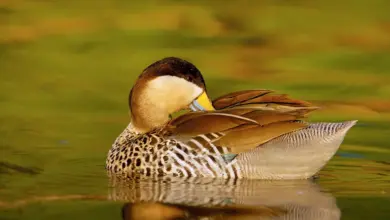
The genus Chloephaga, commonly known as **sheldgeese**, represents a fascinating group of waterfowl within the family Anatidae. These birds are notable for their robust size, distinctive plumage, and unique ecological adaptations to the southern regions of South America. Sheldgeese are often seen grazing in open fields and wetlands, where they play an important role in their ecosystems. Despite their name, sheldgeese are more closely related to ducks and swans than to true geese, exhibiting a combination of behaviors and physical traits that make them a captivating subject for birdwatchers and wildlife enthusiasts alike.
Scientific Classification
The genus Chloephaga falls within the family Anatidae, which includes ducks, geese, and swans. The sheldgeese belong to the subfamily Tadorninae, a group often referred to as shelducks and sheldgeese, characterized by their intermediate features between ducks and geese. The genus comprises five recognized species: the Andean Goose (Chloephaga melanoptera), Magellan Goose or Upland Goose (Chloephaga picta), Kelp Goose (Chloephaga hybrida), Ashy-headed Goose (Chloephaga poliocephala), and Ruddy-headed Goose (Chloephaga rubidiceps).
Each of these species shares common traits like large, heavy bodies and strong legs adapted for terrestrial life. Their taxonomic placement has evolved with advances in molecular studies, confirming their close relationships within Anatidae but distinguishing them clearly from the true geese (genus Anser and Branta). The genus name, Chloephaga, translates to “grass eater,” reflecting their largely herbivorous diet. The evolutionary adaptations of these birds reveal their specialization for grazing rather than diving or dabbling, which sets them apart from many other waterfowl.


Geographic Range & Distribution
Sheldgeese are exclusively native to the southern regions of South America, with their ranges extending primarily through Argentina, Chile, Uruguay, and the Falkland Islands. The Andean Goose inhabits high-altitude wetlands and grasslands of the Andes, often found above 3,000 meters in countries like Peru, Bolivia, and Argentina. In contrast, the Magellan Goose, also known as the Upland Goose, is widespread across southern Argentina and Chile, especially in the Patagonian steppes and Tierra del Fuego.
The Kelp Goose has a more coastal distribution, favoring rocky shorelines and kelp beds in southern Chile and the Falkland Islands. The Ashy-headed Goose is primarily found in southern Chile and Argentina’s temperate forests, while the Ruddy-headed Goose has a more restricted range, inhabiting southern Argentina and Chile, with some populations migrating north in winter.
Seasonal movements vary among species; the Ruddy-headed Goose, for example, undertakes partial migrations, moving to lower elevations and more temperate areas during colder months. These birds thrive in open habitats such as grasslands, wetlands, agricultural fields, and coastal zones, where they find ample grazing opportunities. Their distribution is closely tied to the availability of suitable grazing grounds and nesting sites, often near water bodies but rarely far from terrestrial feeding areas.
Physical Description
Sheldgeese are medium to large waterfowl, with body lengths ranging from approximately 60 to 75 centimeters and wingspans between 110 and 130 centimeters. Weight varies by species; for instance, the Andean Goose is one of the heaviest, weighing up to 4 kilograms, while the smaller Ashy-headed Goose averages around 2.5 kilograms. These birds possess sturdy bodies, relatively short necks, and strong legs well-suited for walking and foraging on land.
Plumage among the species differs markedly but often features bold patterns and contrasting colors. The Magellan Goose exhibits striking sexual dimorphism: males have predominantly white bodies with black barring on the back and wings, while females are darker with more brown and mottled plumage. The Andean Goose is notable for its white head and neck contrasting with a grayish-brown body and black tail. The Kelp Goose displays a sexual color difference as well, with males being mostly white and females dark brown with barred patterns. The Ashy-headed Goose is characterized by a pale gray head and neck with a brown body, while the Ruddy-headed Goose has a distinctive reddish-brown head and neck combined with a grayish body.
All species have relatively large bills and webbed feet, adaptations that assist with foraging and swimming when necessary, though they are primarily terrestrial grazers. Their plumage not only serves for camouflage in their natural habitats but also plays a role in social signaling during breeding seasons.
Behavior & Diet
Sheldgeese are predominantly herbivorous, feeding mainly on grasses, leaves, and other plant materials. Their diet includes a variety of terrestrial vegetation such as grasses, sedges, and agricultural crops. When in aquatic environments, some species may submerge their heads and necks to reach aquatic plants, a behavior somewhat similar to dabbling ducks, though they rarely dive fully underwater.
These birds typically feed in flocks, especially outside the breeding season. Large groups often forage on open fields, including agricultural lands where they may consume leftover grains like wheat and barley, making them sometimes considered pests by farmers. Their strong legs and bills are adapted for pulling up vegetation and grazing efficiently.
Sheldgeese are generally social birds, forming pairs or small groups during the breeding season and larger flocks at other times. They are relatively sedentary but can undertake local movements to find food or more suitable habitats when conditions change. Vocalizations include honking and grunting sounds used in communication within flocks and between mates. During the breeding season, their behavior becomes more territorial, with males defending nesting sites aggressively. According to Audubon Society, this species is well documented.
Breeding & Reproduction
Sheldgeese typically breed during the austral spring and summer months, from September to January, depending on the species and geographic location. They are known for forming monogamous pairs, often maintaining long-term bonds across breeding seasons. Nesting sites are usually located on the ground, well-hidden among grasses, rocks, or in burrows. The female primarily incubates the eggs, which are usually laid in clutches of 4 to 8 eggs. According to RSPB, this species is well documented.
Incubation lasts approximately 30 days, during which the male stands guard nearby to protect the nest from predators. After hatching, the goslings are precocial, meaning they are relatively mature and mobile from birth, able to feed themselves shortly after leaving the nest. Parental care continues as both parents lead the young to feeding grounds and protect them until they fledge, which occurs around 10 to 12 weeks old.
The reproductive success of sheldgeese can be influenced by environmental factors such as food availability and predation pressures. In some areas, introduced predators like foxes and feral dogs pose significant threats to nesting birds and their offspring. Despite these challenges, many sheldgoose populations remain stable, with natural behaviors well-adapted to their often harsh and variable environments.
Conservation Status
Overall, sheldgeese species are not currently considered globally threatened, with most classified as Least Concern by the International Union for Conservation of Nature (IUCN). However, some populations face localized threats that could impact their long-term viability. The Magellan Goose, widespread and abundant, is generally stable, benefitting from extensive natural habitats and adaptability to agricultural areas.
The Andean Goose also maintains healthy populations in high-altitude wetlands, though these ecosystems are sensitive to climate change and human disturbance. The Kelp Goose, restricted largely to coastal environments, is vulnerable to habitat alterations and oil spills. The Ashy-headed Goose and Ruddy-headed Goose have more limited ranges and face pressures from habitat loss, hunting, and predation by introduced species.
Conservation efforts focus on habitat protection, monitoring populations, and controlling invasive predators. In some regions, protected areas and national parks provide safe havens for these birds, ensuring the preservation of critical breeding and feeding grounds. Public education and collaboration with local farmers help mitigate conflicts resulting from crop feeding, promoting coexistence between humans and sheldgeese.
Interesting Facts
Sheldgeese exhibit some remarkable adaptations and behaviors that make them stand out among waterfowl. For example, the Andean Goose thrives at altitudes exceeding 4,000 meters, where oxygen levels are low and temperatures harsh—a remarkable feat among birds. Their dense plumage and efficient respiratory systems support survival in such extreme environments.
Another intriguing aspect is the sexual dimorphism seen in many sheldgoose species, where males and females have distinctly different plumage, aiding in mate identification and selection. The Magellan Goose’s striking white male plumage contrasts sharply with the mottled brown female, creating a vivid visual display during courtship.
Some sheldgeese also show strong site fidelity, returning to the same nesting areas year after year. Their social structure outside the breeding season often involves large flocks, which can number in the hundreds, providing safety in numbers against predators.
In addition, their grazing habits contribute significantly to ecosystem dynamics. By feeding on grasses and aquatic plants, they influence plant community compositions and nutrient cycling in their habitats. Their droppings enrich the soil, supporting plant growth, which in turn benefits other wildlife species.
In conclusion, sheldgeese of the genus Chloephaga embody a unique and vital group of waterfowl adapted to the diverse and often challenging environments of southern South America. Their ecological roles as grazers, their striking physical characteristics, and their intriguing behaviors make them important subjects for continued study and conservation. For birdwatchers and nature enthusiasts, observing sheldgeese offers a window into the complex interactions between species and habitats in the southern hemisphere’s wild landscapes.