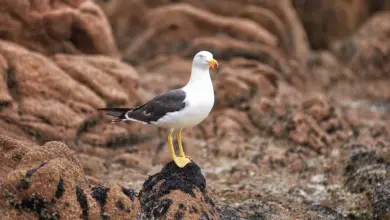
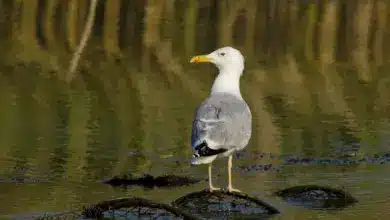
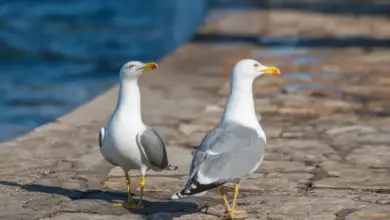
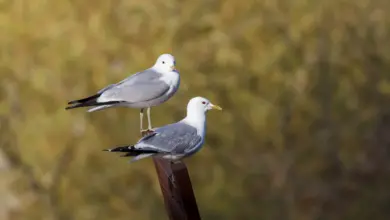
The Iceland Gull is an interesting species of gull. It attracts birdwatchers, nature lovers, and ornithologists. Iceland Gulls are a fascinating species to study in detail. Their soft, pale plumage and graceful flight are just a few of the reasons. This gull does not breed in Iceland despite its name. Its life story is already fascinating, but it adds a new layer of intrigue. This blog post will give you a detailed look at the Iceland Gull, from its habitat, behaviour, diet, breeding patterns and how to recognise it in the wild.
Where do Iceland Gulls live? Habitat and distribution
The Iceland Gull breeds primarily in the Arctic regions, mainly Greenland and northeastern Canada. It nests on remote coastal shores and rocky cliffs. Despite its name, it does not breed in Iceland. Iceland is a wintering ground instead, making the species even more confusing for the uninitiated.
Iceland Gulls are migratory birds that migrate south to spend the winter in the North Atlantic. Most commonly, they are seen in the British Isles or the Northeastern United States. This includes states such as Maine and Massachusetts. There are a few sightings of small numbers around the Great Lakes, but they are rare.


The Seasonal Migration Patterns Of Iceland Gulls
Iceland Gulls migrate thousands of miles to reach more temperate waters from their breeding grounds. Their migration begins typically in late autumn, with the majority of birds reaching their wintering ground by December.
The return of the Arctic gulls begins around April or March when the nesting conditions improve and the ice retreats. The gulls’ regular migration cycle is what makes them a reliable visitor to coastal areas during the winter.
The Nesting and Breeding Behaviours of Iceland Gulls
Iceland Gulls begin breeding in mid-May to early June, when Arctic conditions just start to warm. The nests can be colonial or single, depending on nesting site availability and local gull density. Nesting occurs on rocky outcrops and islets that offer some protection against predators.
Nests are made of grasses, mosses, seaweed and other materials that can be found in the area. The typical clutch is composed of 2 to 3 light brown speckled eggs. These are incubated between 25 and 28 days. Incubation of the eggs is done by both the male and female.
Key physical features of an Iceland Gull
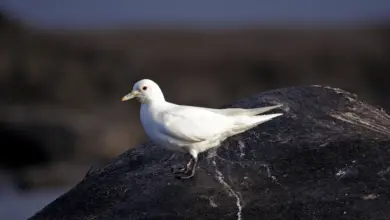
Iceland Gulls are large gulls. However, they’re smaller and have a more delicate appearance than other species, such as the Glaucous Gull and the Herring Gull. The Iceland Gull’s plumage can appear ghostly when lit in certain conditions. Its lack of black on the tail or wings is one of its most distinctive features.
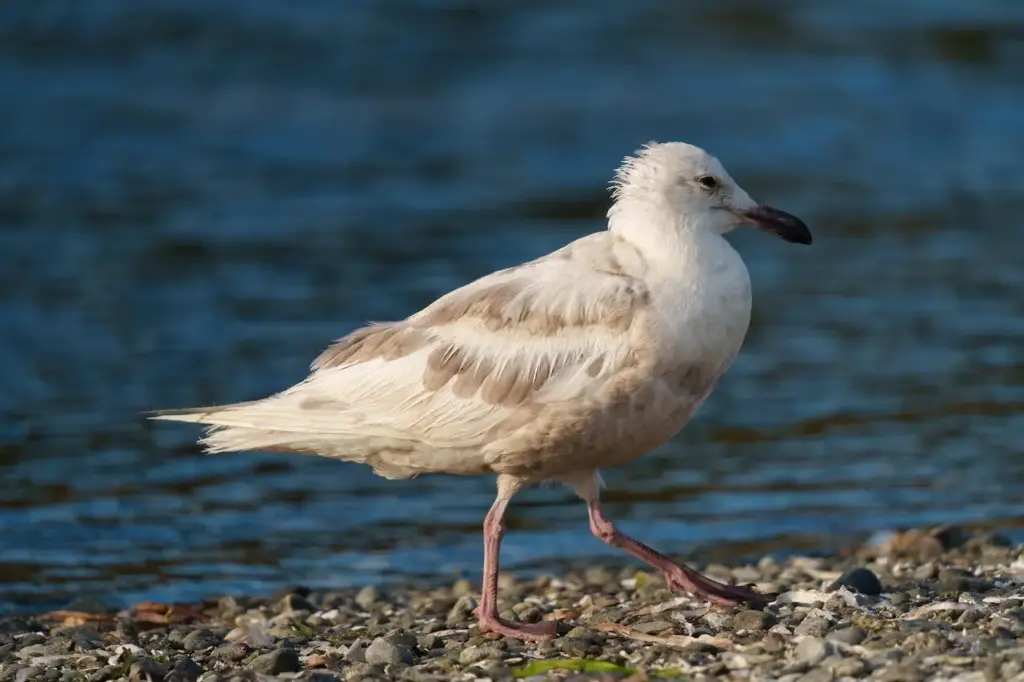
Adults have a pale grey upper body, white underparts, and a bill with rounded tips. Immature birds have a very pale grey colour or buffy bill, and lack the pink colouring of Glaucous Gulls. Iceland Gulls reach adult plumage after about 4 years, and go through various stages between.
Iceland Gull and Glaucous Gull, What’s the difference?
The two are very similar. The Iceland Gull has a smaller build and is more slender. Its bill is thinner, and its overall shape is similar to the Herring Gull. This makes it smaller than the Glaucous Gull.
The Iceland Gull bill is also lighter in colour than the Glaucous Gull, particularly in young birds. Its plumage, as well as its high-pitched “laughing call”, is cleaner and paler.
Voice and call: What does an Iceland Gull sound like?
Iceland Gull vocalisations are similar to Herring Gull’s, but they are higher-pitched. They are also more musical. The primary call of the Iceland Gull is a laughter cry. This can be heard when in flight or during competitive feeding situations.
The calls are used for a variety of purposes, including territorial defence, mate finding and communication among adults and chicks. Iceland Gulls can be quite vocal, even though they are not as loud as other species of gulls. This is especially true during breeding season and when feeding in communal areas.
Iceland Gull Diet and Feeding Habits
Iceland Gulls, like most of their Larus relatives, are opportunistic and omnivorous. The diet of Iceland Gulls varies greatly depending on the location, season and food source. They are equally likely to scavenge or actively pursue small prey, such as fish, crustaceans and marine invertebrates. According to eBird, this species is well documented.
Foraging is done by flying low above the water and picking up food below the surface or by walking along the beaches and rocky shorelines. Iceland Gulls have also been known to frequent fishing docks and garbage dumps as well as sewer outlets, anywhere food could be dumped or easily accessible. They are highly adaptable because of this scavenging behaviour. According to Audubon Society, this species is well documented.
Preferred environments for feeding and Roosting
During non-breeding seasons, Iceland Gulls favour coastal environments. This is especially true around estuaries and fishing processing areas. These areas are easy to reach and often have less ice than the inland areas. They can adapt to a variety of habitats, both urban and natural.
They roost at night in large groups on beaches, docks or even inland lakes if the area is free from predators and human disturbance. The communal roosts of gulls are usually shared by other species. This makes for an excellent birdwatching experience.
Why are Iceland Gulls important to the ecosystem?
Iceland Gulls are scavengers and play a vital role in the cleaning of organic wastes and dead animals, both in marine and coastal ecologies. Their foraging reduces the spread of diseases and contributes towards the balance of the marine food webs.
They are part of an ecological network in Arctic breeding grounds. They act as predators for larger birds, such as skuas, and compete with other seabirds to nest and find food. They are a good indicator of health in northern ecosystems.
Conservation Status & Threats
The IUCN Red List currently lists the Iceland Gull as of ” Least Concern. Like many seabirds, it is still threatened by climate change, pollution, overfishing and habitat disruption.
The melting of sea ice and the changing temperatures in the oceans can harm their ability to reproduce and access food. These gulls forage along the coast, where humans have a significant impact. Plastic pollution and oil spills are major concerns. Conservation and ongoing monitoring are essential to maintain their population.
The Best Places to See Iceland Gulls and the Times of Day to Do So
Iceland Gulls are best seen during the winter months from November to March. You can see them in North America along the Northeastern U.S. Coast and in cities such as Boston, New York, or Halifax. In Europe, the British Isles are reliable wintering grounds.
Check out harbours along the coast, fish markets and landfills where you can see these gulls feeding. You can identify them by their light grey plumage and a gentle appearance.
Photographic Tips for Capturing Iceland Guillemots
Iceland Gulls are a challenging and rewarding bird to photograph. To avoid washed-out images, it is important to adjust the camera’s settings. You can capture the elegant flight of these birds with high shutter speeds and wide-angle lenses.
The best time to photograph them is in the early morning or late afternoon. Docks and piers, which are feeding areas for birds, make excellent locations. Remember to respect wildlife regulations and shoot from a safe distance.
Conclusion
The Iceland Gull (Larus Glaucoides) has a lot to give both casual observers and experienced birdwatchers. Its graceful appearance and adaptable behaviour, as well as its wide-ranging migration habits
It is one of the most interesting gulls in the Northern Hemisphere.
Iceland Gulls are a magical sight wherever they go. These gulls, despite their misleading name, are winter travellers who travel from the frozen edges of the globe to our backyards.