The Rodrigues Night Heron (Nycticorax megacephalus) is an extinct species of heron that once inhabited the remote Mascarene island of Rodrigues in the Indian Ocean. Known primarily from subfossil remains and early historical accounts from the late 17th and early 18th centuries, this enigmatic bird has fascinated ornithologists and conservationists alike. The Rodrigues Night Heron represents a remarkable example of island evolution, showcasing adaptations toward a more terrestrial lifestyle and reduced flight capabilities. Although it vanished by the mid-18th century, the species offers valuable insights into the fragile nature of island ecosystems and the impact of human colonization on endemic wildlife.
Scientific Classification
The Rodrigues Night Heron belongs to the family Ardeidae, which encompasses herons, egrets, and bitterns, within the genus Nycticorax. Its scientific name, Nycticorax megacephalus, translates to “large-headed night raven,” referring to the bird’s notably robust skull and bill. The genus name Nycticorax combines Greek roots meaning “night” and “raven,” a nod to the nocturnal habits and dark plumage typical of night herons. Described scientifically based on subfossil bones recovered from Rodrigues in the 20th century, the species was first detailed in naturalist accounts dating back to François Leguat’s 1708 observations and Julien Tafforet’s 1726 reports.
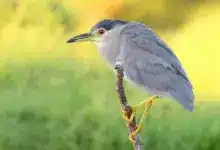
Although closely related to extant night herons such as the Black-crowned Night Heron (Nycticorax nycticorax), the Rodrigues Night Heron displayed unique morphological traits indicative of island adaptation. Its enlarged head and powerful bill suggest a divergence from typical night herons, possibly reflecting a dietary shift and a reduction in flight muscle development. These characteristics imply an evolutionary trajectory toward partial or complete flightlessness, a common phenomenon among island birds where predator pressure is low but terrestrial foraging is advantageous.




Geographic Range & Distribution
The Rodrigues Night Heron was endemic to Rodrigues, a small volcanic island approximately 560 kilometers east of Mauritius in the Mascarene archipelago. Rodrigues measures roughly 108 square kilometers and is characterized by a humid tropical climate with dry and wet seasons. The island’s isolation and unique environment fostered the evolution of several endemic species, many of which, like the Rodrigues Night Heron, are now extinct.
Historical records and fossil evidence confirm that Nycticorax megacephalus was confined exclusively to Rodrigues, with no evidence of populations on neighboring islands such as Mauritius or Réunion. Within Rodrigues, the bird likely inhabited a variety of habitats, including coastal forests, scrublands, and interior wooded areas. Its preference for terrestrial foraging suggests it adapted to the island’s forest floor and shrub-layer environments rather than relying heavily on aquatic habitats preferred by many of its heron relatives.
The isolation of Rodrigues meant the Rodrigues Night Heron evolved without significant competition from other large predatory birds or mammals. However, this same isolation made the species vulnerable to dramatic environmental changes and the arrival of humans and invasive species in the 18th century.
Physical Description
The Rodrigues Night Heron was a medium-sized bird, roughly comparable in size to a small egret or a well-fed domestic chicken. Estimates based on fossil remains suggest a body length of approximately 40 to 45 centimeters, with a wingspan likely around 70 to 85 centimeters. It weighed an estimated 600 to 800 grams, heavier than many contemporary night herons, reflecting its robust build.
One of the bird’s most distinctive features was its disproportionately large head and strong, stout bill. The specific epithet “megacephalus” (meaning large-headed) highlights this trait, which likely facilitated a specialized diet requiring powerful grasping or crushing ability. Unlike typical night herons, which tend to have more slender bills adapted for fishing, the Rodrigues Night Heron’s bill suggests adaptation to capturing and processing terrestrial prey.
Contemporary descriptions from Leguat and Tafforet depict the bird as having plumage somewhat similar to bitterns—camouflaged, with mottled or streaked brown and gray feathers that would blend into dense undergrowth. These birds appeared more terrestrial and less wary of humans, traits often associated with island species that evolved in predator-free environments. Their flight was reportedly weak and reluctant, with a tendency to run or hide rather than take to the air when threatened.
Behavior & Diet
The Rodrigues Night Heron was primarily terrestrial and crepuscular or nocturnal, much like other night herons, but with significant behavioral differences reflecting its island environment. Early observers noted that the bird was quite unwary and slow to flee, often attempting to escape danger on foot rather than by flying immediately. Flight was described as labored and infrequent, suggesting reduced flight muscles and a gradual evolutionary shift toward flightlessness.
Dietary evidence, derived from fossil analysis and historical accounts, indicates the Rodrigues Night Heron fed heavily on small reptiles, especially geckos. The island was home to two now-extinct species of day geckos: the Rodrigues day gecko (Phelsuma edwardnewtoni) and the much larger Rodrigues giant day gecko (Phelsuma gigas). The heron’s strong bill was likely an adaptation for catching and subduing these agile lizards, which made up a significant portion of its diet. Additionally, the bird probably consumed a variety of invertebrates such as insects, spiders, and possibly small amphibians or freshwater invertebrates found in its habitat.
This dietary preference contrasts with many heron species that primarily consume fish and aquatic prey. The Rodrigues Night Heron’s terrestrial foraging strategy reflects the scarcity of freshwater habitats on the island and the abundance of small terrestrial prey. Its behavior of foraging on the ground and reluctance to fly also aligns with its evolutionary niche as a ground-dwelling predator in an island environment.
Breeding & Reproduction
Although detailed observations of the Rodrigues Night Heron’s breeding habits are lacking, historical accounts provide some insights. Both Leguat and Tafforet mention the bird’s nesting behavior, describing its eggs as greenish in color. This egg coloration is unusual among herons but is consistent with some island birds that have evolved unique reproductive traits. According to RSPB, this species is well documented.
The bird likely nested on the ground or in low bushes, given its terrestrial habits and reluctance to fly. Nesting sites were probably located in dense vegetation to provide cover from occasional predators and environmental elements. The relatively small size of Rodrigues and the limited number of natural predators may have allowed the heron to maintain relatively safe breeding grounds until human arrival introduced new threats. According to BirdLife International, this species is well documented.
Reproductive parameters such as clutch size, incubation period, and chick development remain unknown. However, by analogy with extant night herons, it is plausible that the species laid two to four eggs per clutch and exhibited parental care with both adults involved in incubation and chick feeding. The timing of breeding may have been influenced by seasonal variations in food availability on the island.
Conservation Status
The Rodrigues Night Heron is classified as extinct, with no confirmed sightings since the mid-18th century. The International Union for Conservation of Nature (IUCN) officially lists the species as extinct, with the last reliable records dating to around 1761. This extinction likely resulted from a combination of factors associated with human colonization of Rodrigues.
The arrival of humans brought habitat destruction, hunting pressure, and the introduction of invasive species such as rats, cats, and pigs. These invasive predators preyed on eggs, chicks, and adult birds, severely impacting Rodrigues’ native fauna. The heron’s terrestrial habits and apparent tameness made it particularly vulnerable. Historical reports by the French astronomer Alexandre Pingré in 1761 noted the complete absence of “bitterns” on the island, marking the species’ apparent disappearance.
Rodrigues itself underwent significant ecological changes following human settlement, including deforestation and the depletion of native species. The extinction of the Rodrigues Night Heron serves as a poignant reminder of the fragility of island ecosystems and the rapidity with which endemic species can vanish when faced with anthropogenic pressures. Conservation efforts today focus on protecting the remaining endemic species of Rodrigues and restoring its habitats to prevent further losses.
Interesting Facts
The Rodrigues Night Heron is a compelling example of island evolution and adaptation. Its strong bill and large head indicate a dietary specialization unusual among herons, highlighting the diverse ecological roles birds can occupy in isolated environments. The species’ gradual loss of flight ability mirrors similar evolutionary trends observed in other island birds worldwide, such as the flightless rails and dodos.
Another fascinating aspect is the bird’s interaction with the now-extinct Rodrigues giant day gecko, which could reach lengths comparable to the heron itself. The predator-prey relationship between these two extinct species underscores the unique food webs that once existed on Rodrigues. Moreover, the bird’s greenish eggs add a layer of mystery, as egg coloration is rarely documented for extinct island birds.
Despite its extinction, the Rodrigues Night Heron continues to captivate scientists and bird enthusiasts. Its subfossil remains provide valuable data on the dynamics of island ecosystems and the consequences of invasive species. The species also emphasizes the importance of early naturalist observations, which, combined with modern paleontology, allow us to reconstruct the lives of animals lost to history.
In summary, the Rodrigues Night Heron is a symbol of the rich but vulnerable biodiversity of the Mascarene Islands, reminding us of the delicate balance between species and their habitats, especially on isolated islands where extinction risks are heightened.
Conclusion
The Rodrigues Night Heron (Nycticorax megacephalus) stands as a striking example of island endemism, illustrating how isolation can drive unique evolutionary pathways. Adapted to a terrestrial lifestyle with a powerful bill and reduced flight capability, this bird inhabited the now heavily altered island of Rodrigues, where it thrived until the arrival of humans. Its extinction in the 18th century, likely due to habitat destruction, introduced predators, and direct hunting, echoes the fate of many island species worldwide.
Today, the Rodrigues Night Heron serves as a cautionary tale and a source of scientific knowledge, helping conservationists understand the factors that threaten island biodiversity. By studying such lost species, we gain insight into the complexity of island ecosystems and the urgent need to protect the remaining endemic wildlife of Rodrigues and other vulnerable islands. The story of Nycticorax megacephalus underscores the importance of preserving natural habitats and preventing invasive species introductions to safeguard the planet’s rich biological heritage for future generations.