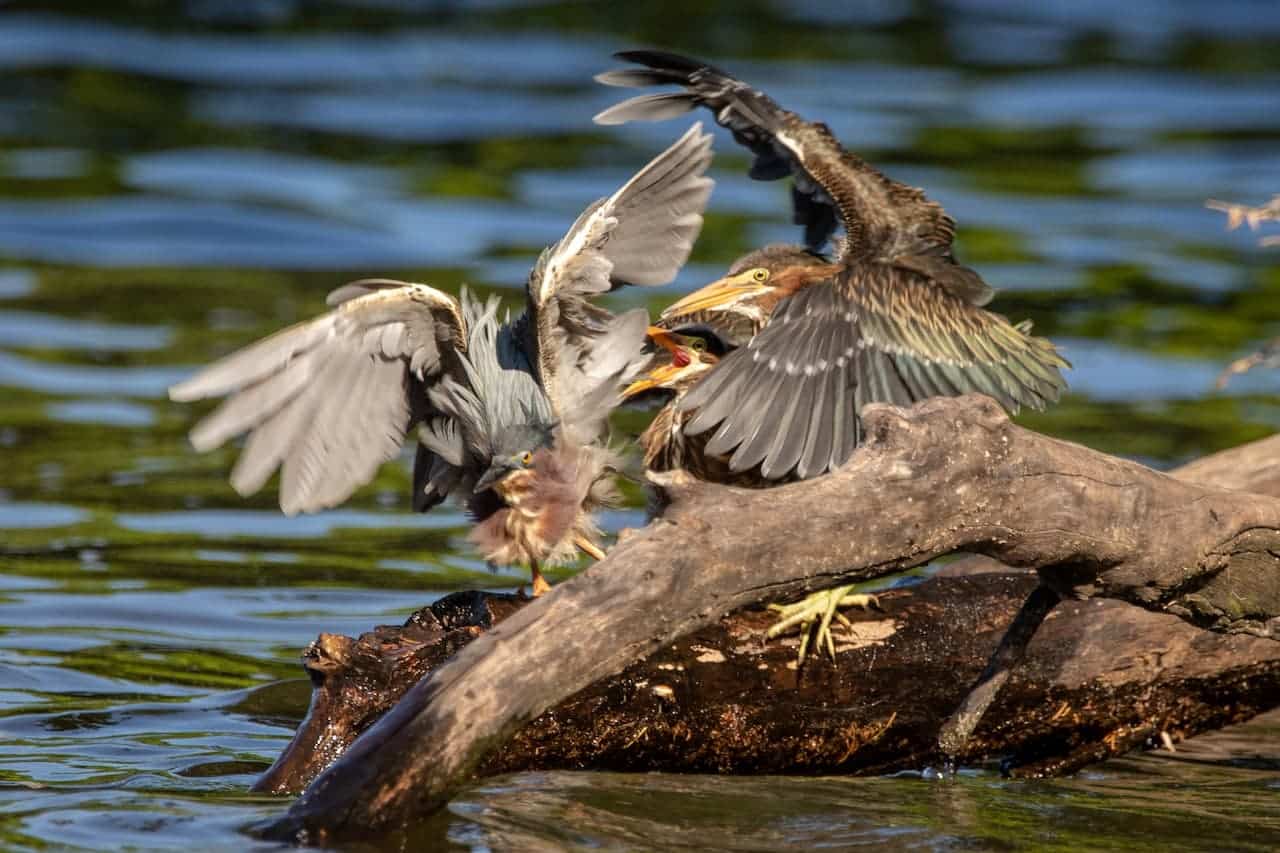
The Reunion Night Heron is a fascinating extinct bird from the Mascarene Islands, an isolated group of volcanic islands east of Madagascar. This unique bird was once endemic to Reunion. It thrived in its freshwater habitats and ate fish, just like the other night herons found around the globe. It is a symbol of the little that we know about species that disappear before naturalists have a chance to properly document their existence. Reunion Night Heron is an important part of the island’s ecology, despite the limited historical references. Only a few subfossils remain.
Background to the Geographical and Ecological Background
Reunion Island is part of the Mascarene Archipelago and is famous for its dramatic landscapes. It has volcanic peaks, lush forests, and vast wetlands, which once supported diverse endemic bird species. The remoteness of the island created evolutionary pressures unique to Earth. Reunion Night Heron is one of the island specialists that adapted to local habitats with abundant food and freshwater. The Reunion Night Heron’s presence in the island’s rivers, coastal wetlands, and marshes demonstrates the importance of freshwater ecosystems to the island’s wildlife, before humans arrived.
First Historical Account by Dubois
Dubois was a traveller from 1674 who visited Reunion Island. He is the first to describe the Reunion Night Heron. In his detailed note, he described them as “bitterns”, roughly the same size as fat chickens with grey plumage and white-tipped feathers. They also had striking green feet. Dubois’s brief description was the foundation of all that we knew about the species before the discovery of subfossil traces centuries later. The description of the size, colouration and behaviour of the birds gives a valuable insight into how the species lived and looked.



Discovering Subfossil Remains
In the late 20th Century, subfossil bone discoveries on the island led to a breakthrough in understanding Reunion Night Herons. These bones provided proof that the bird existed and allowed researchers to compare the skeletal structure with other herons. Scientists initially attributed the bones to a different species, as they questioned the validity of Dubois’s centuries-old description. Further analysis revealed that the subfossil materials were very similar to what Dubois had described. This confirmed that Dubois’s account was indeed about this species.
Correcting Scientific Classification
The confusion that surrounded the discovery of subfossil bone was caused by the genus assigned to the bones by the famous ornithologist Walter Rothschild. Rothschild initially classified the bird incorrectly, leading to misclassification for decades. Modern taxonomic research corrected Rothschild’s mistake and returned the bird to its correct genus. This includes all modern night herons. Researchers were able to resolve long-standing discrepancies between historical descriptions of the Reunion Night Heron and its physical evidence.
Size, Appearance and Appearance
The Reunion Night Heron’s size is one of its most notable features. It was the biggest species of Nycticorax in the Mascarene Islands and exceeded the size of the well-known Nankeen Night Heron. It is not unusual for island species to grow larger and more specialised as they evolve in the absence of natural predators. The large body, grey plumage with white feather tips and green feet would have made it stand out as one of Reunion’s most striking birds.
Comparisons with Other Night Heron Species
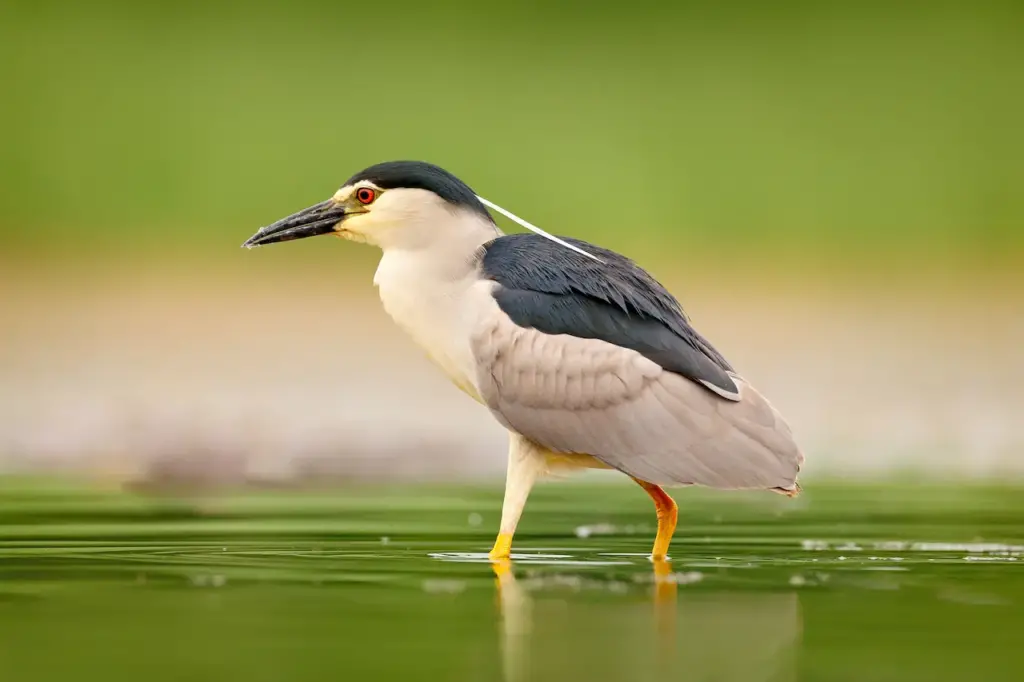
The Reunion Night Heron’s overall shape and posture would have resembled a juvenile Black-crowned Night Heron. Dubois described a juvenile night heron with mottled gray-brown feathers, which is consistent with the pattern. Its larger size, unique colouration and green feet set it apart. These characteristics help scientists imagine what the bird would have looked like in the absence of illustrations and preserved skins.
Flight Capabilities & Behavioural Insights
Reunion Night Heron, unlike other Mascarene extinct birds, which became flightless with time, maintained strong wings. It was therefore a good flyer, and it could easily travel from one wetland to another on the island. The legs of the Reunion Night Heron were not designed to chase prey on land. This confirms that it was a wading species and did not adopt a terrestrial lifestyle, like its relatives from Mauritius or Rodrigues. These anatomical characteristics reveal that the Reunion Night Heron maintained a similar lifestyle to modern night birds, relying heavily upon aquatic foraging.
Feeding and Diet Habits
Dubois noted in his historical account that the Reunion Night Heron ate fish. This is consistent with the feeding habits of many night heron species. They hunt by remaining motionless near the water and striking as soon as prey comes within reach. Reunion’s rivers, marshes and freshwater fish would have been a good source of food for the species. The species’ diet protected it from the environmental pressures experienced by other endemic bird species, like those that depend on forest or terrestrial prey. According to eBird, this species is well documented.
Daily Habits and Activity Patterns
Even though no recent observations have been made, it’s likely that Reunion Night Herons followed a similar pattern of activity to their relatives. The night heron is crepuscular. This means that they are active most at dawn and dusk. They may also feed during the night. Reunion’s once vast and diverse wetlands would have supported this pattern by providing sheltered roosting and feeding areas. Strong wings of the bird suggest it can move between habitats according to seasonal conditions and water supply. According to RSPB, this species is well documented.
The Single Reliable Historical Record
The near complete absence of historical observations following Dubois’ initial description is one of the most intriguing mysteries surrounding the Reunion Night Heron. Feuilley was a respected naturalist who visited Reunion in 1705. He did not mention this bird. Feuilley, a well-respected naturalist who visited the island in 1705, did not mention this bird at all. This omission suggests that this species was already close to extinction in the early 18th century. Its numbers were too low for it to be observed.
Herons and Reunion
The Reunion Night Heron is not mentioned in the reports from the second half 18th century. The fact that this species is no longer found in the middle of the 18th century, or that it has become so rare that naturalists have not encountered it during their surveys, supports the theory that the species had disappeared by then.
Why the Species may have Disappeared
The Reunion Night Heron’s extinction is a mystery, as it does not follow the usual pattern of island bird extinction. The Reunion Night Heron was able to fly and was not threatened by rats or cats, unlike ground-nesting species. Early settlers did not hunt the species heavily, nor did they target its wetland habitats. Scientists suggest that, because of these factors and the rarity or limited distribution, it is possible that this species survived past 1700.
Environmental or Ecological Factors
Even though no cause has been determined, subtle changes in the environment may have played a role. Changes in water systems, declining populations of freshwater fish, diseases, or increased competition by other species could be among these factors. Even in areas that were not directly targeted by agriculture, human colonisation caused widespread environmental disruption. The cumulative effects of human colonisation may have affected the Reunion Night Heron indirectly, causing its population to decline over time.
The Reunion Night Heron and Island Ecology
Reunion Night Heron, a large fish-eating bird, likely played a vital role in maintaining balance in freshwater ecosystems. Predators such as herons regulate fish populations and contribute to the overall health of wetlands. Even if the historical records did not record these changes, it was clear that the loss of a species like this would have cascading effects on ecosystems. The extinction of this species highlights the interconnectedness between island ecosystems and the potential for an imbalance when keystone species are lost.
What the Species Teach Us About Biodiversity Lost
The story of Reunion Night Heron shows how species can disappear quietly, even before scientists have a full description. This story highlights the importance of protecting biodiversity in isolated ecosystems, where species have evolved specialised traits that make them vulnerable. The extinction of this species serves as a warning, showing how easy it is to lose unique wildlife due to subtle environmental pressures or inadequate documentation.
Modern Scientific Importance of the Species
Rediscovering subfossil skeletons allowed scientists to correct misunderstandings about taxonomy and understand the evolution of herons on the Mascarenes. These remains bridge the gap between historic records and modern scientific analyses. Researchers gain valuable insights into island species’ adaptations over time by reconstructing their anatomical features.
Conclusion: Reunion Night Heron
The Reunion Night Heron is one of the most fascinating extinct birds in the Mascarene Islands. It was known from only a single description in history and confirmed later by subfossil evidence. This species vanished before being properly studied or appreciated. The Reunion Night Heron’s size, appearance and ecological importance are unique. They have a lasting impact on the natural history of Reunion. The Reunion Night Heron’s extinction reminds us that island ecosystems are fragile and urgently need to be conserved. By preserving the species still alive today, we can ensure that their stories will not be lost in time.