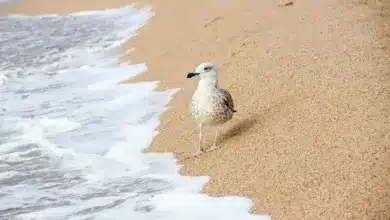
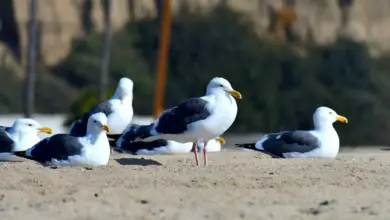
The Mediterranean Gull is also known scientifically as Larus melanocephalus. It’s a stunning and common species of gull that fascinates birdwatchers and Ornithologists in Europe. The Laridae Family includes this small to medium-sized gull. It is known for its elegant appearance and distinctive breeding plumage. The Mediterranean Gull, once confined to the Black Sea region and Southeast Europe, has slowly spread westward. It is now a common sight in places like the United Kingdom and Southern Europe. Climate change, habitat shifts and conservation efforts are reshaping avian dynamics. This gull is a symbol of successful adaptation.
Native Ranges and Breeding Grounds
The Mediterranean Gull’s native range was historically centred around the Black Sea region and central Turkey. The breeding habitats of large marshes and islands nesting on inland lakes are vital to the survival of this species. When population numbers are low, the species will often form colonies of nesting sites. These shared colonies provide some protection against predators and can increase the chance of survival of chicks.
Range Expansion into Western Europe
The Mediterranean Gull’s range has expanded dramatically in recent decades. This expansion was most noticeable in western Europe, where new breeding populations were established in countries such as France, the Netherlands and Belgium. Most notably, the United Kingdom. In the late 20th century, breeding Mediterranean Gulls began to arrive in Britain. By the year 2000, there were more than 90 pairs confirmed. They are primarily found in the southern and eastern parts of England. This expansion represents a significant shift in the distribution of the species and is considered to be one of the most successful range extensions among European gulls.






Migratory Behaviour, Winter Habitats
The Mediterranean Gull migrates seasonally from its breeding grounds to its wintering grounds. During winter, the Mediterranean Gull leaves its nesting grounds and migrates along the warm coasts of the Mediterranean Ocean and Atlantic Ocean. Wintering populations are found in countries like Spain, Portugal and the coasts of North Africa. The Mediterranean Gull, despite its coastal affinity, is not a pelagic species. This means it is seldom observed at sea. It prefers to stay close to coastal marshes and estuaries.
Preferred Habitats All Year Long
The Mediterranean Gull is closely linked to marshes and coastal areas, whether it’s breeding or wintering. During the breeding period, large reedbeds in freshwater lakes provide safe nesting areas. In winter, these gulls are seen foraging in mudflats and at river mouths. They also roost near coastal areas. Winter is a time when these birds are more gregarious, and they often gather in large groups to feed and roost. This makes them much more visible and appealing to bird lovers.
Identification and physical characteristics
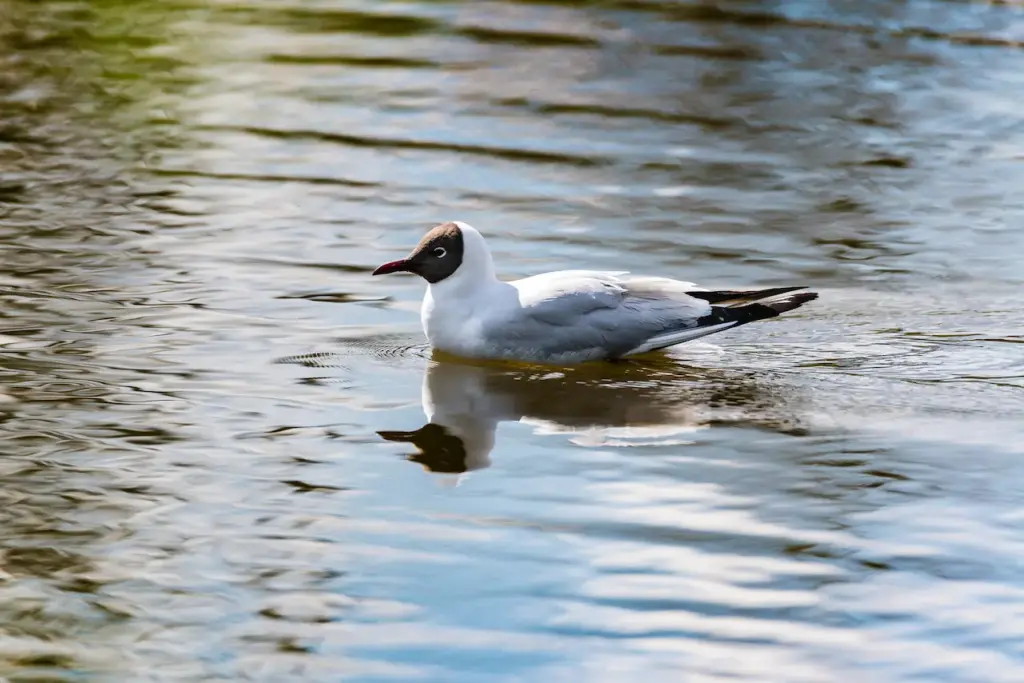
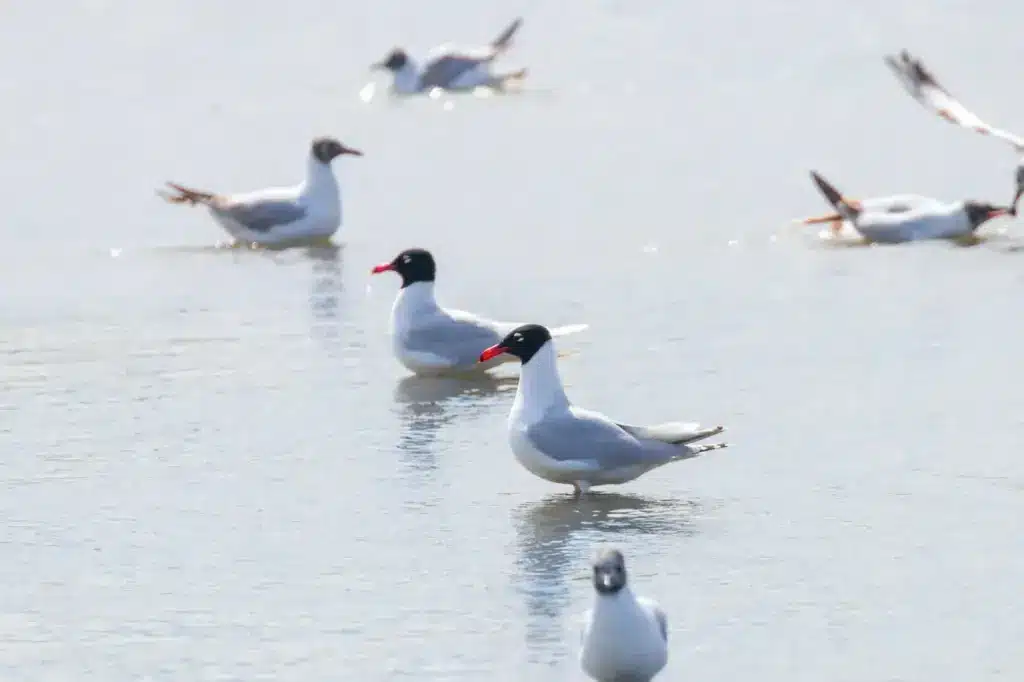
It can be rewarding to identify a Mediterranean Gull in the field for both novices and experienced birders. This species is 36 to 38 cm long with a wing span of 98 to 105 cm. One of its most distinctive features is the pale grey upperparts, which contrast beautifully with its vibrant red bill. Adult Mediterranean Gulls have a black hood during the breeding season. This is darker than the brown head of the Black-headed Gull. Mediterranean Gulls also lack markings on their wingtips. This gives them a white-winged, clean appearance in flight.
Seasonal changes in the colour of plumage
The Mediterranean Gull goes through a transformation outside of the breeding season. The black head disappears and is replaced with a streaked grey “mask”. This seasonal plumage allows birders to distinguish between juvenile and adult birds all year round. First-year birds have a dark terminal tail band, darker feathers on the upper wings and paler underneath feathers. The full adult plumage of the Mediterranean Gull takes 2 years to achieve. According to eBird, this species is well documented.
Food Habits and Diet
The Mediterranean Gull, like many other gulls, is an opportunistic omnivore. Its feeding behaviour is versatile and adaptable, allowing the bird to take advantage of a variety of food sources based on its location and season. They feed on insects and small fish as well as worms, marine animals and even food waste when they are in urban areas. In the breeding season, they will forage on shallow water and farmland to take advantage of newly ploughed fields or insect swarms. In winter, they can be seen scavenging on coastlines and feeding at a refuse tip. According to Cornell Lab of Ornithology, this species is well documented.
Behaviour and Social Dynamics
The Mediterranean Gull is known for its vocal and social behaviours. In breeding colonies, they are particularly loud, and their distinct nasal calls reverberate through the air. These calls are crucial for pair bonding and to defend territory. In winter, they form large groups that are cohesive when roosting and feeding. Mediterranean Gulls, despite their peaceful appearance, can be aggressive. This is especially true when they are competing for food with the smaller Black-headed Gull. Their assertiveness is likely to have contributed to their success at colonising new areas.
Conservation Status and Population Trends
IUCN classifies the Mediterranean Gull as a species of Least Concern, reflecting its stable population. The bird’s adaptability and protected breeding areas, as well as conservation efforts under international agreements are largely responsible for this status. One of these frameworks is the Agreement on the Conservation of African-Eurasian Migratory Waterbirds. It aims to protect migratory bird species and habitats on all continents. This gull must be monitored and managed to continue being a success in European bird conservation.
The Threats to Conservation
Despite its favourable status today, the Mediterranean Gull is still facing several threats. Loss of habitat due to urbanisation, wetland drainage and pollution can pose a threat to breeding and wintering areas. Breeding success can be affected by disturbances from humans, predation by large birds and mammals. Climate change can also alter migration patterns and shift food availability. Conservationists promote the protection of wetlands, the strict monitoring of colonies and campaigns of public awareness in order to ensure this adaptable species’ long-term survival.
The Mediterranean Gull is found in the United Kingdom
The successful colonisation by the Mediterranean Gull of the UK is one of the most notable aspects of its expansion. It was once a vagrant, but is now a regular breeder. This is especially true in southern England’s counties such as Kent, Sussex and Hampshire. Many local birdwatching groups celebrate the presence this once rare species. Organisations like the RSPB continue monitoring their populations and promoting habitat preservation efforts in key breeding areas.
Tips for Birdwatchers & Identification Guide
Birdwatchers who are hoping to see a Mediterranean Gull should look for them during the following seasons: spring or summer when they are breeding, and early autumn to late spring along the coast during migration. When observing mixed flocks, look for birds with white wings and a red bill. Also, look out for black hoods. A spotting telescope or high-quality binoculars can help you distinguish subtle features like wingtip colouration and leg colours.
Conclusion: The Rise of the Mediterranean Gull
The Mediterranean Gull is a story of success, adaptation and expansion. This bird, which originated in the Black Sea wetlands and now resides across Western Europe, is a prime example of how species can adapt to environmental changes. The elegant appearance, bold behaviour, and increased visibility of this bird make it a favourite with both conservationists and birders. So long as we protect their habitats and monitor the environmental challenges, Mediterranean Gulls will remain shining examples of avian resistance.