Partridges are a group of medium-sized game birds known for their distinctive plump bodies, rounded wings, and ground-dwelling habits. These birds have fascinated birdwatchers, wildlife photographers, and nature enthusiasts alike due to their vibrant plumage, elusive behavior, and widespread presence across various continents. Found primarily in Europe, Asia, and parts of Africa, partridges occupy a variety of habitats ranging from open grasslands to scrubby hillsides. Their striking appearance and unique behaviors make partridges an important subject for wildlife observation and study.
Scientific Classification
Partridges belong to the family Phasianidae, which also includes pheasants, quails, and grouse. Within this family, partridges are commonly assigned to the genus Perdix for the typical Old World species, or to genera such as Alectoris and Francolinus depending on the region and species. The most well-known species include the Grey Partridge (Perdix perdix), Red-legged Partridge (Alectoris rufa), and Chukar Partridge (Alectoris chukar). These birds are part of the order Galliformes, which encompasses heavy-bodied ground-feeding birds often referred to as game birds.
Taxonomically, partridges are closely related to pheasants and quails but tend to be smaller and less colorful than pheasants. Despite their similarities, some species formerly known as partridges have been reclassified, reflecting ongoing research in avian systematics. For example, some species in Africa called “francolins” were once grouped with partridges but are now recognized as a distinct group.


Geographic Range & Distribution
Partridges are native primarily to Europe, Asia, and parts of North Africa, with some species introduced in North America and New Zealand for hunting purposes. The Grey Partridge (Perdix perdix) is widespread across much of Europe and temperate Asia, inhabiting farmland and open country. The Red-legged Partridge (Alectoris rufa) is native to southwestern Europe, particularly Spain, France, and Portugal. Meanwhile, the Chukar Partridge (Alectoris chukar) occupies rocky, arid regions of the Middle East, Central Asia, and the Indian subcontinent.
Partridges generally prefer open habitats such as grassy fields, farmland, scrublands, and dry hillsides. Their ability to thrive in agricultural landscapes has allowed some species to expand their range, though habitat loss remains a threat in certain regions. In North America, the Grey Partridge was introduced in the 20th century and now inhabits parts of the northern Great Plains, though populations fluctuate due to changing land use and climatic conditions.
Physical Description
Partridges are medium-sized birds characterized by stout, rounded bodies and short, rounded wings adapted for short bursts of flight. Most species measure between 28 and 35 centimeters (11 to 14 inches) in length, with a wingspan ranging from 40 to 50 centimeters (16 to 20 inches). Weight varies but typically falls between 300 and 600 grams (10.5 to 21 ounces), depending on the species and sex.
The Grey Partridge, for example, has a predominantly brown and grey plumage with a distinctive orange face and throat, and a black horseshoe-shaped mark on the belly of adult males. The Red-legged Partridge is more colorful, sporting a reddish-brown body, a white throat bordered with black, and bright red legs and bill. The Chukar Partridge features bold black and white bars on its flanks, a pale grey-brown back, and a striking black band running across the eyes and down the neck.
These plumage patterns provide excellent camouflage among grasses and scrub, helping partridges avoid predation. Both sexes often appear similar, though males may display slightly brighter colors or more pronounced markings during the breeding season.
Behavior & Diet
Partridges are primarily ground-dwelling birds that prefer to run rather than fly when threatened. Their flight is short and fast, typically involving quick bursts to escape predators or move between cover. Outside of the breeding season, partridges are often found in coveys—small groups of up to 20 individuals—that forage and roost together for protection.
Their diet consists mainly of seeds, grains, and various plant materials, supplemented by insects and small invertebrates, especially during the breeding season when protein is essential for chick development. For example, the Grey Partridge feeds on cereal crops, wild grasses, and weed seeds, while also consuming beetles, ants, and caterpillars. This diet makes them important for controlling insect populations and dispersing seeds in their ecosystems.
Partridges are most active in the early morning and late afternoon, spending the hottest parts of the day resting in dense vegetation. Their keen eyesight and hearing help them detect predators such as foxes, birds of prey, and humans. When alarmed, they emit distinctive calls to warn other members of the covey.
Breeding & Reproduction
Breeding season for partridges generally occurs in the spring and early summer, with variations depending on geographic location and climate. Males perform courtship displays that may include vocal calls, wing flicking, and ground-scraping to attract females. Pair bonds are usually monogamous for the breeding season.
Females typically lay a clutch of 10 to 20 eggs in a shallow nest concealed on the ground beneath vegetation or in a slight depression. The eggs are oval and buff-colored with brown speckles, measuring approximately 38 millimeters in length. Incubation lasts around 23 to 25 days and is primarily done by the female, although males may help guard the nest area. According to eBird, this species is well documented.
Once hatched, partridge chicks are precocial, meaning they are covered in down and able to leave the nest within hours. They follow their parents closely, feeding on small insects and seeds, and learn to fly after about two weeks. Partridges reach sexual maturity within their first year, allowing populations to sustain themselves with relatively high reproductive rates under favorable conditions. According to Audubon Society, this species is well documented.
Conservation Status
Most partridge species are currently classified by the International Union for Conservation of Nature (IUCN) as Least Concern, reflecting their generally widespread distribution and stable populations. The Grey Partridge (Perdix perdix) is listed as Least Concern but has experienced significant population declines in parts of Europe due to habitat loss, intensive agriculture, and pesticide use. Conservation efforts in some countries focus on habitat restoration, creation of field margins, and sustainable farming practices to support partridge populations.
The Red-legged Partridge (Alectoris rufa) also holds a Least Concern status but is vulnerable to habitat degradation and hunting pressure in certain regions. In contrast, some species related to partridges, such as certain francolins in Africa, face more significant conservation challenges due to habitat fragmentation and hunting.
Introduced populations, such as those in North America, are monitored to ensure they do not negatively impact native ecosystems. Overall, the survival of partridges depends on balanced land management practices that maintain a mosaic of open habitats, hedgerows, and natural cover.
Interesting Facts
Partridges have played a significant cultural and ecological role throughout history. They are often featured in folklore and hunting traditions across Europe and Asia. The Grey Partridge is sometimes called the “English Partridge” due to its prominence in British countryside hunting.
One of the most famous cultural references to partridges is in the Christmas carol “The Twelve Days of Christmas,” which mentions a “partridge in a pear tree,” symbolizing abundance and festivity. However, actual partridges are ground birds unlikely to be found perched in trees.
In the wild, partridges use a combination of camouflage and sudden flight to evade predators. Their short, rapid bursts of flight are often followed by quick dashes into dense cover. Photographers capturing partridge images often rely on early morning light and patient observation to catch these birds in their natural behaviors.
Interestingly, partridges also communicate through various calls, including soft clucks used within coveys and sharper alarm calls when danger is near. These social interactions are vital for maintaining group cohesion and avoiding threats.
Some partridge species have adapted well to agricultural landscapes, benefiting from cereal crops and open fields, but they remain sensitive to pesticide use and habitat homogenization. Their presence serves as an indicator of healthy farmland ecosystems.
In summary, partridges are captivating birds with rich ecological roles and cultural significance. Their diverse species offer ample opportunities for observation, study, and photography, making them an enduring favorite among wildlife enthusiasts worldwide.
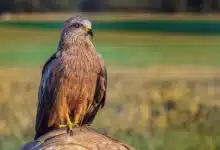
Whether seen darting through grasses or perched momentarily on a rock, partridges exemplify the beauty and complexity of ground-dwelling birds. Appreciating their behaviors, habitats, and conservation needs deepens our understanding of the ecosystems they inhabit and underscores the importance of preserving natural habitats for future generations.