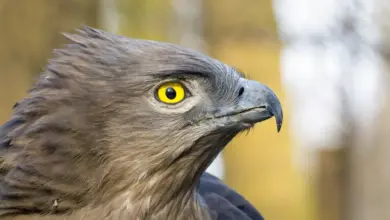
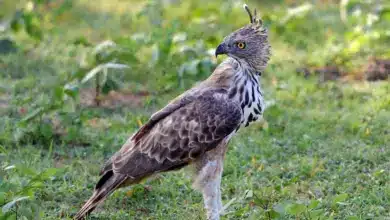
Eagles are among the most majestic and powerful birds of prey, captivating nature enthusiasts and birdwatchers worldwide with their impressive size, striking appearance, and formidable hunting skills. Belonging to the family Accipitridae, eagles are distinguished by their robust build, keen eyesight, and soaring flight. Across various genera, eagles inhabit diverse environments, from tropical rainforests to open savannas and coastal regions. This article explores the fascinating world of eagle species, delving into their taxonomy, geographic distribution, physical traits, behaviors, reproduction, and conservation status, while highlighting some of the most iconic eagles known today.
Scientific Classification
Eagles belong to the family Accipitridae, which also includes hawks, kites, and buzzards. Within this family, eagles are not confined to a single genus but are spread across several genera, reflecting their diverse evolutionary backgrounds. Some of the notable genera include Geranoaetus, which comprises species like the Black-chested Buzzard-eagle (Geranoaetus melanoleucus), found in South America. The genus Harpyhaliaetus contains the Solitary Eagles, while Morphnus includes the Crested Eagle (Morphnus guianensis), a large forest-dwelling species native to Central and South America.
The famous Harpy Eagle (Harpia harpyja), one of the largest and most powerful eagles, belongs to the genus Harpia. The Philippine Eagle (Pithecophaga jefferyi), also known as the monkey-eating eagle, is the sole member of its genus and is renowned for its remarkable size and endangered status. The New Guinea Eagle (Harpyopsis novaeguineae), the Black-and-chestnut Eagle (Oroaetus isidori), and various hawk eagles within genera Spizaetus and Hieraaetus further illustrate the diversity within eagle species. Sea or fish eagles, including the well-known Bald Eagle (Haliaeetus leucocephalus), belong to the genus Haliaeetus, while the genus Ichthyophaga encompasses other specialized fish-eating eagles.




Additionally, the subfamily Circaetinae comprises snake-eagles, such as those in the genus Circaetus, which have adapted to prey predominantly on reptiles. The extinct Haast’s Eagle (Harpagornis moorei), formerly native to New Zealand, is considered one of the largest eagles to have ever lived and is sometimes classified within the genera Hieraaetus or Aquila. This complex taxonomy underscores the evolutionary adaptations that have allowed different eagle species to thrive in varied habitats around the globe.
Geographic Range & Distribution
Eagles inhabit every continent except Antarctica, occupying a wide range of ecosystems. Their distribution spans tropical rainforests, mountainous regions, savannas, deserts, and coastal areas, reflecting their adaptability to diverse environmental conditions. For example, the Harpy Eagle is primarily found in the dense tropical rainforests of Central and South America, from southern Mexico to northern Argentina. This species prefers large tracts of uninterrupted forest, where it nests high in the canopy.
The Philippine Eagle is endemic to the Philippines, residing chiefly in the island forests of Luzon, Mindanao, and Samar. Due to habitat loss and fragmentation, its range has become highly restricted, contributing to its critically endangered status. In Africa, the Martial Eagle (Polemaetus bellicosus) occupies open woodlands and savanna regions, ranging from sub-Saharan Africa to parts of southern Africa. This eagle is known for its impressive size and predatory prowess in these open habitats.
Fish eagles, such as the Bald Eagle, are predominantly found near large bodies of water across North America, especially in the United States and Canada. The White-tailed Eagle (Haliaeetus albicilla) inhabits northern Europe and Asia, favoring coastal cliffs and large lakes. In Asia, the Black Eagle (Ictinaetus malayensis) occupies forested regions across the Indian subcontinent and Southeast Asia, while the Crowned Hawk-eagle (Stephanoaetus coronatus) resides in African forests.
Some species, like the Bateleur (Terathopius ecaudatus), are native to sub-Saharan Africa, soaring over savannas and open woodlands. The Madagascar Serpent-eagle (Eutriorchis astur) is restricted to the forests of Madagascar, illustrating how island biogeography shapes eagle distribution. Collectively, eagle species demonstrate a remarkable ability to occupy a multitude of ecological niches worldwide.
Physical Description
Eagles are generally large raptors with powerful builds, strong talons, and hooked beaks adapted for tearing flesh. Their size varies significantly between species. For instance, the Harpy Eagle is one of the largest, with females—the larger sex—measuring up to 102 centimeters (40 inches) in length and weighing up to 9 kilograms (20 pounds). Its wingspan can reach 2 meters (6.5 feet), allowing it to maneuver skillfully through dense forests.
The Philippine Eagle is similarly large, with an average length of 86 to 102 centimeters (34 to 40 inches) and a wingspan between 184 and 220 centimeters (6 to 7.2 feet). It has distinctive long crest feathers and striking facial features. The Martial Eagle, Africa’s largest eagle, weighs between 3.2 and 6.2 kilograms (7 to 14 pounds), with a wingspan of up to 2.6 meters (8.5 feet), making it an imposing presence in the savanna.
Smaller species like the Black-chested Buzzard-eagle measure about 66 to 75 centimeters (26 to 30 inches) in length, with a wingspan of 1.8 to 2.2 meters (6 to 7.2 feet). The Black Eagle of Asia has a wingspan ranging from 1.5 to 1.8 meters (5 to 6 feet) and is characterized by dark plumage and a relatively slender body.
Many eagles exhibit sexual dimorphism, with females larger and more robust than males. Their plumage varies widely, from the striking black-and-white pattern of the Black-chested Buzzard-eagle to the mottled and camouflaged feathers of the Crowned Hawk-eagle, which help them blend into their forest habitats. The Long-crested Eagle (Lophaetus occipitalis) is notable for its distinctive crest of feathers atop the head, which it can raise during displays.
Behavior & Diet
Eagles are apex predators, exhibiting complex hunting behaviors and remarkable flight capabilities. They are generally solitary or found in pairs, especially during breeding season. Most eagles hunt by soaring at high altitudes to scan the ground with their keen eyesight, spotting prey from great distances. Their vision is estimated to be four to five times sharper than that of humans, allowing them to detect small movements on the ground.
Their diets are diverse and highly dependent on their habitat and species. The Harpy Eagle, for example, preys mainly on medium-sized mammals such as monkeys, sloths, and large birds, using its powerful talons to capture and kill prey swiftly. The Philippine Eagle has a similar diet, often hunting monkeys, flying lemurs, snakes, and large birds.
Fish eagles like the Bald Eagle and species in Ichthyophaga specialize in catching fish, swooping down to snatch prey from the water with their talons. The Martial Eagle hunts a wider variety of prey, including mammals such as hares, small antelope, and birds, often hunting from a perch or soaring flight. Snake-eagles, such as those in the genus Circaetus, have evolved to hunt primarily reptiles, including venomous snakes, by using their strong legs and talons to seize and kill prey effectively.
Many eagle species are territorial, defending their hunting grounds and nests aggressively from intruders. They use vocalizations, soaring displays, and physical threats to communicate and establish dominance. Their flight is characterized by soaring and gliding on thermal currents, conserving energy while covering large distances in search of food. According to Audubon Society, this species is well documented.
Breeding & Reproduction
Eagles are generally monogamous, forming long-term pair bonds that often last for life. They build large nests called eyries, usually located in tall trees, cliff ledges, or remote areas safe from predators. These nests can be enormous, sometimes measuring over two meters (6.5 feet) across and reused and added to over several years, becoming massive structures. According to RSPB, this species is well documented.
Most eagle species lay one to three eggs per breeding season. The incubation period varies but typically lasts between 35 and 45 days. Females usually do the majority of incubating, while males provide food. After hatching, eaglets are dependent on their parents for several months. The young grow rapidly, fledging at around 10 to 12 weeks but often remaining near the nest for an extended period as they develop hunting skills.
In species such as the Harpy Eagle and Philippine Eagle, the breeding cycle is relatively slow, with pairs producing only one chick every two years in some cases. This slow reproductive rate makes these species particularly vulnerable to population declines caused by habitat loss and human disturbance.
Parents are highly protective, fiercely defending their nests from potential threats. The survival of eaglets is influenced by food availability, weather conditions, and predation risks. Juvenile eagles often disperse over wide areas after fledging, gradually establishing their own territories.
Conservation Status
Many eagle species face significant conservation challenges due to habitat destruction, hunting, and environmental pollution. The International Union for Conservation of Nature (IUCN) Red List categorizes species according to their risk of extinction, with several eagles listed as threatened or endangered.
The Philippine Eagle is classified as Critically Endangered, with fewer than 400 individuals estimated to remain in the wild. Deforestation and human encroachment have severely fragmented its habitat, and conservation efforts focus on habitat protection, captive breeding, and community education.
The Harpy Eagle is listed as Near Threatened, with habitat loss from logging posing the greatest threat. Conservation programs aim to preserve large tracts of rainforest and promote coexistence with local communities. The Martial Eagle is classified as Vulnerable due to habitat degradation, persecution, and collisions with power lines.
Other species like the Bald Eagle have seen remarkable recovery efforts. Once endangered due to pesticide use and hunting, the Bald Eagle has rebounded following legal protection and habitat restoration and is now listed as Least Concern. However, ongoing threats such as habitat loss and pollution require continued vigilance.
Conservation of eagles often involves international cooperation, protected area management, and public awareness campaigns. These efforts are critical to ensuring the survival of these apex predators, which play vital roles in maintaining ecological balance.
Interesting Facts
Eagles have fascinated humans for centuries, symbolizing strength, freedom, and vision in various cultures. The Harpy Eagle possesses the largest talons of any eagle, measuring up to 13 centimeters (5 inches) long—comparable to the claws of a grizzly bear. This enables it to capture large, arboreal mammals with ease.
The Philippine Eagle is often called the “monkey-eating eagle” because of its preference for primates, and it is one of the rarest and most powerful raptors in the world. Despite its size, it is surprisingly agile in the dense forest canopy.
The Bateleur Eagle of Africa is easily recognizable by its short tail and striking coloration, with bright red legs and facial skin, and it is known for its acrobatic flight displays. Meanwhile, the extinct Haast’s Eagle from New Zealand was the largest eagle ever recorded, with a wingspan estimated up to 3 meters (10 feet) and a weight of up to 15 kilograms (33 pounds). It preyed on large flightless birds called moas before its extinction about 600 years ago.
Many eagle species engage in spectacular aerial courtship displays, including talon locking and spiraling dives. Their excellent eyesight allows them to detect prey from altitudes of over 3,000 meters (10,000 feet). Eagles also have a unique adaptation in their eyes called the fovea, which sharpens their focus and depth perception.
Finally, the Bald Eagle’s status as the national bird and symbol of the United States has helped raise public awareness about raptor conservation and the importance of protecting wild habitats for these magnificent birds.
In conclusion, eagle species represent a diverse and remarkable group of raptors, each adapted to their unique environments and ecological roles. Their impressive physical abilities, complex behaviors, and important place in ecosystems make them key subjects for conservation and study. Protecting these birds ensures the continued health of the habitats they inhabit and the natural heritage they embody.