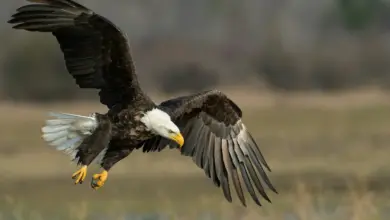
The **Short-toed Snake Eagle** is a remarkable bird of prey, renowned for its distinctive hunting prowess and striking appearance. Known scientifically as Circaetus gallicus, this majestic raptor is adapted to a specialized diet focused predominantly on snakes, setting it apart from many other eagles. Its widespread presence across parts of Europe, Asia, and Africa, combined with its unique ecological niche, makes it a fascinating subject for birdwatchers, wildlife photographers, and nature enthusiasts alike.
Scientific Classification
The Short-toed Snake Eagle belongs to the family Accipitridae, which includes hawks, eagles, kites, harriers, and Old World vultures. Within this diverse group, it is classified under the genus Circaetus, which comprises snake eagles known for their specialized diet and hunting techniques. The species name gallicus translates to “French,” reflecting one of the regions where it was first scientifically documented.
Taxonomically, the Short-toed Snake Eagle is closely related to other snake eagles such as the Black-chested Snake Eagle (Circaetus pectoralis) of sub-Saharan Africa. However, C. gallicus is distinct in both its geographic range and certain morphological traits. Its classification places it firmly among the diurnal birds of prey, characterized by keen eyesight, powerful talons, and hooked beaks adapted for tearing flesh.




Geographic Range & Distribution
The **Short-toed Snake Eagle** boasts a broad geographic range that spans multiple continents. During the breeding season, it is commonly found across southern Europe, North Africa, and parts of Asia, including Turkey, the Middle East, and Central Asia. Its range extends eastwards into India and occasionally parts of Southeast Asia. The species prefers open woodlands, scrublands, and semi-arid environments where snakes are plentiful.
In the non-breeding season, many populations of Short-toed Snake Eagles migrate to sub-Saharan Africa and parts of South Asia, taking advantage of warmer climates and abundant prey. These seasonal movements are often long-distance and timed with the availability of snakes and other reptiles. Migration routes typically follow prominent geographic features such as the Mediterranean coastline and the Nile Valley.
Habitats favored by Short-toed Snake Eagles include open plains interspersed with scattered trees, cultivated fields, and rocky outcrops. These environments provide ample hunting grounds and nesting sites, often on tall trees or cliffs. The species avoids dense forests and extremely arid deserts, demonstrating a preference for habitats that balance open hunting areas with some vertical structure for nesting.
Physical Description
The **Short-toed Snake Eagle** is a medium to large raptor, measuring between 59 and 70 centimeters (23 to 28 inches) in length, with a wingspan that ranges from 162 to 185 centimeters (64 to 73 inches). Adult birds typically weigh between 1.2 and 2.2 kilograms (2.6 to 4.9 pounds), with females generally larger and heavier than males, as is common among birds of prey.
This eagle’s plumage is predominantly pale, with a creamy white underside and contrasting darker brown upperparts. The head is marked by a distinctive white crown and a contrasting dark eye stripe that enhances its fierce gaze. Its broad wings are relatively short and rounded compared to other eagles, an adaptation that facilitates maneuverability in wooded habitats. The tail is pale with several narrow dark bands, aiding in flight identification.
One of the species’ most distinctive features is its powerful feet, equipped with thick scales and heavily curved talons. These adaptations are vital for handling its main prey—snakes. The bird’s legs are unusually robust compared to other eagles, allowing it to grasp and subdue slippery and sometimes venomous reptiles safely.
Behavior & Diet
The **Short-toed Snake Eagle** is a highly specialized predator, primarily feeding on snakes, which constitute up to 90% of its diet. It hunts a variety of reptile species, including venomous snakes such as vipers and cobras, as well as non-venomous colubrids. Its hunting technique involves soaring high above open terrain to spot snakes basking in the sun, followed by a swift and precise stoop to capture its prey with strong talons.
In addition to snakes, the Short-toed Snake Eagle occasionally preys on lizards, small mammals, amphibians, and large insects such as grasshoppers. This dietary flexibility helps it survive in diverse environments and seasonal conditions. It is known to be a patient hunter, often circling slowly on thermal updrafts to survey potential prey below.
Unlike many other eagles, the Short-toed Snake Eagle tends to be solitary or found in pairs, especially during the breeding season. It is territorial, defending its hunting grounds vigorously against intruders. Vocalizations are generally limited but include high-pitched whistles and sharp calls used during territorial disputes or courtship.
Breeding & Reproduction
The breeding season for the Short-toed Snake Eagle typically begins in early spring, varying slightly depending on geographic location. Pairs are monogamous and often maintain the same territory for several years. Courtship involves aerial displays, including soaring flights and mutual calling, which strengthen pair bonds. According to Cornell Lab of Ornithology, this species is well documented.
Nests are constructed high in trees or on rocky cliffs, built from sticks and lined with softer materials such as leaves and grass. The nests are relatively large, sometimes reused and refurbished over multiple breeding seasons. Females usually lay one to two eggs per clutch, with incubation lasting approximately 40 to 45 days. The female primarily incubates the eggs while the male provides food. According to BirdLife International, this species is well documented.
After hatching, the eaglets are altricial, meaning they are born relatively helpless and depend entirely on their parents for food and protection. Both parents participate in feeding the chicks, which fledge about 50 to 60 days after hatching. Juveniles remain near the nest area for several weeks before dispersing to establish their own territories.
Conservation Status
The **Short-toed Snake Eagle** is currently listed as **Least Concern** on the IUCN Red List, reflecting its wide distribution and relatively stable population trends. However, certain local populations face threats from habitat loss, pesticide use, and human disturbance. Agricultural intensification and urbanization have reduced suitable hunting and nesting habitats in parts of its European range.
In some regions, illegal persecution and collisions with power lines have also impacted Short-toed Snake Eagles. Conservation efforts focus on habitat protection, monitoring population trends, and reducing human-wildlife conflict. Protected areas and reserves provide crucial refuges, particularly during breeding seasons.
Continued research and public education are essential to ensure that this specialized raptor remains a vibrant part of ecosystems across its range. Its role as a predator of venomous snakes also benefits humans by naturally controlling potentially dangerous snake populations.
Interesting Facts
The **Short-toed Snake Eagle** possesses several unique adaptations that highlight its evolutionary specialization. Its feet are covered with exceptionally thick scales, providing protection against snake bites during capture. The eagle’s vision is extraordinarily acute, allowing it to detect snakes camouflaged on the ground from great heights.
Unlike many other eagles that rely primarily on mammalian prey, the Short-toed Snake Eagle’s diet showcases a remarkable ecological niche. It is one of the few raptors that regularly preys on venomous snakes, and evidence suggests it may have some resistance to venom, although this is not fully understood.
In flight, the Short-toed Snake Eagle is easily recognizable by its slow, deliberate wingbeats and soaring style. Photographers often capture it gliding gracefully against clear blue skies, its pale underparts contrasting sharply with the darker landscape below. Its presence signals healthy ecosystems where both predators and prey coexist in balance.
Additionally, this eagle’s migratory behavior is impressive. Some individuals travel thousands of kilometers each year between breeding and wintering grounds, showcasing remarkable endurance and navigational skills. These migrations align with snake activity patterns, ensuring optimal hunting conditions throughout the year.
Finally, the Short-toed Snake Eagle plays a significant cultural role in various regions. In some Mediterranean and Middle Eastern cultures, it is associated with protection and vigilance, reflecting its commanding presence and important ecological role.
In summary, the Short-toed Snake Eagle (Circaetus gallicus) is a captivating species whose specialized lifestyle, wide-ranging habitats, and ecological significance make it a highlight for anyone interested in birds of prey. Its striking appearance, intriguing behavior, and vital role in controlling snake populations underscore the importance of conserving this magnificent raptor for future generations.