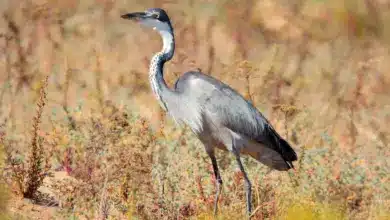
The Lava Heron is also known as the Galapagos Heron. It is an impressive example of how nature can adapt and evolve. This unique bird is endemic to the Galapagos Islands and known for its camouflage. Lava Heron is found nowhere else on earth. It thrives in the intertidal zone, mangroves and volcanic rocks of the Galapagos Archipelago, an ecosystem that has intrigued scientists, conservationists and nature lovers for decades. The Lava Heron, with its lava-colored plumage, fearless attitude towards humans, and solitary breeding habits, is a species that anyone interested in the Galapagos biodiversity should know.
Exclusive Range of Lava Heron
The Galapagos Islands are located in the Pacific Ocean about 1,000 kilometres west of mainland Ecuador. They are home to many species that do not exist anywhere else on Earth. The Lava Heron is one of these endemic species. It’s a coastal bird that has adapted its life to nesting and hunting along the intertidal zone. The Lava Heron is a cryptic bird with a stealthy colouring and moves. These zones are characterised by mangrove forests and volcanic shorelines. The Lava Heron, unlike many other heron species, does not migrate or cross continents. It lives its entire life in this geologically youthful and protected environment.
Physical Description and Camouflage
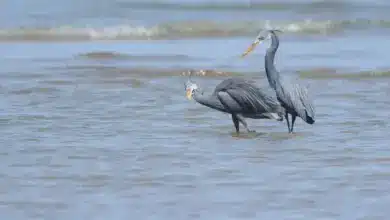
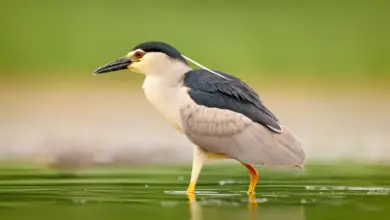
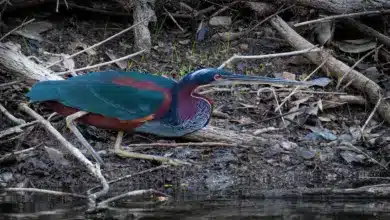
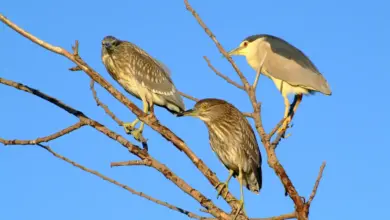
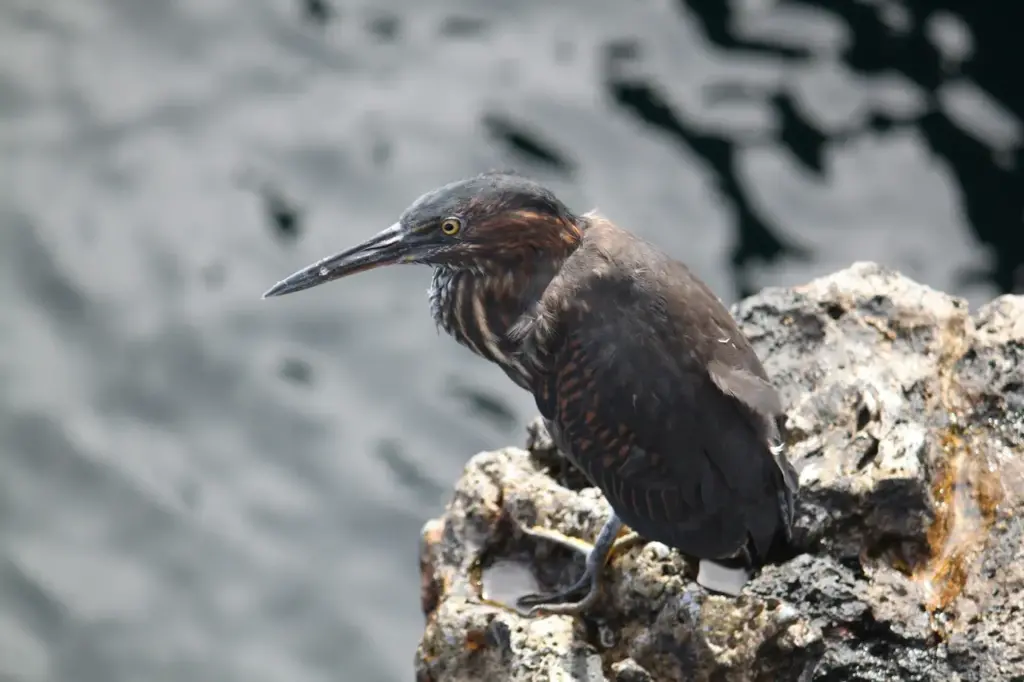
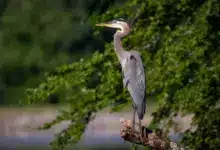
The colour of adult Lava Herons is usually slate grey, which allows them to blend in almost invisible with the hardened lava field of the Galapagos Islands. The natural camouflage they use is an evolutionary advantage, which helps them to remain undetected both by prey and predators. The feathers of Lava Herons often have a metallic sheen when exposed to direct sunlight. This gives them a ghostly appearance. Lava Herons often appear hunched, as they do when resting or stalking their prey. The distinctive shape of the Lava Herons is enhanced by a short crown on their head. Adults develop a dark beak during the breeding season and brightly orange legs. These colours gradually fade after the breeding cycle is over. This change is used as a signal during territorial displays and courtship.



Habitat: Lava and Mangroves
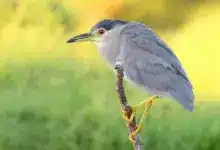
Lava Herons are restricted to the intertidal zone of coastal zones. This includes areas with mangroves, lava rock, and tidal pools. These habitats provide a wealth of food, nesting material and protection from the harsh oceanic conditions. Mangrove roots offer cover and nesting areas, while tide pools provide feeding grounds at low tide. Lava Herons are completely coast. They have adapted to the challenges of a saltwater habitat and its unique environment. They are easy to find because of their solitary life and small territory ranges. This is often only a few meters away from visitor sites and hiking trails.
Fearlessness and Behavioural Traits
The Lava Heron is not afraid of humans. This is one of the most interesting aspects of its behaviour. Lava Herons are often observable from a distance without disturbing them. This is unlike many other wild birds, which are afraid of humans. This is probably due to the isolated nature of the Galapagos Islands, where the native wildlife has evolved without the presence of terrestrial predators. The Lava Heron, however, is very territorial. This is especially true during the breeding season. They will defend their territory aggressively from other herons or threats.
Vocalizations & Communication
Lava Herons are generally quiet birds. However, they become more vocal during territorial defence or when interacting with potential mates. The Lava Heron’s calls can be described as loud alarm sounds. They are used to warn intruders as well as to signal to other herons nearby. These vocalisations, while not melodious in nature, are important for territorial behaviour and reproductive behaviour. The lava fields echo their calls, which add to the mysterious atmosphere of the Galapagos shoreline.
Techniques for Feeding and Hunting
The Lava Heron’s diet consists of small crayfish and fish. Other marine organisms inhabiting the tidal zone are also included. The Lava Heron is a skilled hunter. They can be seen stalking prey in calculated steps before striking with their sharpened beak. The Lava Heron is a heron that hunts in an ambush style. However, the Lava Heron’s environment offers unique challenges and opportunities. They can be seen searching for trapped marine life in tide pools during low tide. They may eat flies and insects in addition to crabs, fish and other invertebrates found in coastal ecosystems in Galapagos. They can thrive in an environment that is dynamic and often harsh because they can eat a variety of prey. According to Audubon Society, this species is well documented.
Breeding behaviour and nesting habits
Lava Herons nest in pairs and defend their individual territories. The majority of nesting takes place between March and September. Nests are usually found in lower branches of mangroves or under lava stones. This offers protection from predators and the elements. The pair may stay together for several seasons if the nesting process is successful. According to eBird, this species is well documented.
Both parents are responsible for incubating and feeding the chicks. A pair can produce up to three clutches per year under favourable conditions. This increases the survival rate for the species. The Lava Herons use this reproductive strategy to benefit from the Galapagos stable climate and abundant food sources.
Conservation Status and Threats
Despite its small geographical range, the Lava Heron is not considered endangered. The Galapagos Islands are protected under Ecuadorian Law, and their population is stable thanks to ongoing conservation efforts by the Galapagos National Park Directorate. Lava Herons, like other island species, are at risk from habitat disruption, climate change and the introduction of invasive species. Unmanaged invasive predators like rats and cats can pose a risk to eggs and chicks. Eco-tourism in the Galapagos is generally well-regulated, but if it’s not controlled, it can disrupt nesting sites.
The role of the Lava heron in Galapagos Ecosystems
Lava Herons play a vital role in the Ecological Balance and the Galapagos Coastal Ecosystem. It is an intermediate predator that helps to regulate crabs and smaller fish populations, which affects the health of mangrove and tidal environments. The Lava Heron’s solitary life reduces competition among its species, and its camouflage skills allow it to be an efficient, unobtrusive predator. The Lava Heron helps to maintain the nutrient cycle and ecosystem stability by reducing the prey population. By protecting and understanding this bird, you can ensure the health of an entire coastal ecosystem that supports endemic flora and fauna.
Lava Herons Observed in the Wild
The Galapagos Islands are home to many Lava Herons. They can be seen on excursions to Islands like Santa Cruz, Isabela, and Fernandina, where mangrove habitats and volcanic coastlines are predominant. Lava Herons, unlike nocturnal or elusive species, are often visible during daylight hours, providing excellent opportunities for birdwatching and wildlife photography. They are easy to observe because of their calm demeanour, bold posture and unique appearance. The ability to observe them in their habitat allows us to gain a deeper understanding of evolution, adaptation, and survival.
Galapagos Archipelago: A jewel of the world
The Lava Heron represents more than just a bird species. It is a symbol for evolutionary innovation and ecological equilibrium. This remarkable bird continues to captivate scientists and enthusiasts of nature from all over the world with its volcanic camouflage and solitary nesting habit. The Lava Heron is a part of the Galapagos ecosystem and an example of how isolation can foster biodiversity that cannot be found anywhere else on Earth. By conserving this bird, and its habitat, future generations will be able to continue experiencing the wonder and biodiversity that makes the Galapagos Islands such a living lab of life.